2025 — 2026
Knowledge Transmission, Documentation, and Archiving Through Practice
Curatorial Framework
The Practitioners Programme emerges from SAVVY Kwata’s sustained engagement with questions of knowledge production, transmission, memory, and cultural continuity. Engaging in broader conversations around community-based knowledge systems and alternative epistemologies, the programme investigates how knowledge is generated, embodied, and circulated through practice.
Against dominant models that privilege institutional, textual, and formally codified forms of knowledge, the programme proposes practice as a critical site of learning and intellectual production. It recognises that across African societies, complex systems of knowledge have historically been cultivated through observation, apprenticeship, participation, oral transmission, collective labour, and everyday engagement with materials, environments, and social relations. These forms of knowing have produced sophisticated understandings of ecology, architecture, agriculture, craftsmanship, healing, governance, and cultural expression. Yet they often remain marginalised within conventional educational and archival infrastructures.
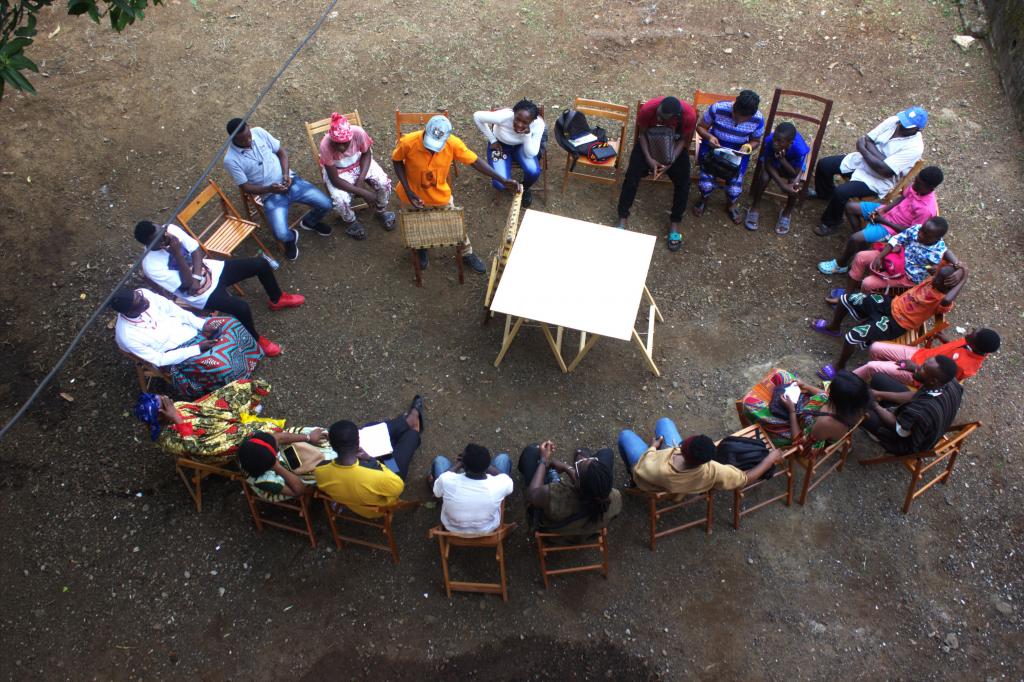
The programme therefore seeks to create spaces of encounter between practitioners, researchers, artists, students, and communities, positioning practitioners not as passive custodians of tradition but as active producers of knowledge whose practices continue to shape contemporary cultural, social, and ecological realities.
Practice as Epistemology
At the core of the programme is an understanding of practice as a form of knowledge in its own right. Rather than conceiving transmission as a linear movement of information from one generation to another, the programme approaches knowledge as relational, situated, and continually renewed through engagement.
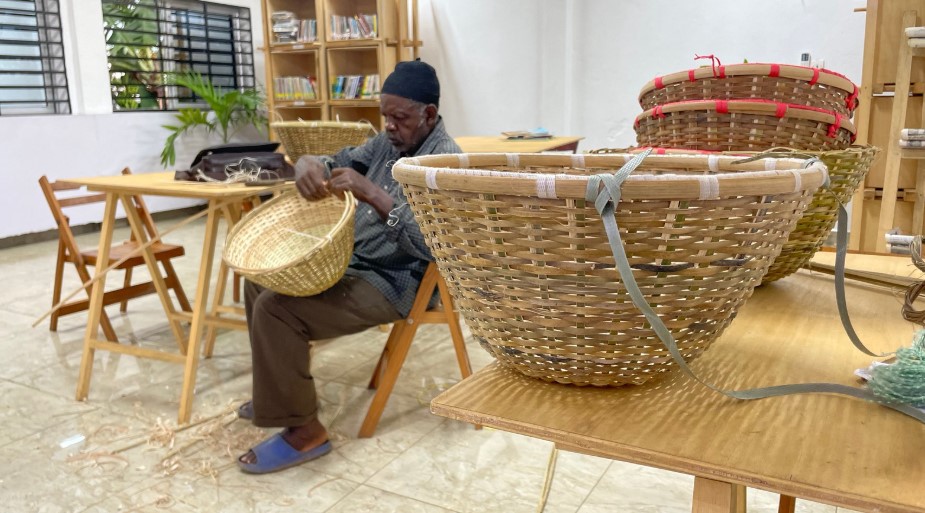
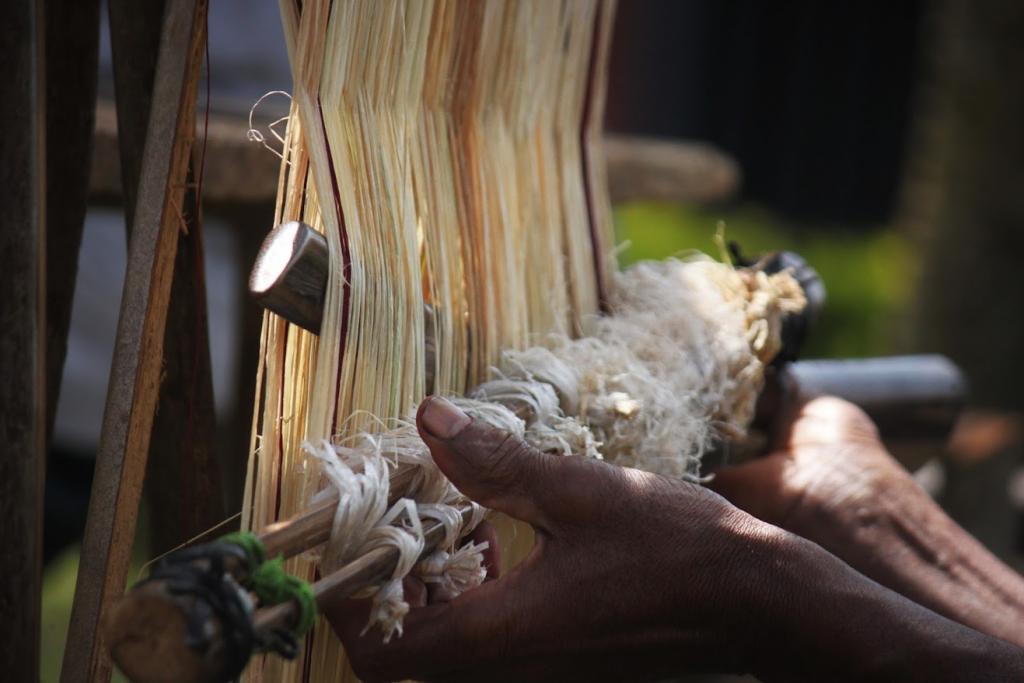
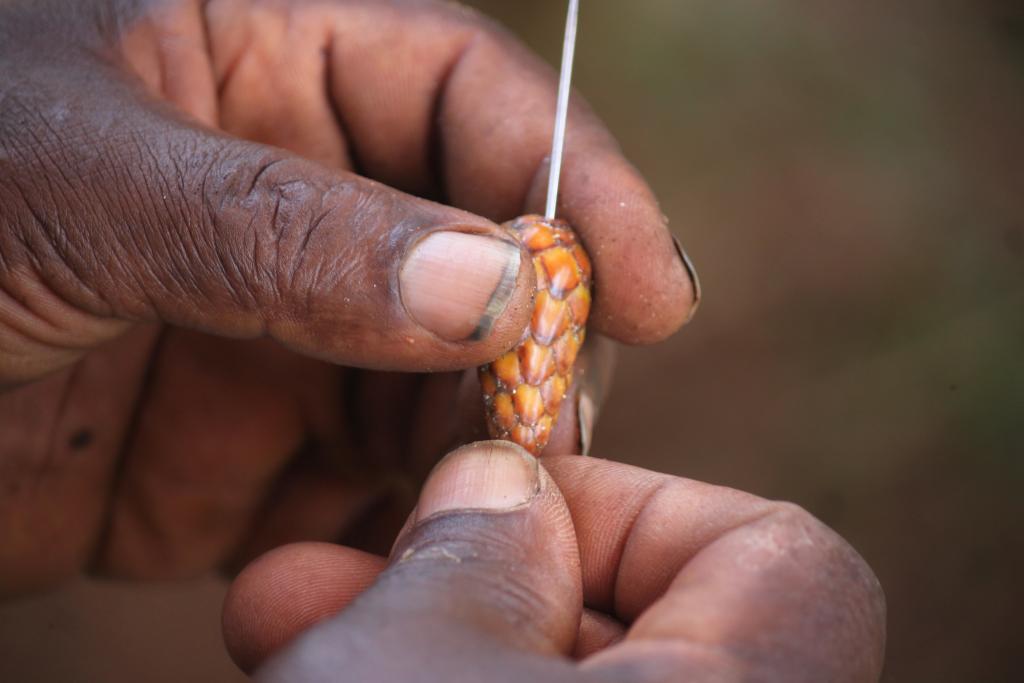
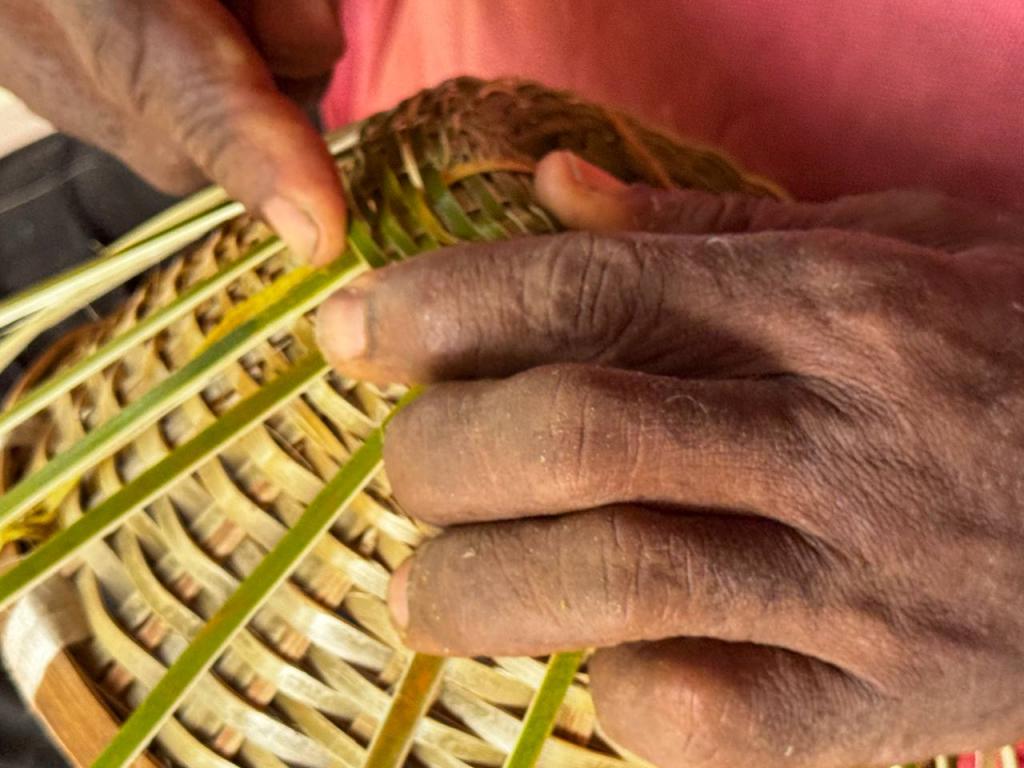
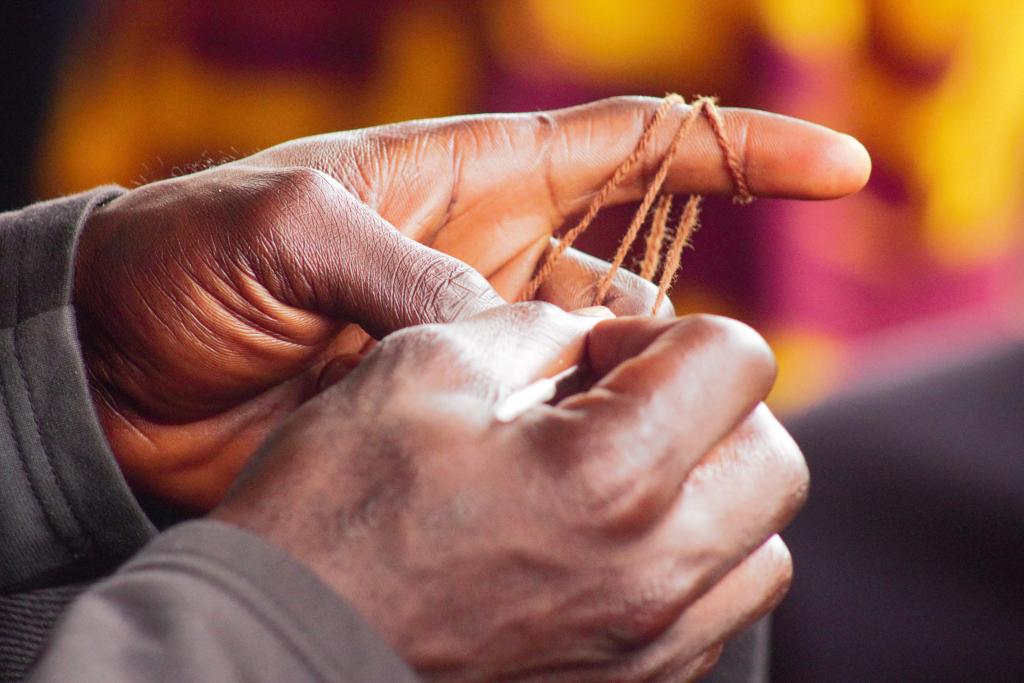
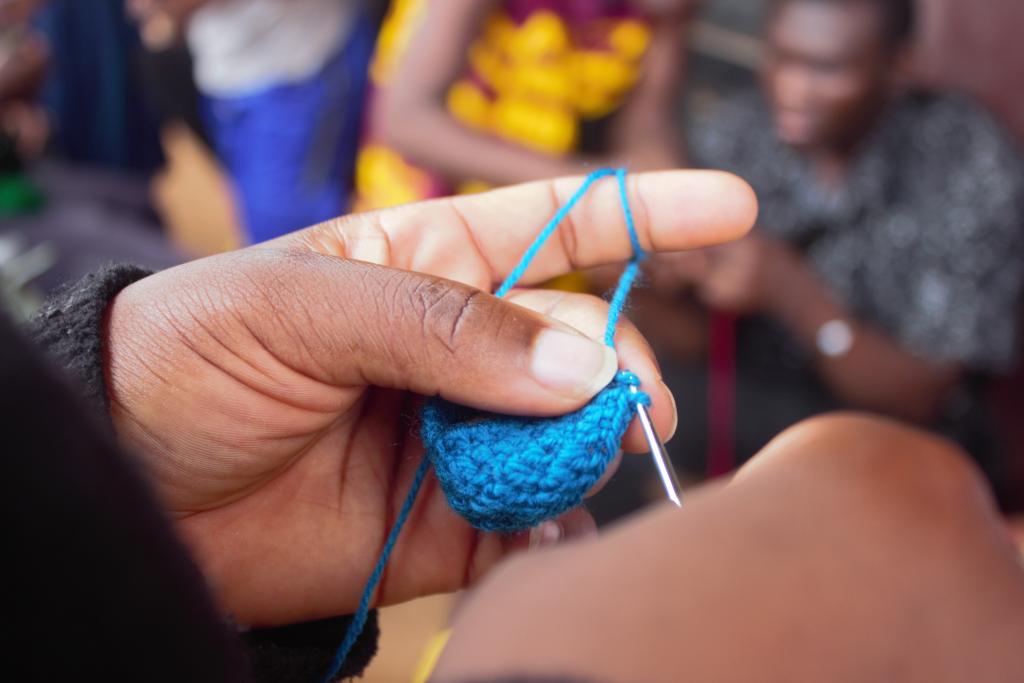
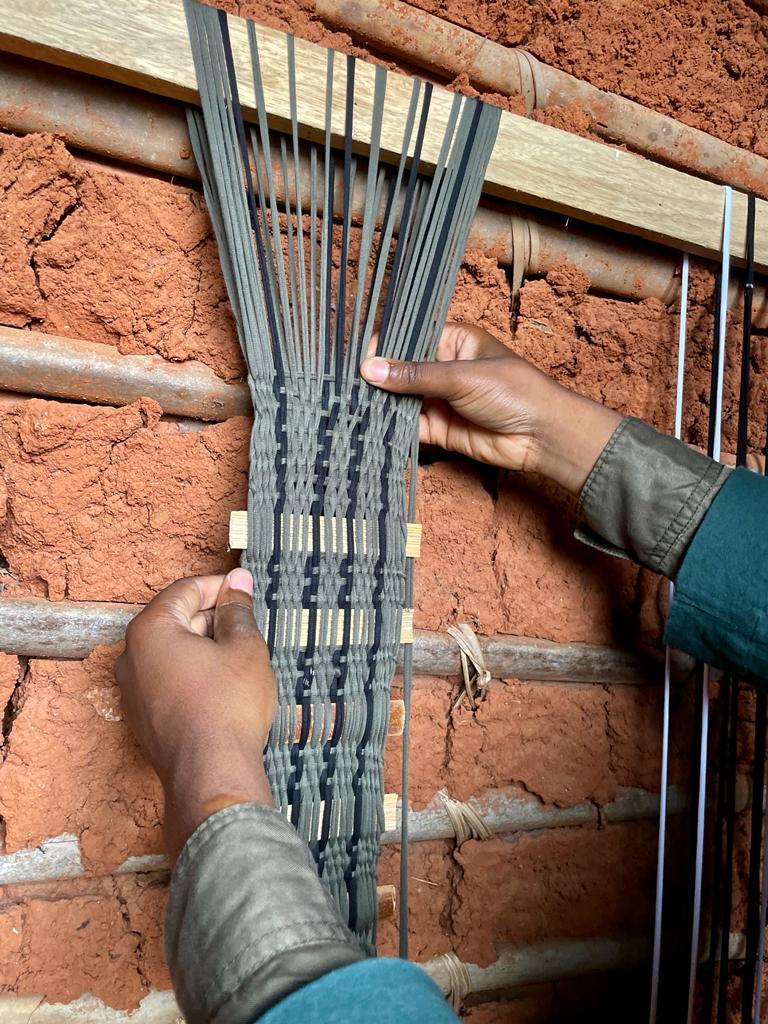
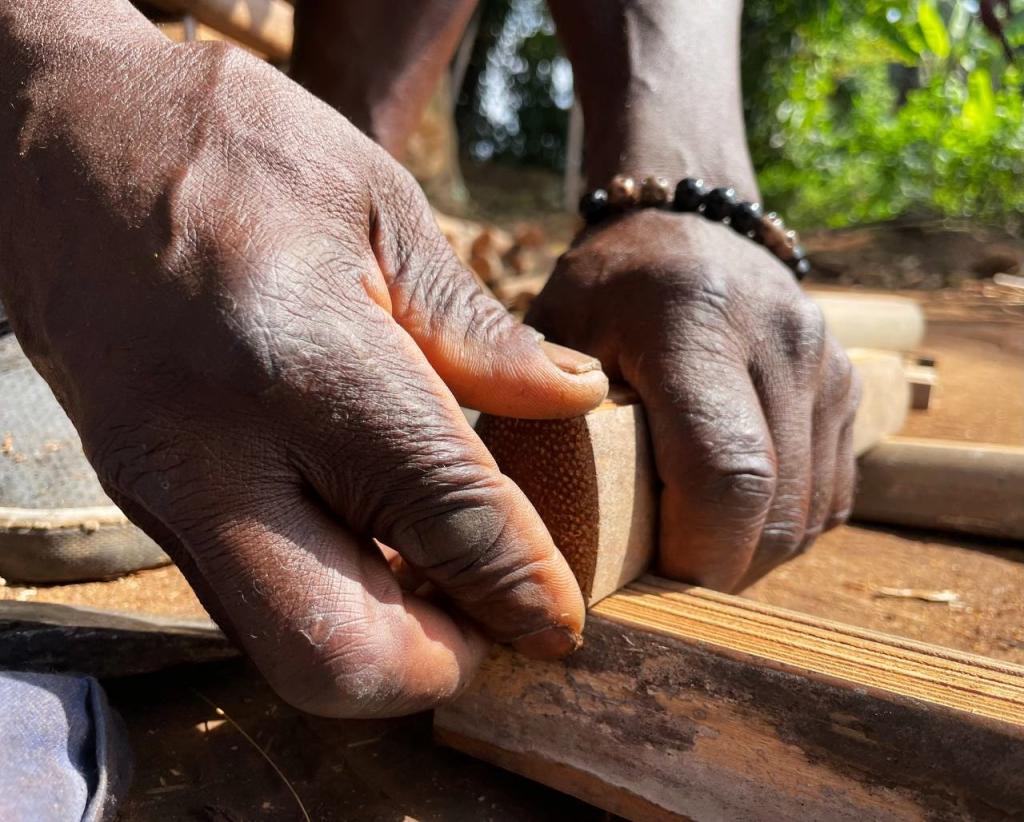
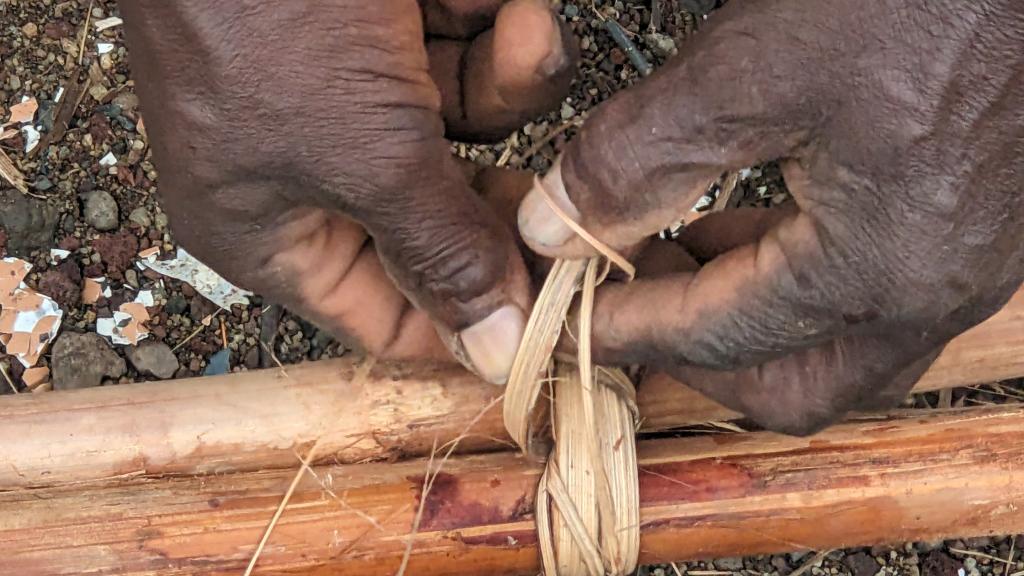
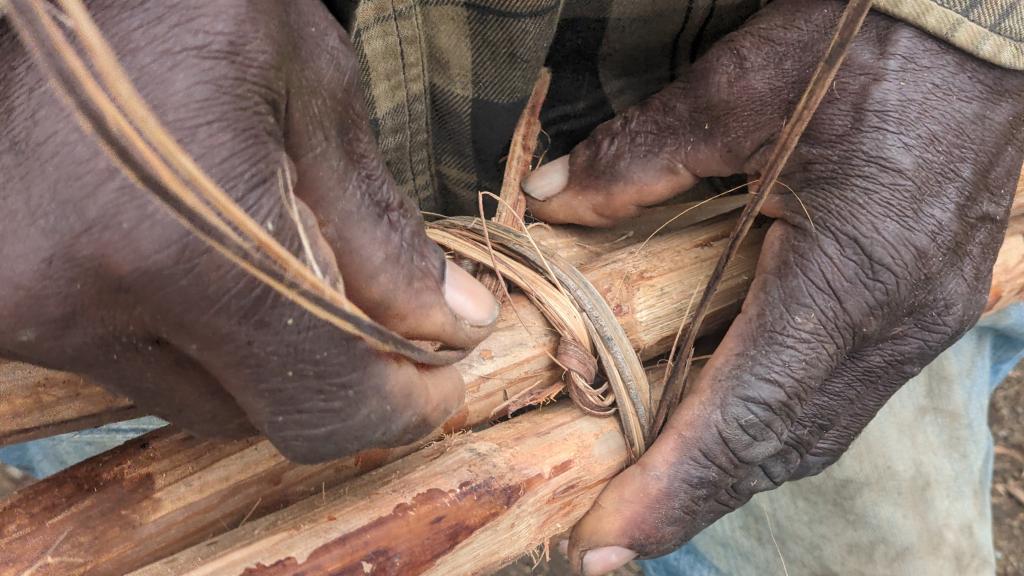
Knowledge is activated through making, repetition, experimentation, observation, dialogue, and collective participation. It resides not only in texts and objects but also in gestures, techniques, rhythms, tools, materials, and relationships to place.
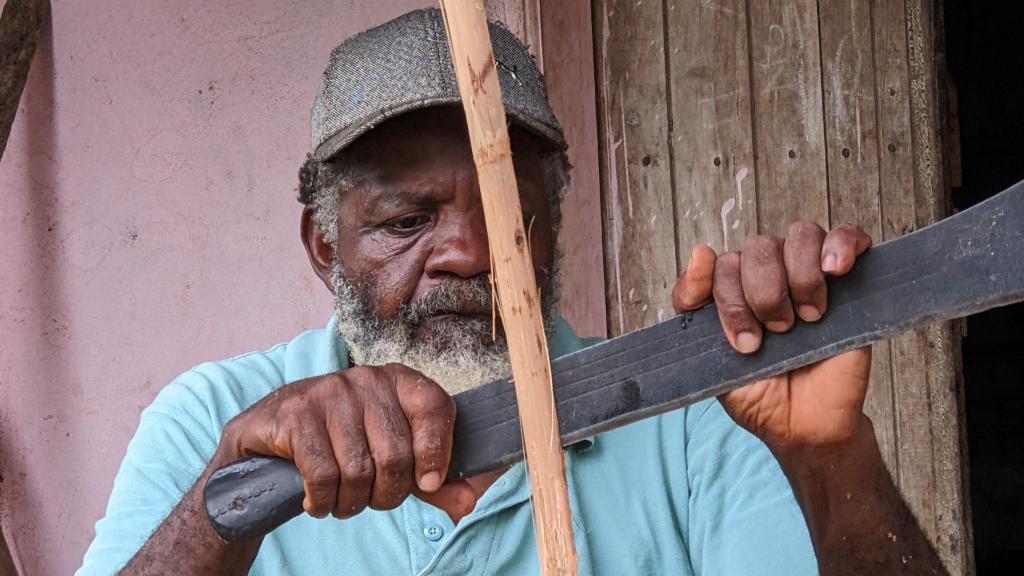
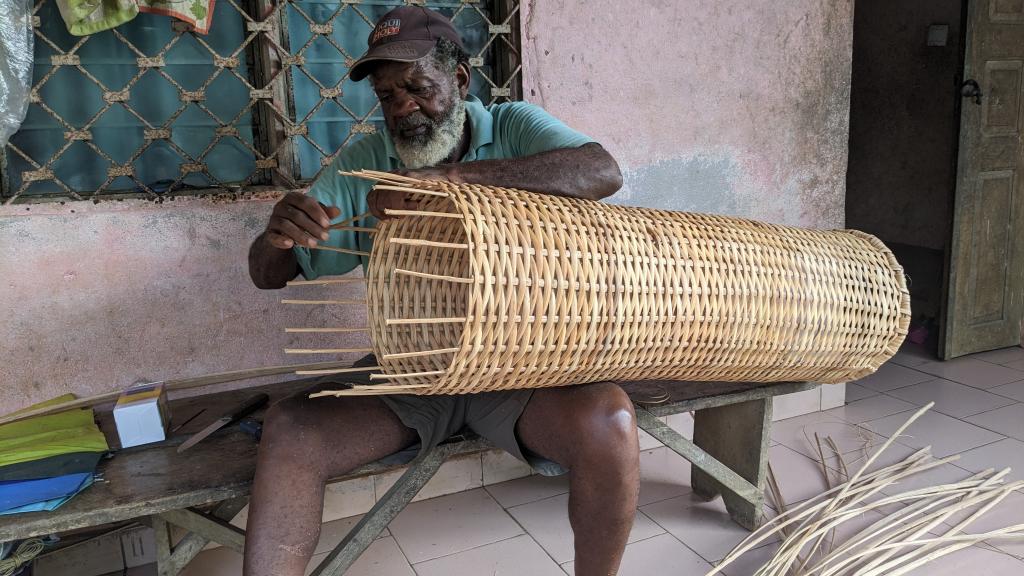
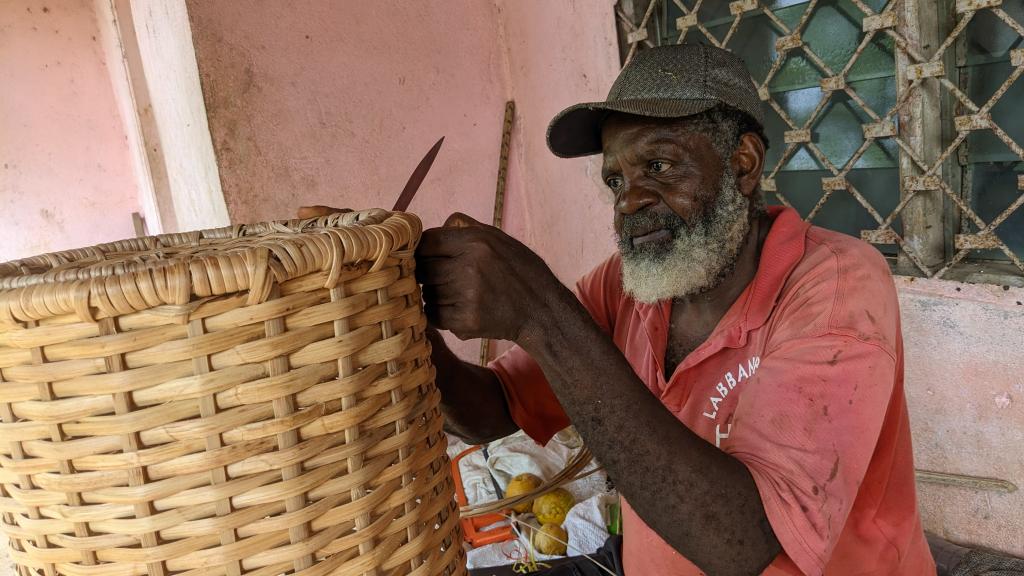
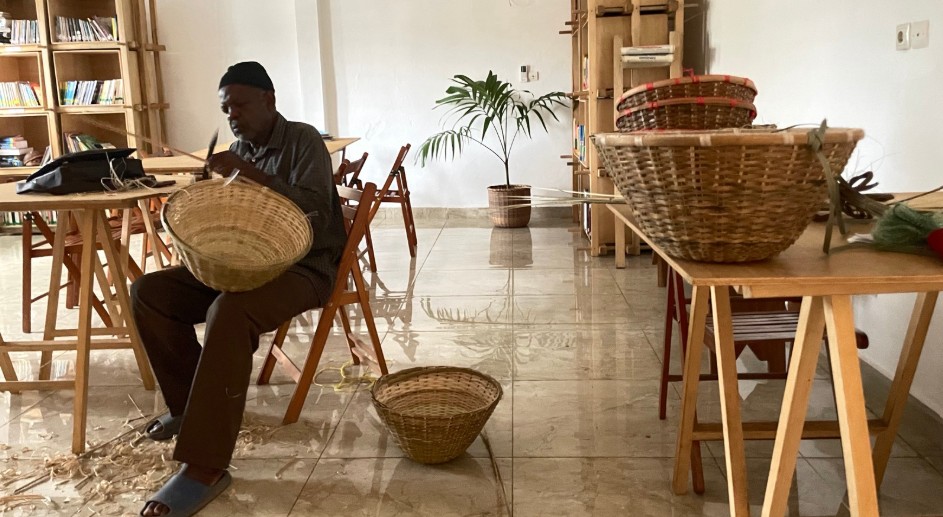
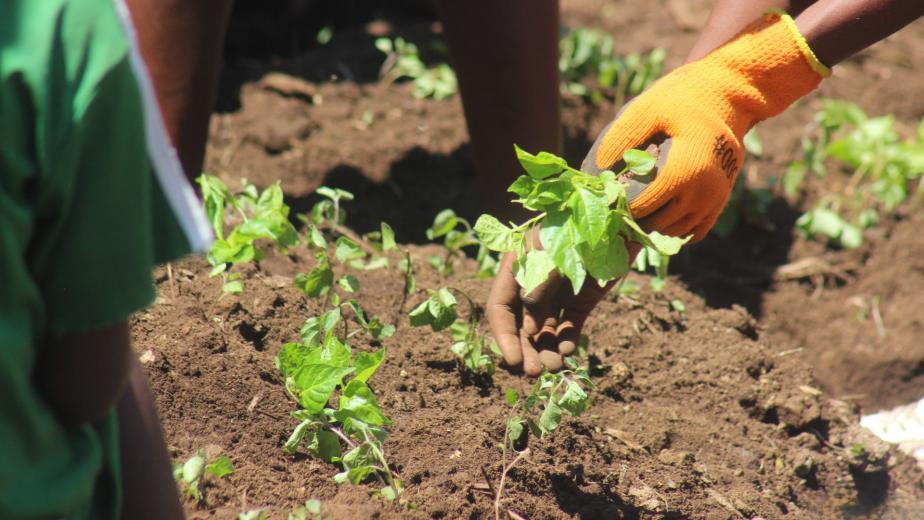
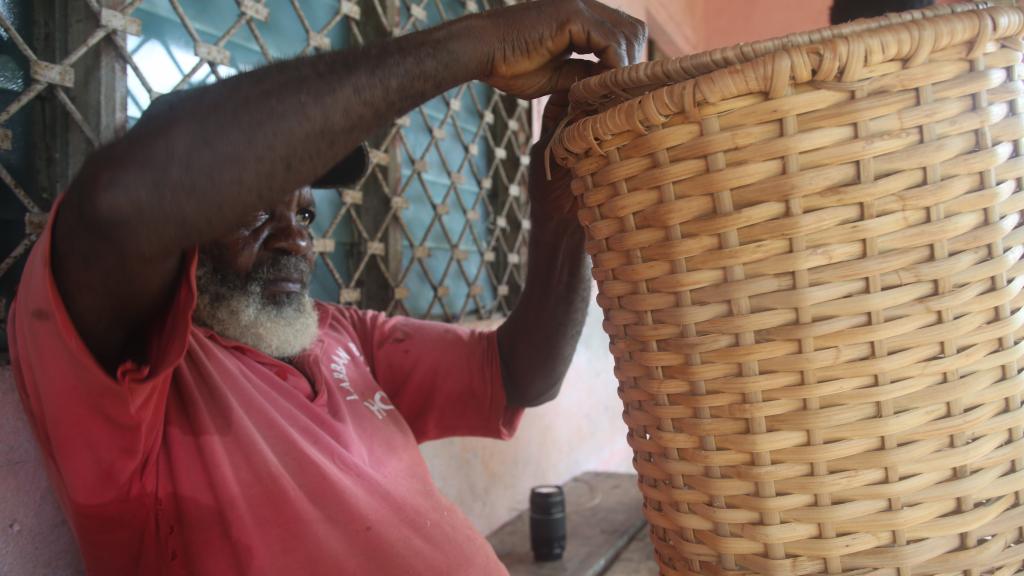
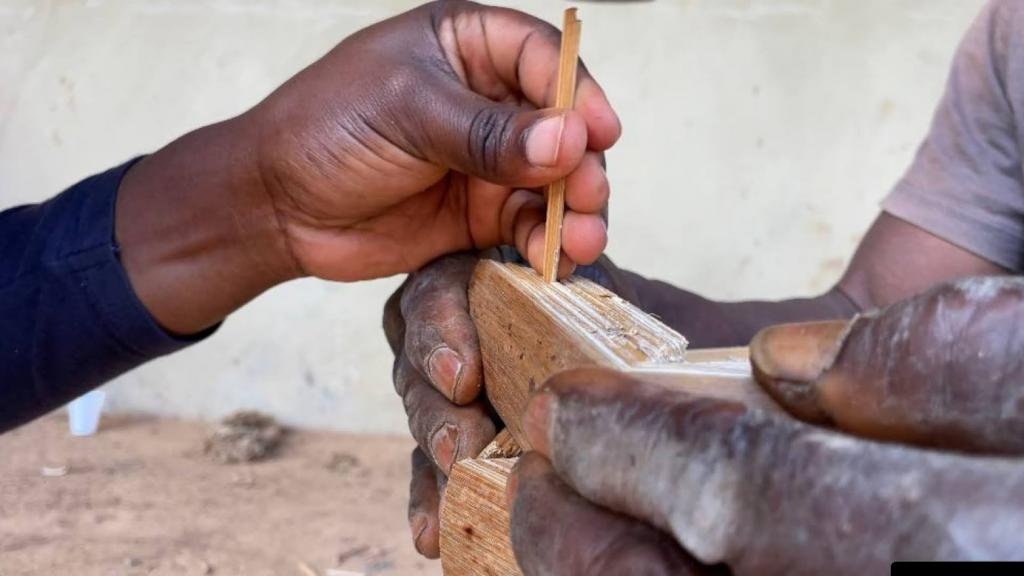
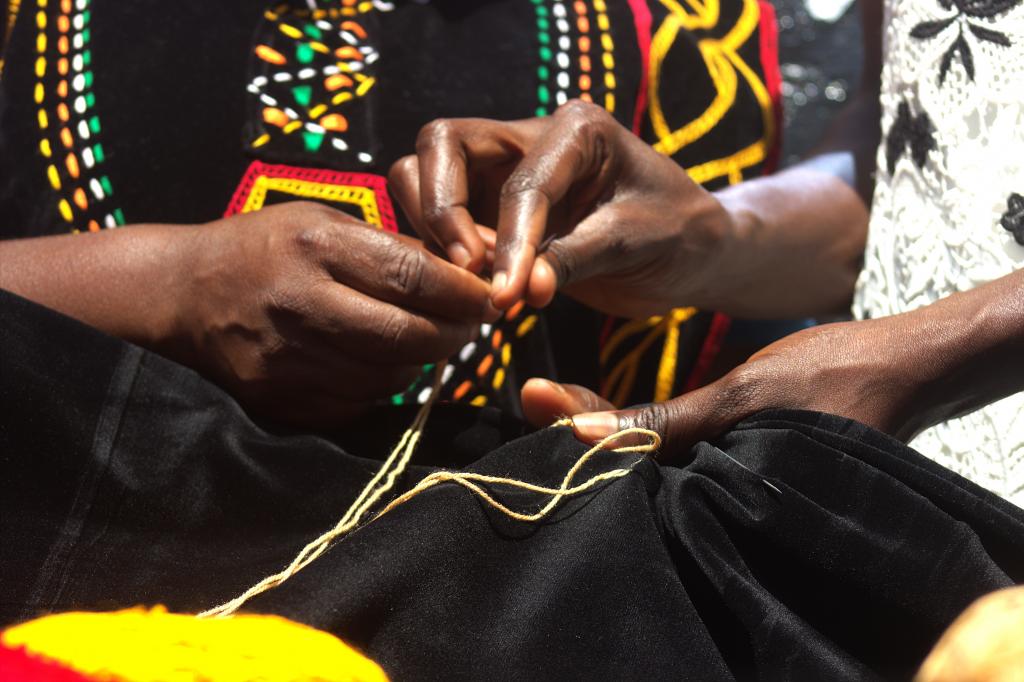
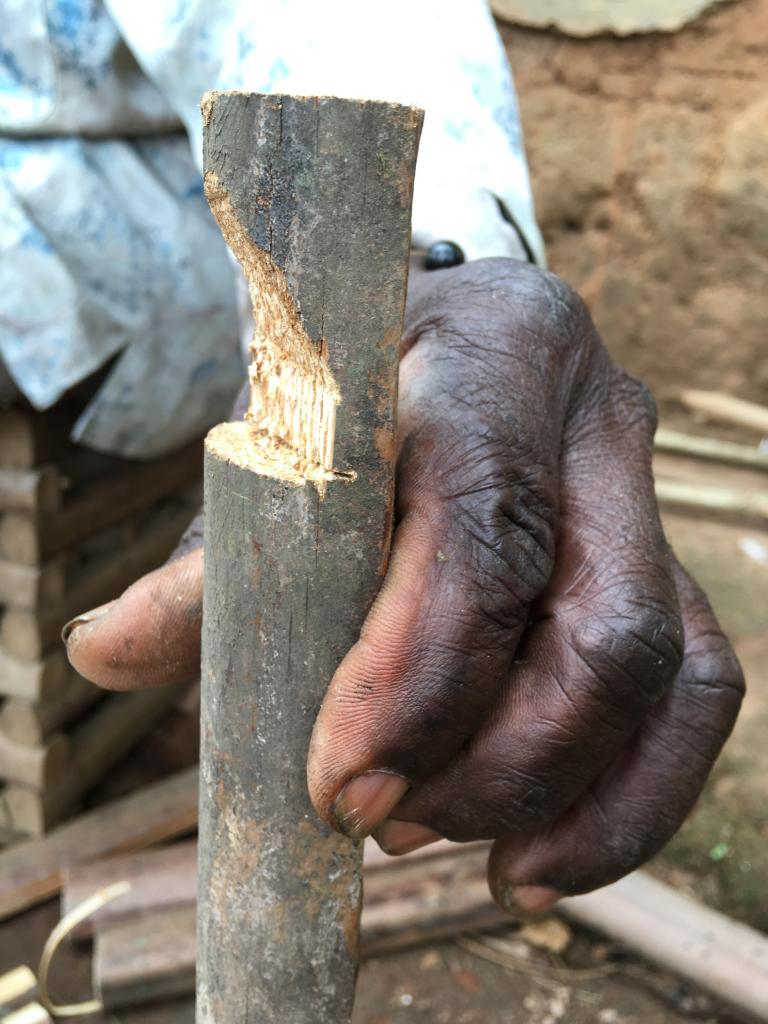
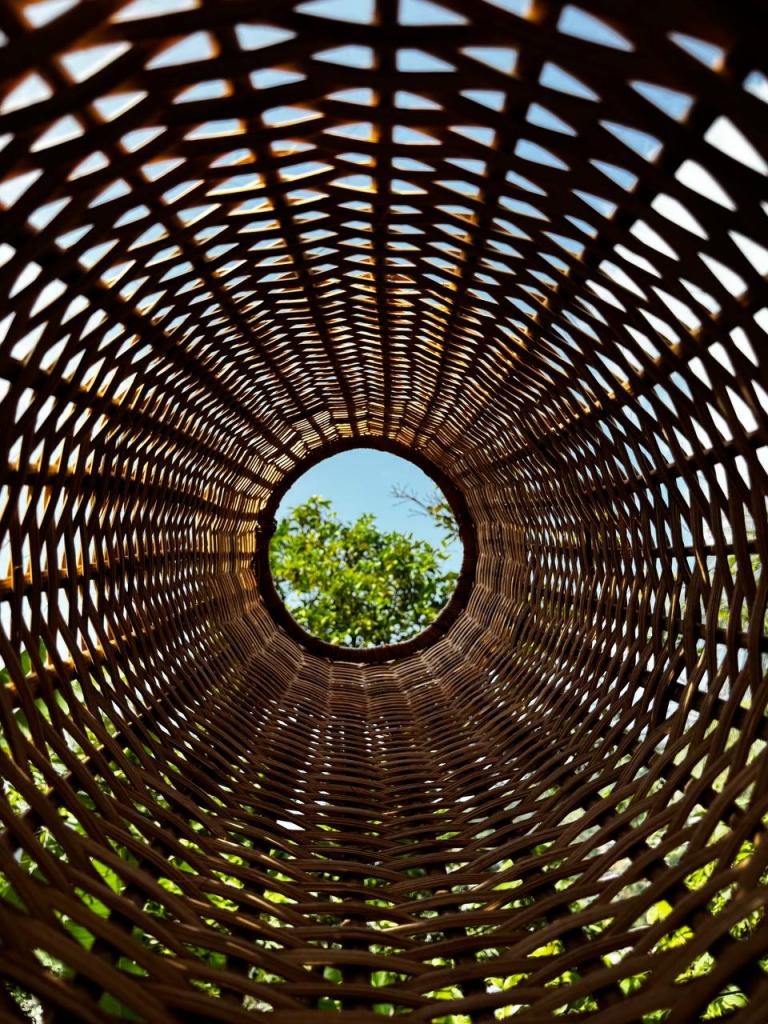
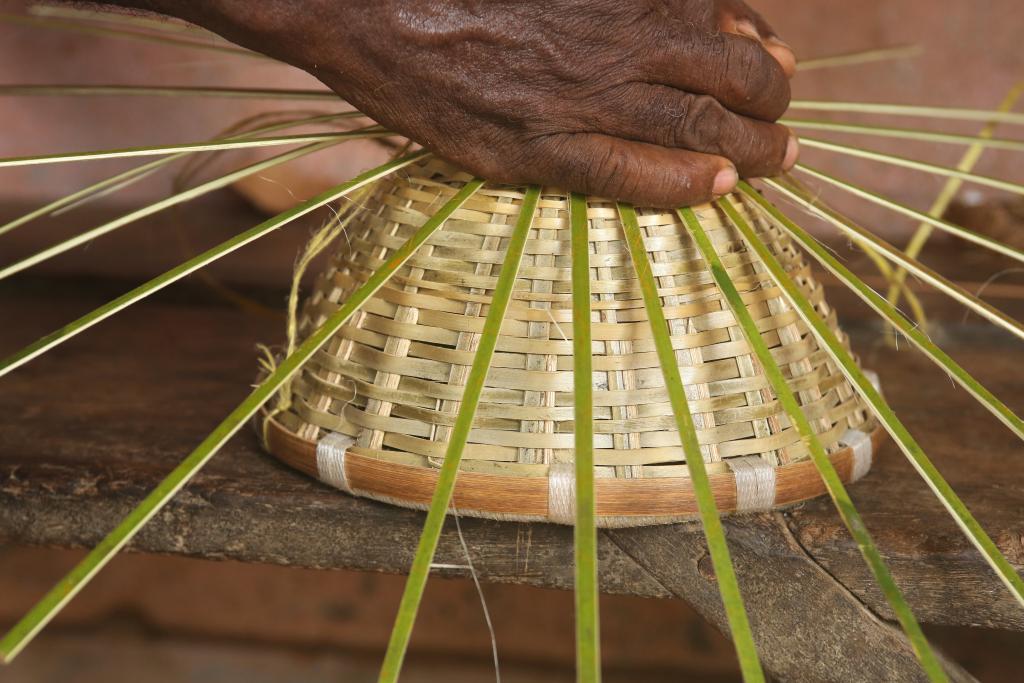
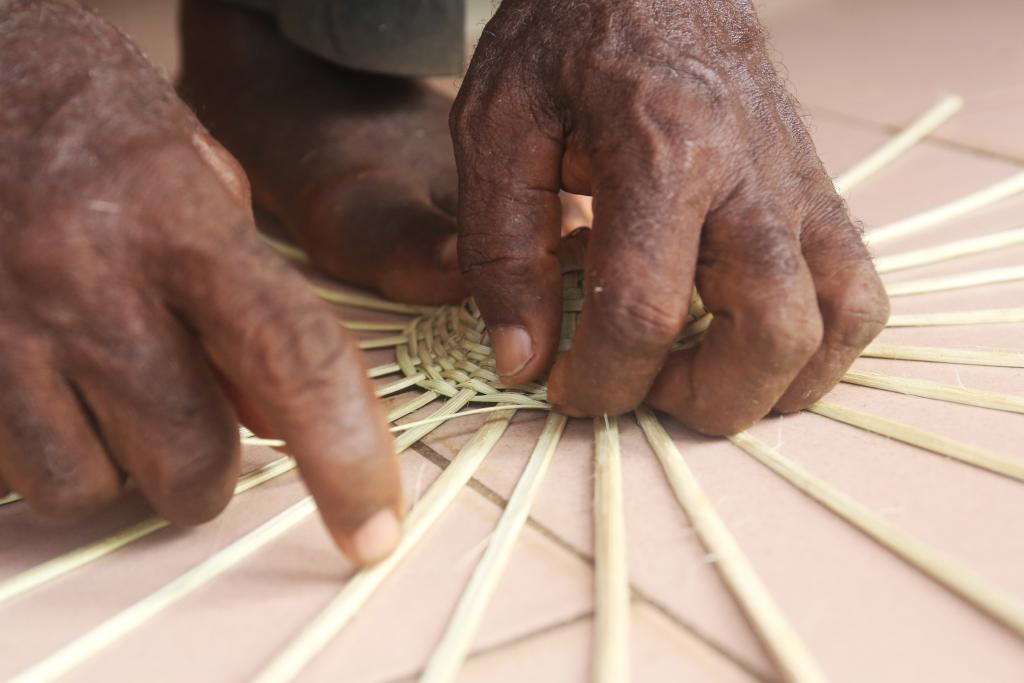
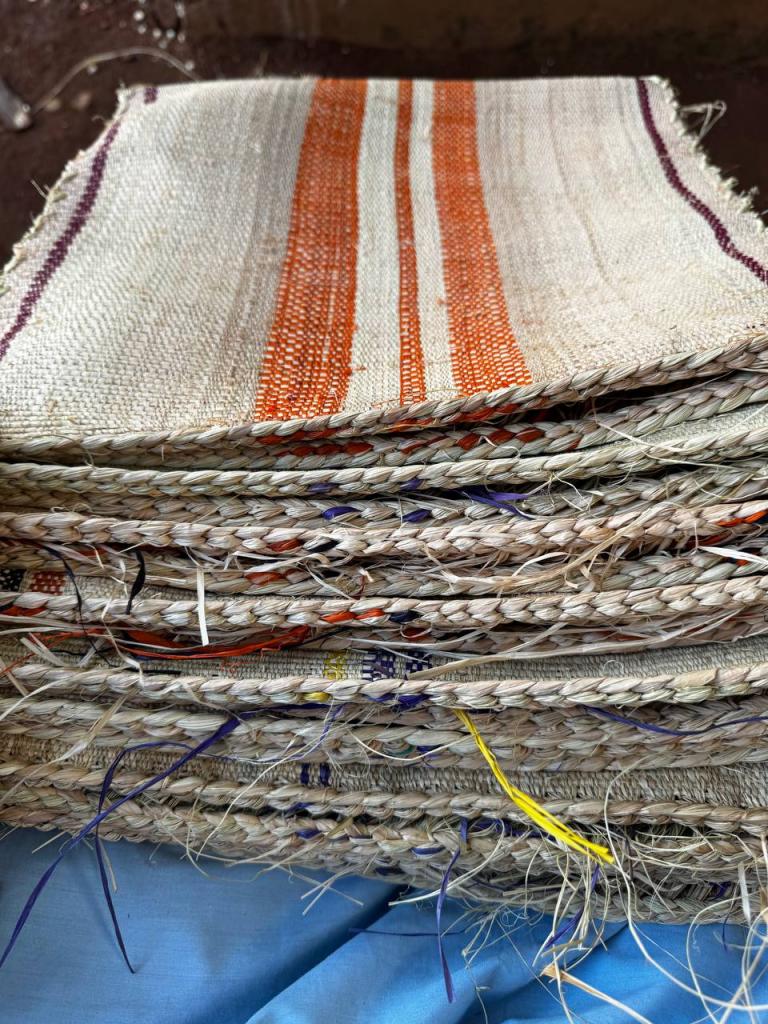
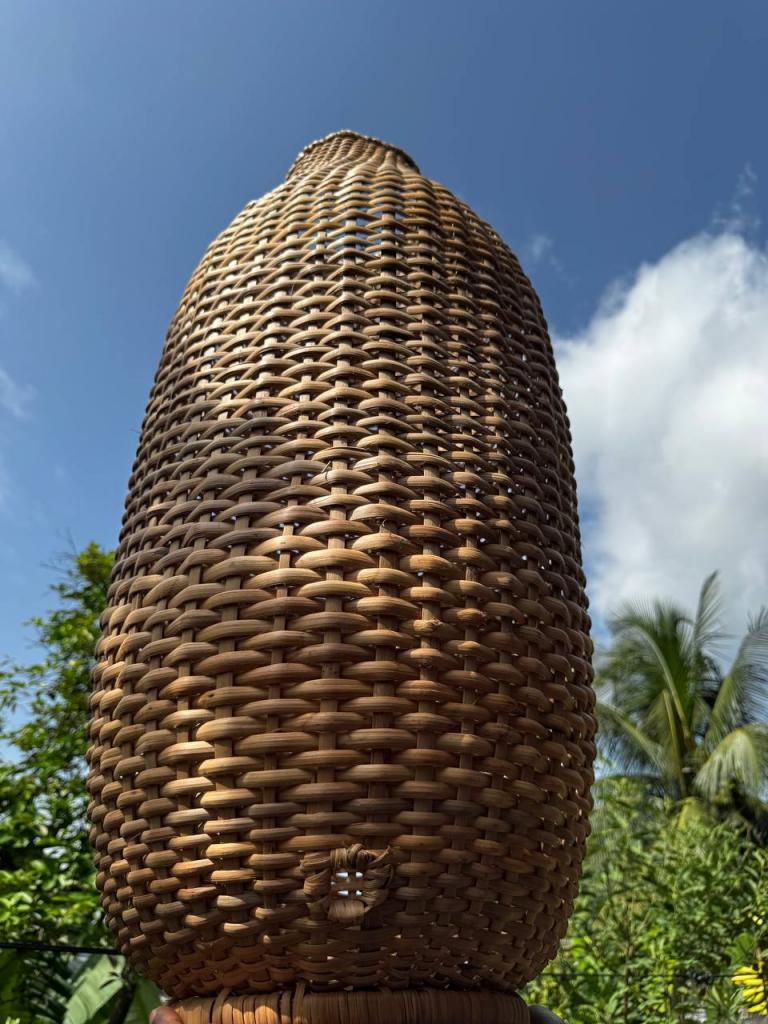
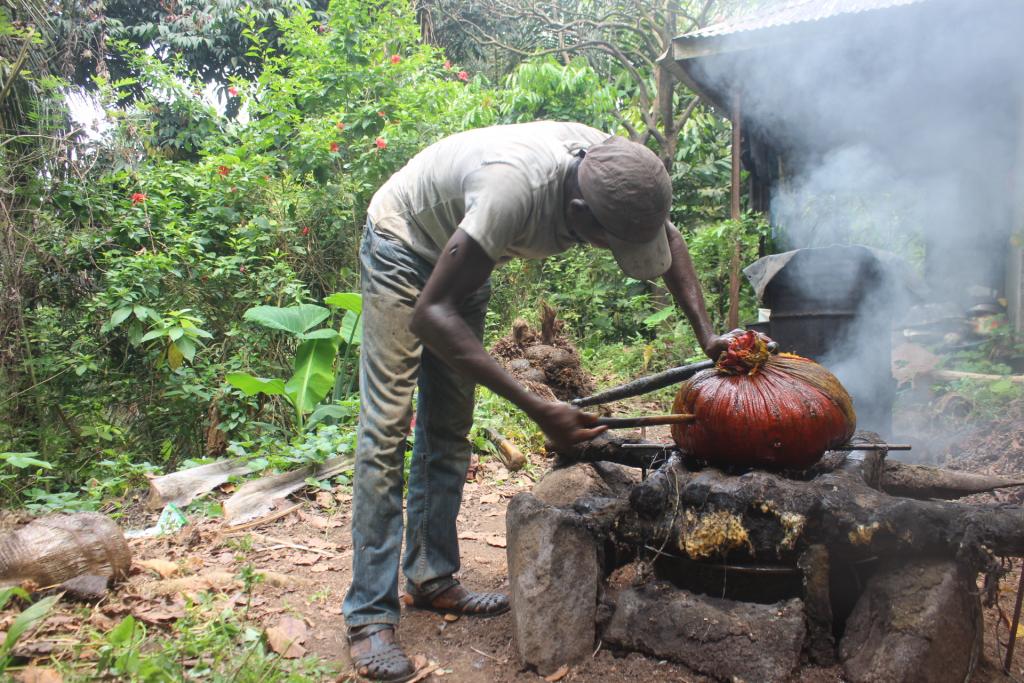
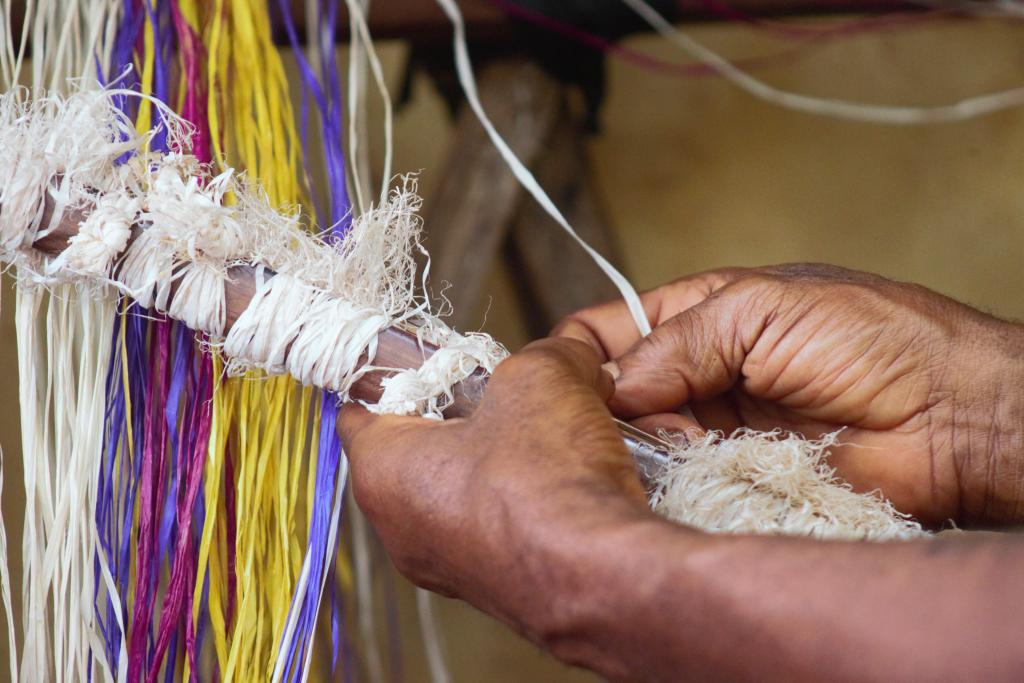
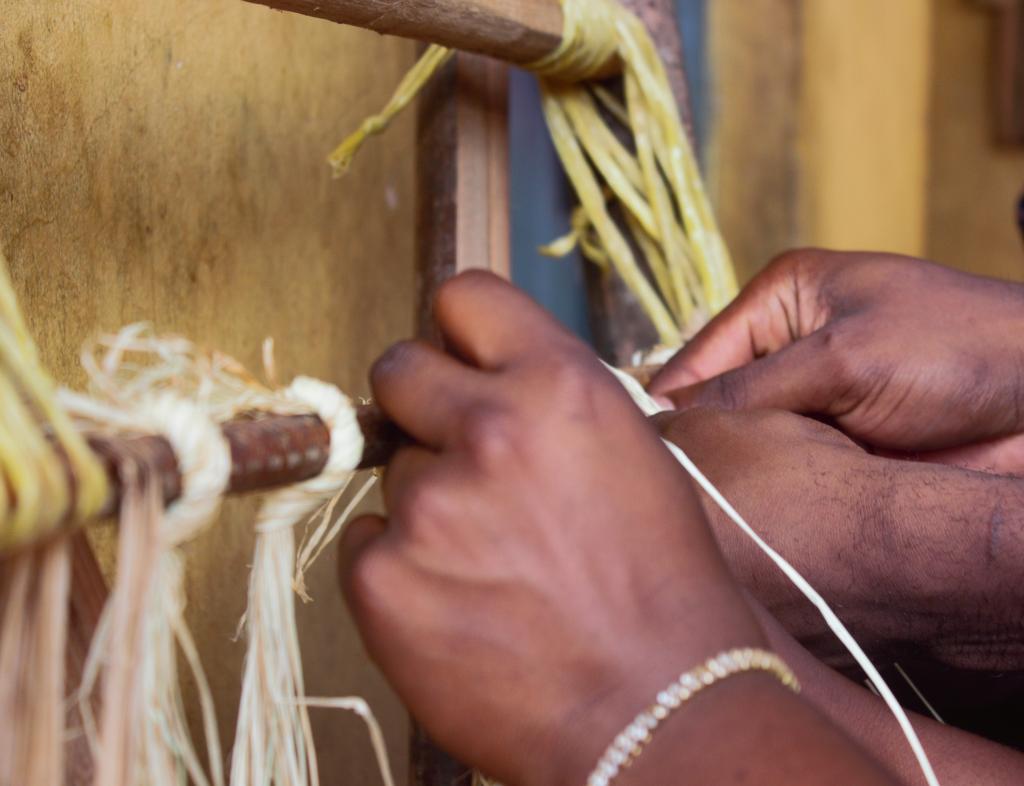
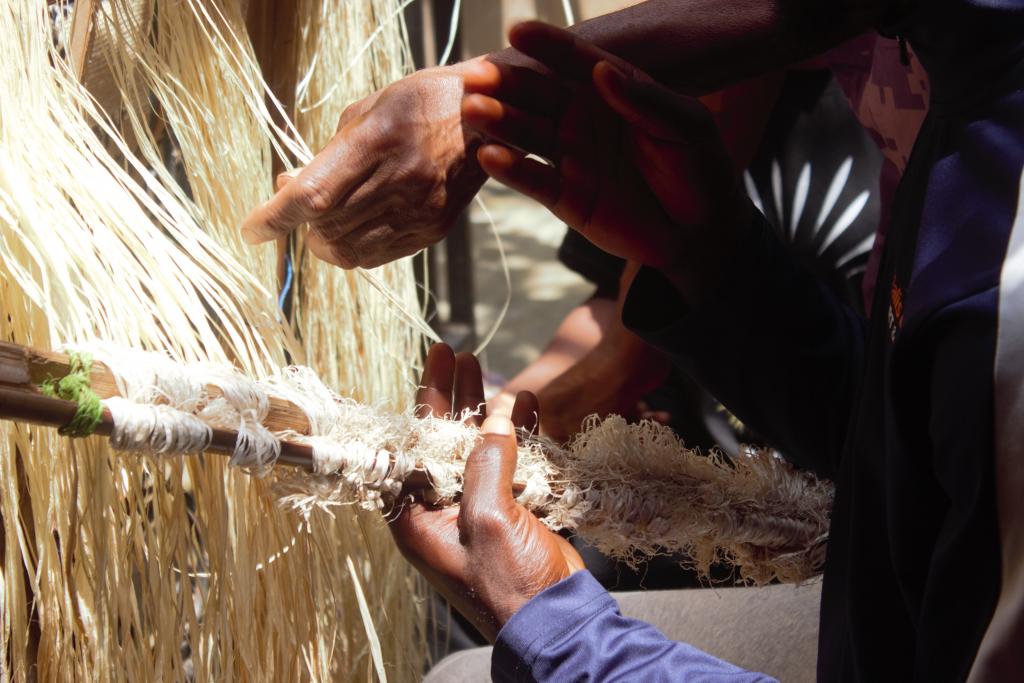
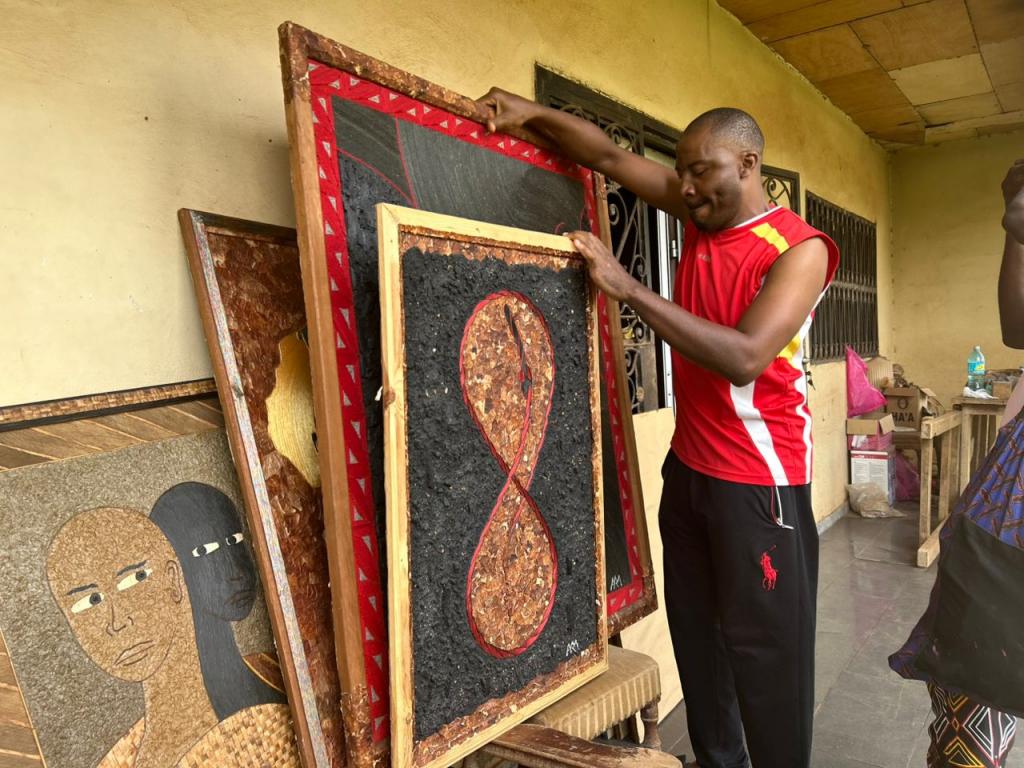
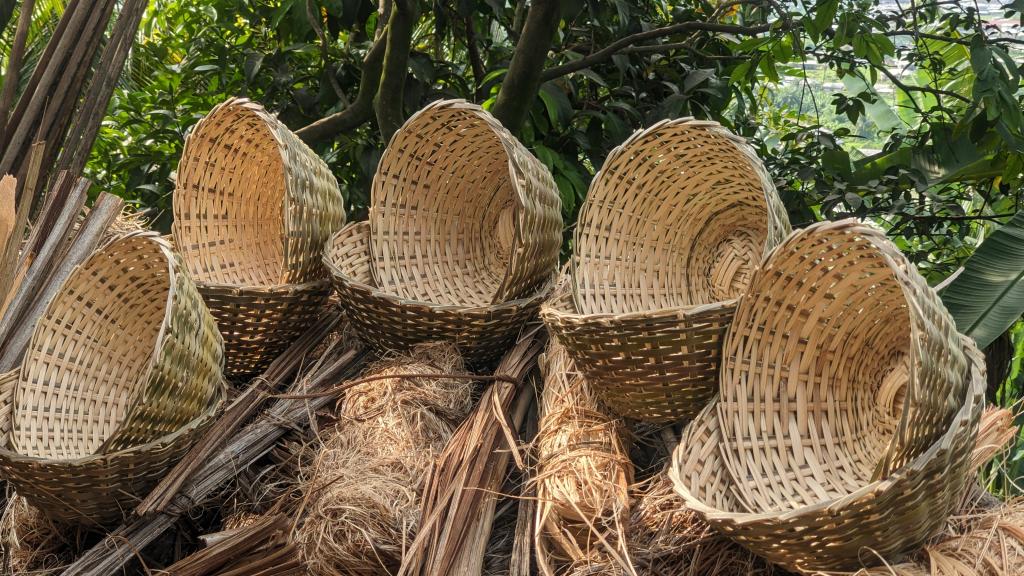
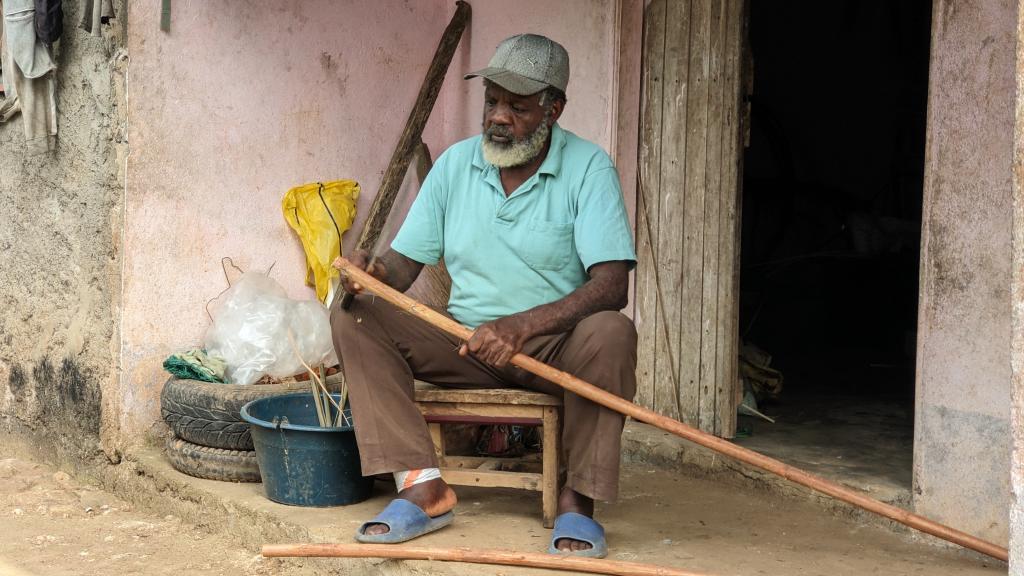
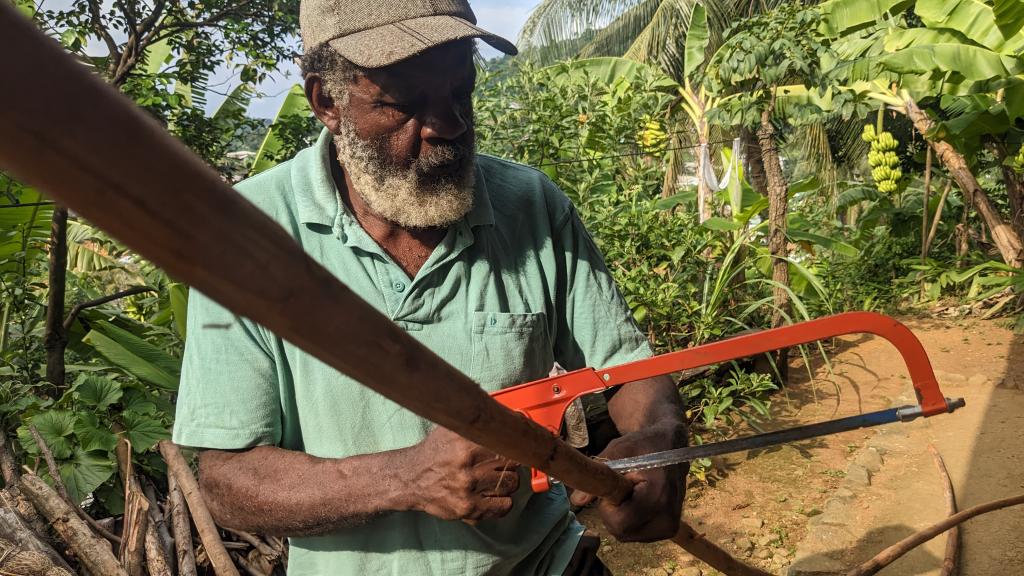
The programme focuses on practitioners whose expertise emerges through sustained interaction with specific cultural and environmental contexts. Whether working through weaving, carving, pottery, farming, food production, herbal medicine, storytelling, music-making, construction techniques, or other forms of cultural practice, these practitioners embody living archives of experience that connect historical memory with contemporary life.
Through direct engagement with these practices, participants encounter not only technical skills but also the social, ecological, historical, and cosmological worlds from which such knowledge emerges.

Field Encounters and Situated Learning
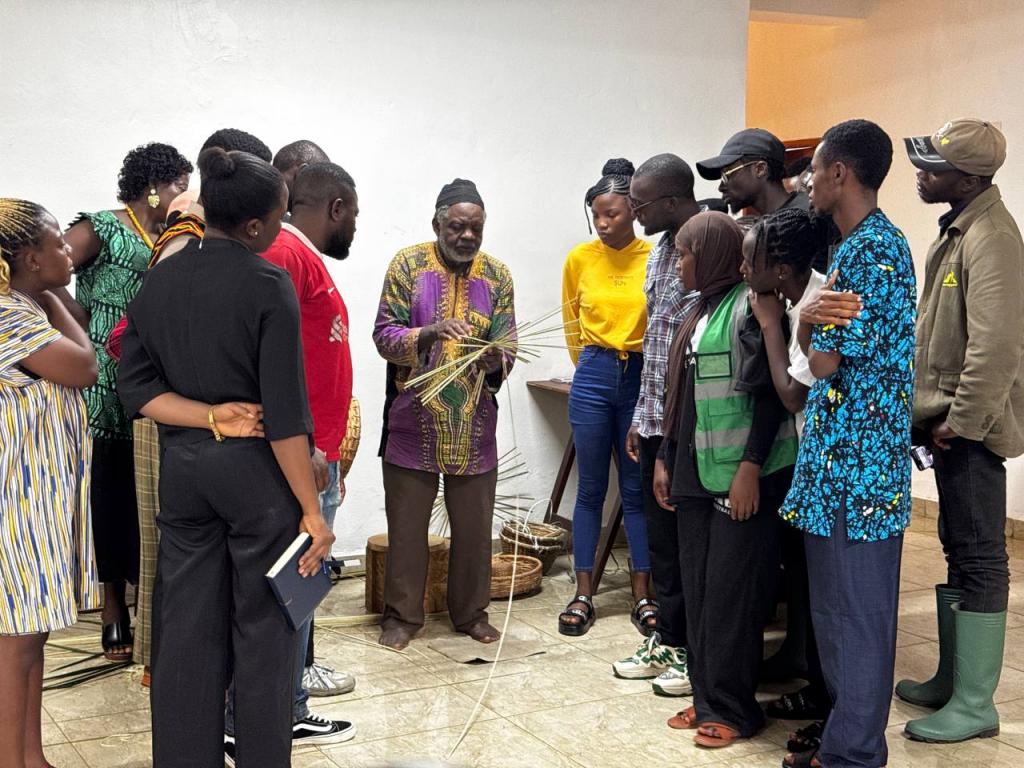
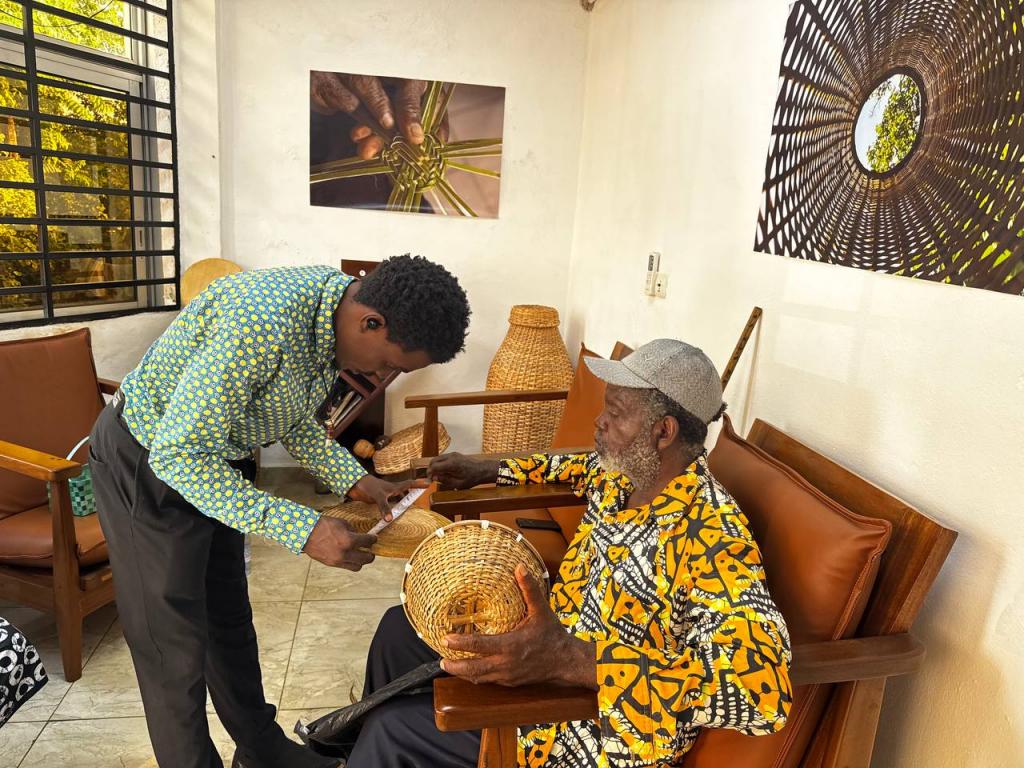
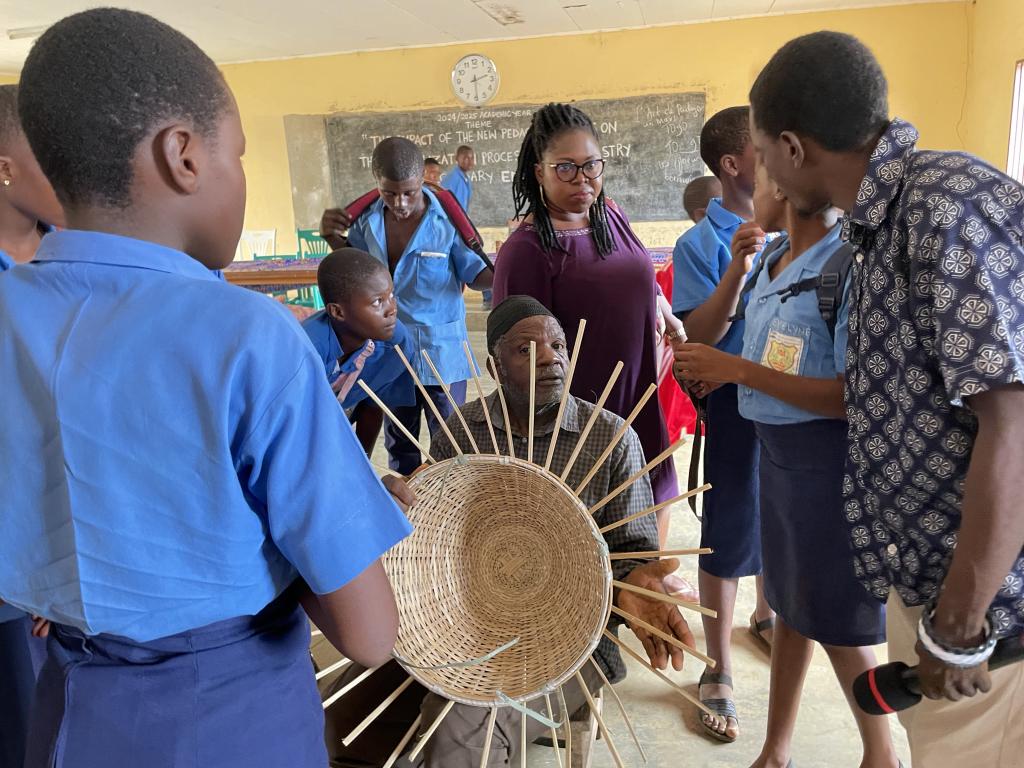
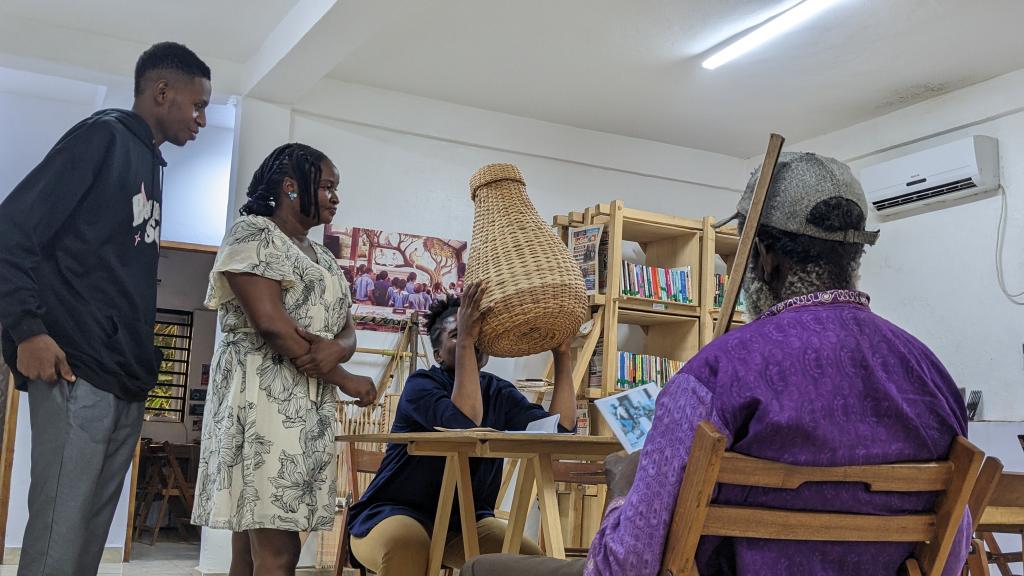
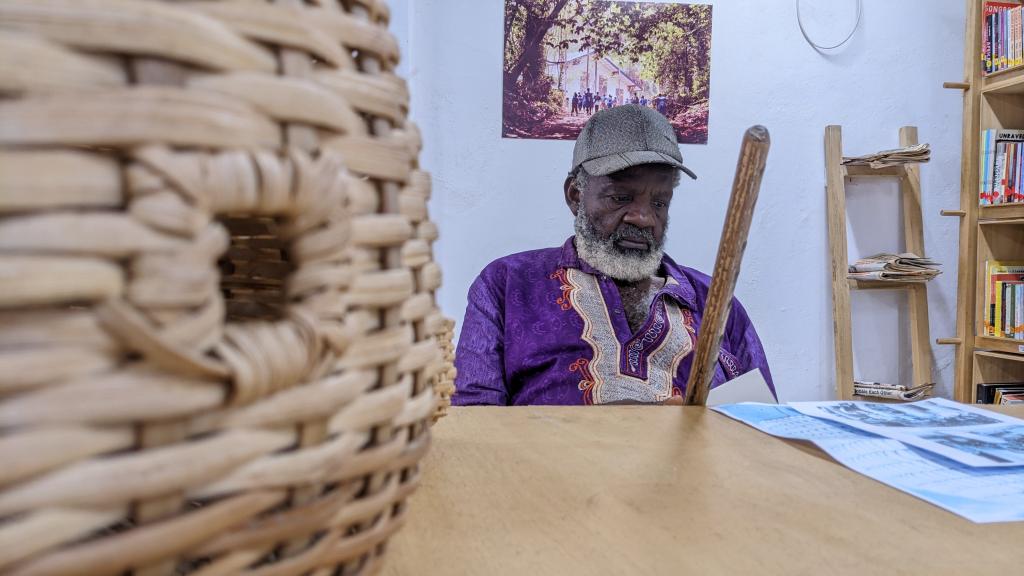
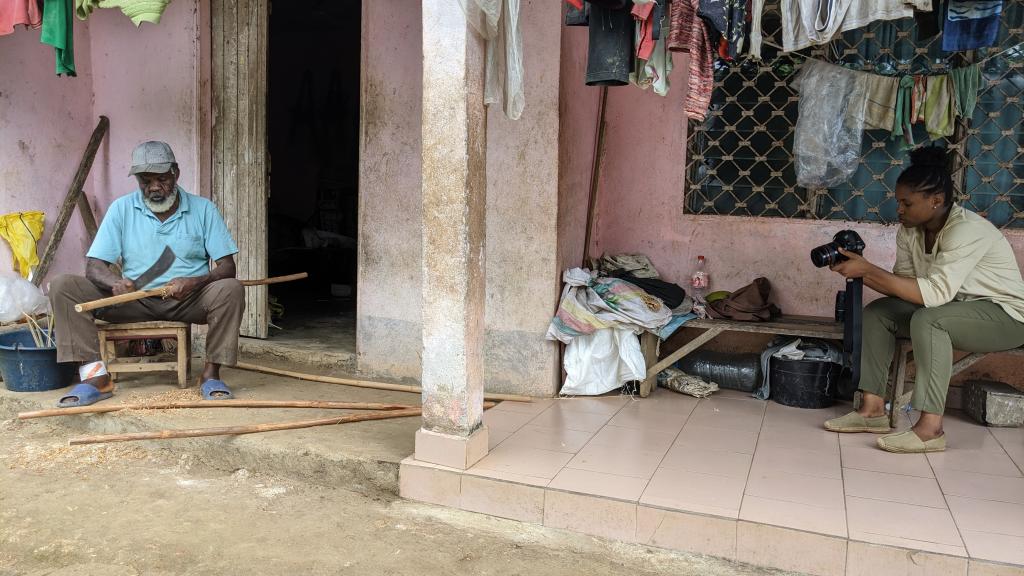
A central component of the programme involves field-based encounters with practitioners in workshops, farms, studios, homes, community spaces, and sites of production. These encounters operate as temporary learning environments where knowledge is shared through demonstration, dialogue, participation, and collective inquiry.
Moving beyond extractive modes of observation, participants are invited to engage with practice as a mode of thinking and world-making. Particular attention is given to the relationships between materials, technologies, environments, labour, and cultural values, highlighting how knowledge is embedded within everyday acts of production and care.
In doing so, the programme challenges entrenched distinctions between theory and practice, positioning experiential engagement as a vital mode of inquiry and methodology for research, learning, and knowledge generation.
Documentation as Curatorial Practice
Documentation functions as a central curatorial strategy within the programme. Rather than serving solely as an instrument of preservation, documentation is understood as an active process through which experience is interpreted, contextualised, and made accessible.
Each encounter contributes to the formation of an expanding body of material that reflects the complexity of local knowledge systems and cultural practices. Documentation may include photography, audio recordings, film, oral histories, interviews, field notes, process descriptions, technical drawings, material samples, participant reflections, and other methods of recording and transmitting knowledge.
By foregrounding the process alongside outcome, the programme seeks to document not only what practitioners produce but also how knowledge is transmitted, adapted, negotiated, and sustained across generations. Documentation thus becomes a space of translation and exchange, enabling diverse audiences to engage with practices that might otherwise remain invisible within dominant knowledge frameworks.
Archiving as Living Infrastructure
The programme approaches the archive not as a static repository of cultural artefacts but as a living and evolving infrastructure of memory, encounter, and activation. Archiving is understood as an ongoing cultural practice through which knowledge is preserved, revisited, reinterpreted, and continually brought into relation with the present.
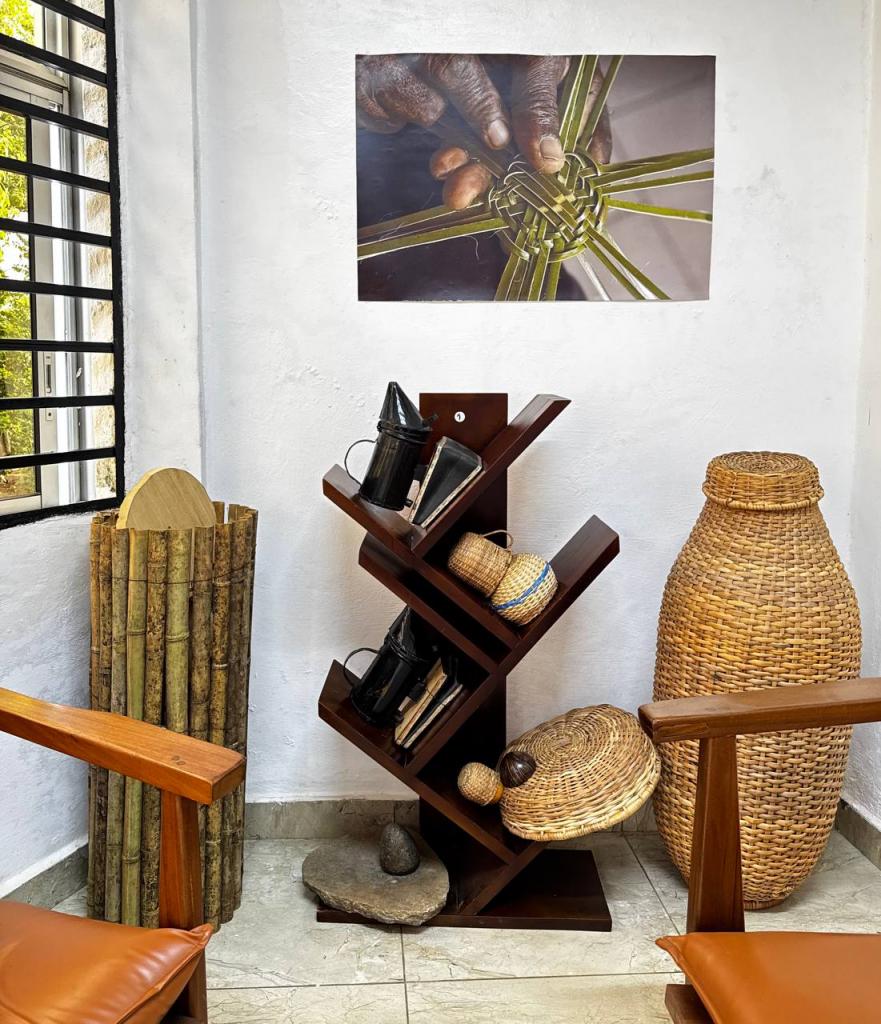
Materials generated through the programme contribute to the growing collections of SAVVY Kwata Library of Lost and Found, forming a dynamic archive of community histories, indigenous technologies, cultural practices, and embodied expertise. The archive functions simultaneously as a site of preservation, a research resource, a pedagogical tool, and a platform for future artistic and cultural production.
In this context, archiving becomes an act of collective responsibility, supporting the safeguarding of intangible heritage while creating conditions for future forms of learning, inquiry, creativity, and imagination.
Public Engagement and Knowledge Exchange
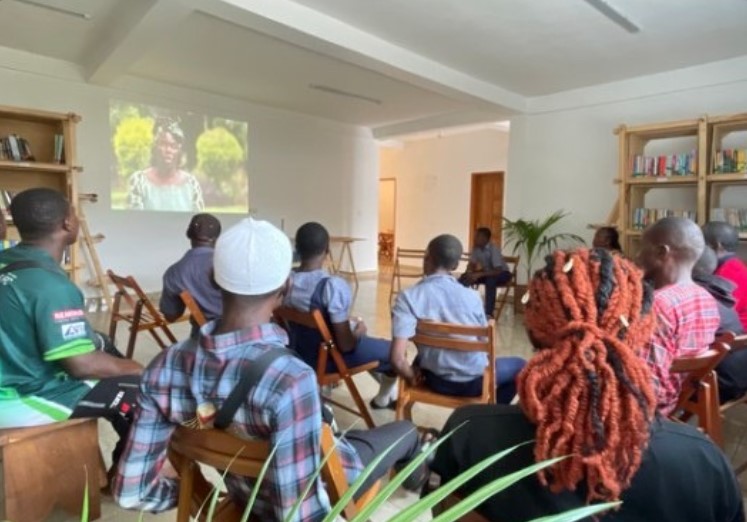
Beyond documentation and preservation, the Practitioners Programme seeks to activate and circulate the knowledge generated through public programmes, exhibitions, screenings, conversations, workshops, publications, and community gatherings.
These activities create opportunities for dialogue between practitioners and wider audiences, fostering cross-generational exchange and encouraging critical reflection on the role of local knowledge systems within contemporary society. By creating platforms for visibility and engagement, the programme contributes to the recognition of practitioners as intellectual and cultural agents whose expertise offers valuable insights into questions of sustainability, resilience, creativity, and collective futures.
Expected Outcomes
The programme seeks to strengthen pathways for intergenerational knowledge transmission while contributing to the development of a living archive of cultural practices and community knowledge systems. Through sustained engagement with practitioners, it supports the preservation of intangible cultural heritage, expands opportunities for research and learning, fosters collaborations between communities and institutions, and promotes broader recognition of local expertise as a vital resource for cultural, social, and ecological development.
Conclusion
The Practitioners Programme positions practice as a critical site of knowledge production, cultural memory, and social transmission. Through field encounters, collaborative learning, documentation, and archiving, it creates a framework for engaging with the diverse forms of knowledge embedded within communities, materials, environments, landscapes, and everyday life.
By bringing practitioners, learners, researchers, artists, and cultural actors into dialogue, the programme contributes to the preservation, activation, and circulation of knowledge systems that continue to shape collective identities and imaginaries. In doing so, it affirms the importance of locally grounded forms of expertise as essential resources for understanding the past, navigating the present, and collectively imagining more sustainable and equitable futures.