16 May 2025
Cultivating Ecological Knowledge, Food Sovereignty, and Regenerative Futures
Curatorial Concept
The Integrated Farming Project emerged as a practical and community-oriented outcome of the three-month collaborative research programme developed by SAVVY Kwata and SAVVY Contemporary. While the research examined the ecological legacies of German colonial agricultural and botanical projects in Sub-Saharan Africa, the Integrated Farming Project sought to move beyond historical analysis towards the cultivation of alternative ecological futures grounded in local knowledge, regenerative agricultural practices, and community self-determination.
The project was conceived as both a site of production and a site of learning. It explored how contemporary farming practices in Cameroon might draw upon indigenous ecological knowledge, local agricultural traditions, and sustainable innovations to address current challenges related to food security, environmental degradation, biodiversity loss, and economic vulnerability.
Rather than approaching agriculture solely as an economic activity, the project understood farming as a cultural, ecological, and social practice through which relationships between people, land, knowledge, and community are continually negotiated and renewed.
Agriculture and Colonial Legacies
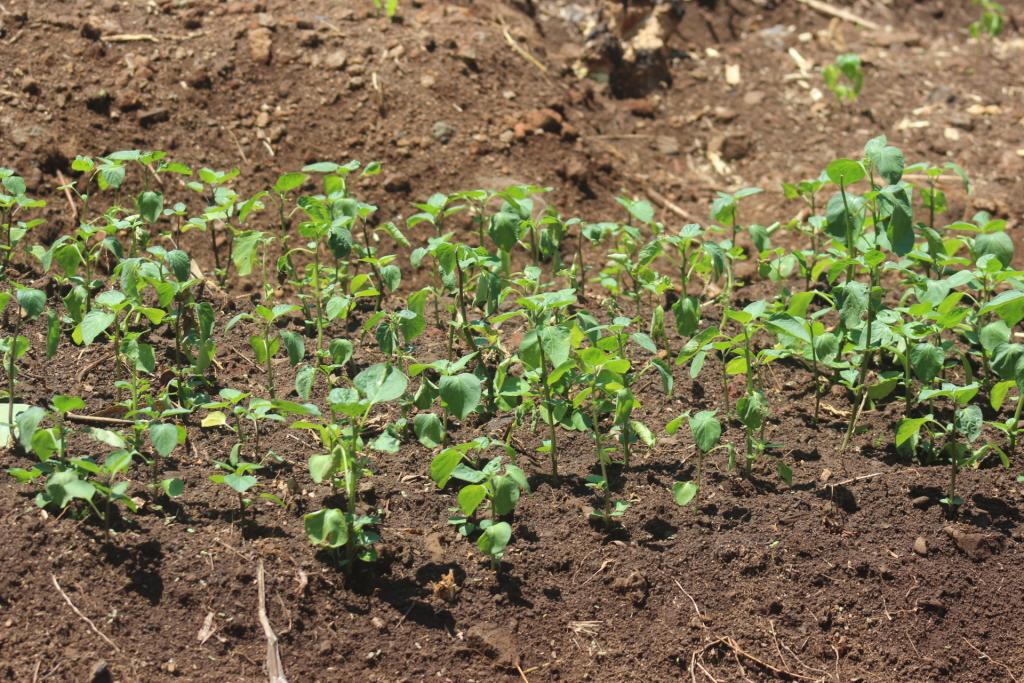
Agriculture has occupied a central position in Cameroon’s history. Long before colonial intervention, communities across the country’s diverse ecological zones had developed sophisticated farming systems adapted to local climates, soils, and cultural contexts. Indigenous agricultural knowledge supported the cultivation of crops such as cocoyam, plantain, cassava, yam, maize, millet, sorghum, groundnuts, beans, and a wide variety of medicinal and edible plants.
Colonial agricultural policies profoundly transformed these systems. Under German colonial rule, and subsequently under British and French administrations, agricultural production increasingly shifted towards export-oriented cash crops such as cocoa, coffee, rubber, bananas, palm oil, tea, and cotton. Large-scale plantation economies reconfigured relationships to land, labour, and ecological resources, often prioritising external markets over local food systems.
The effects of these transformations continue to shape contemporary agricultural landscapes throughout Cameroon. Questions of land ownership, monoculture farming, soil degradation, dependence on imported agricultural inputs, and declining biodiversity remain closely linked to historical processes initiated during the colonial period.
The Integrated Farming Project emerged as a response to these histories, seeking to explore alternative agricultural models rooted in ecological sustainability, local resilience, and food sovereignty.
Integrated Farming as Ecological Practice
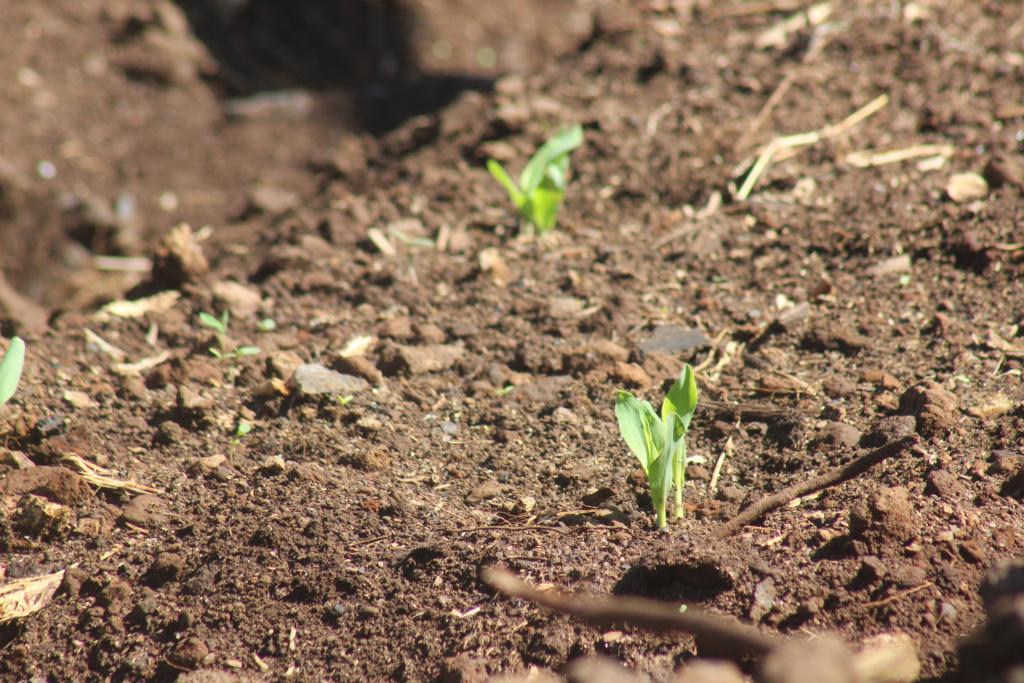
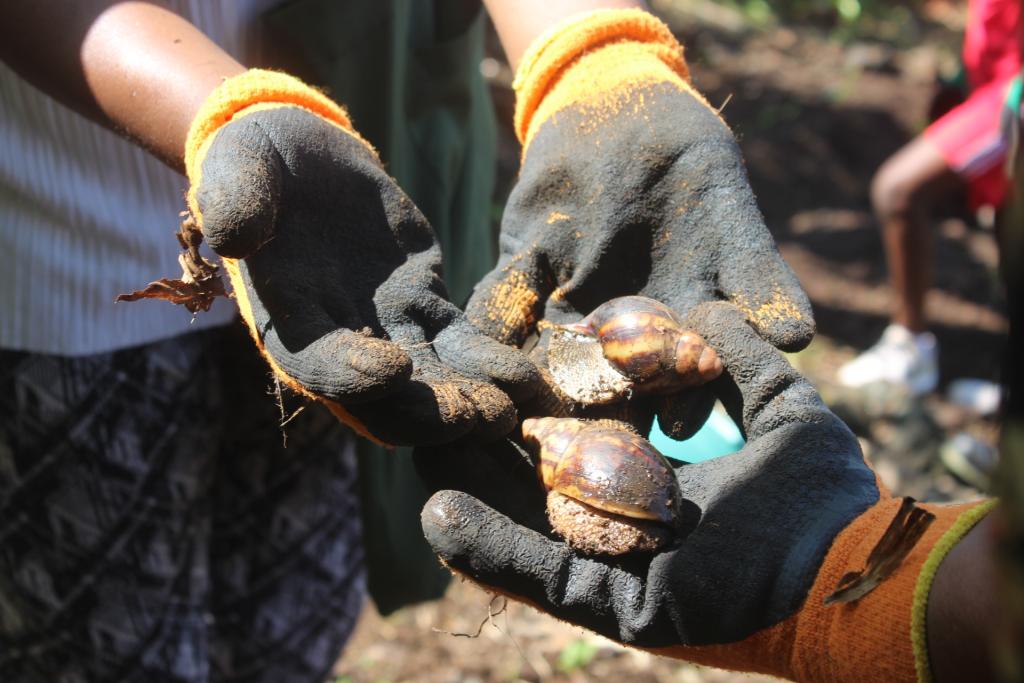
At the heart of the project was the principle of integration. Rather than separating crops, livestock, soil management, and water systems into isolated components, the project approached the farm as an interconnected ecosystem in which each element contributes to the resilience, health, and productivity of the whole.
Particular emphasis was placed on the use of organic fertilisers and locally sourced materials. Composting, animal manure, green manure, mulching, crop rotation, intercropping, and natural pest management techniques were explored as methods of improving soil fertility while reducing dependence on chemical inputs.
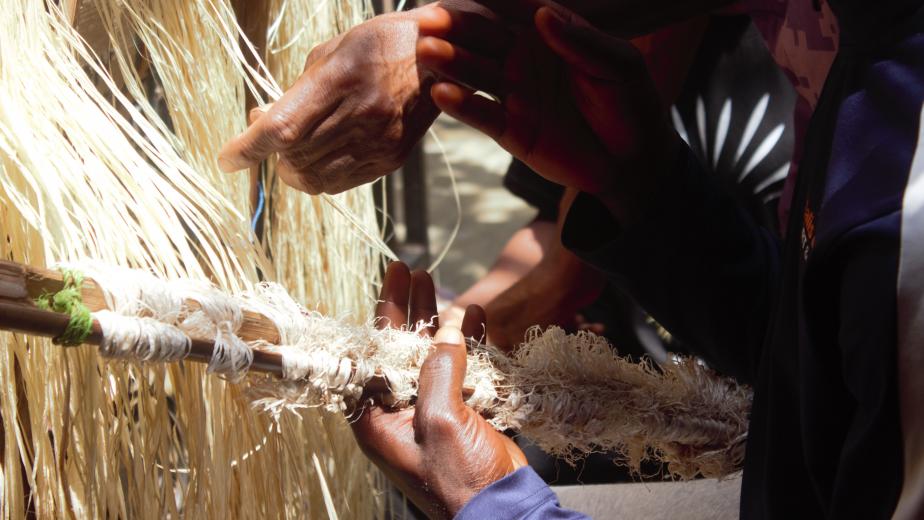
These practices drew inspiration from both contemporary agroecological approaches and the longstanding farming traditions found across Cameroon. In many rural communities, agricultural knowledge has historically been transmitted through observation, participation, and intergenerational exchange, creating systems that emphasise adaptation, biodiversity, and stewardship of natural resources.
The project, therefore, recognised farmers not merely as producers of food but as custodians of ecological knowledge, stewards of biodiversity, and active contributors to environmental sustainability.
Learning from Cameroonian Agricultural Knowledge
Cameroon’s ecological diversity offers a rich repository of agricultural and environmental knowledge. From the volcanic soils surrounding Mount Cameroon to the forest-farming systems of the South Region, the savannah landscapes of the Adamawa Plateau, and the floodplain agriculture of the Far North, communities across Cameroon have developed farming practices that uniquely respond to their distinct environmental conditions.
The project sought to engage with these diverse traditions by examining:
- Indigenous soil fertility management techniques.
- Traditional seed preservation and exchange systems.
- Agroforestry practices involving fruit trees, medicinal plants, and food crops.
- Mixed farming systems combining crop cultivation and livestock rearing.
- Community-based approaches to land stewardship and resource management.
- Traditional ecological knowledge related to rainfall patterns, biodiversity, and seasonal cycles.
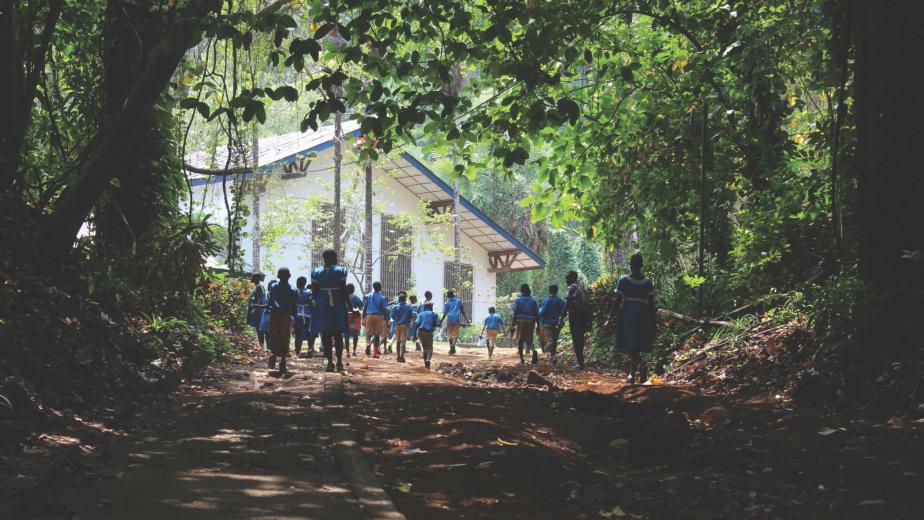
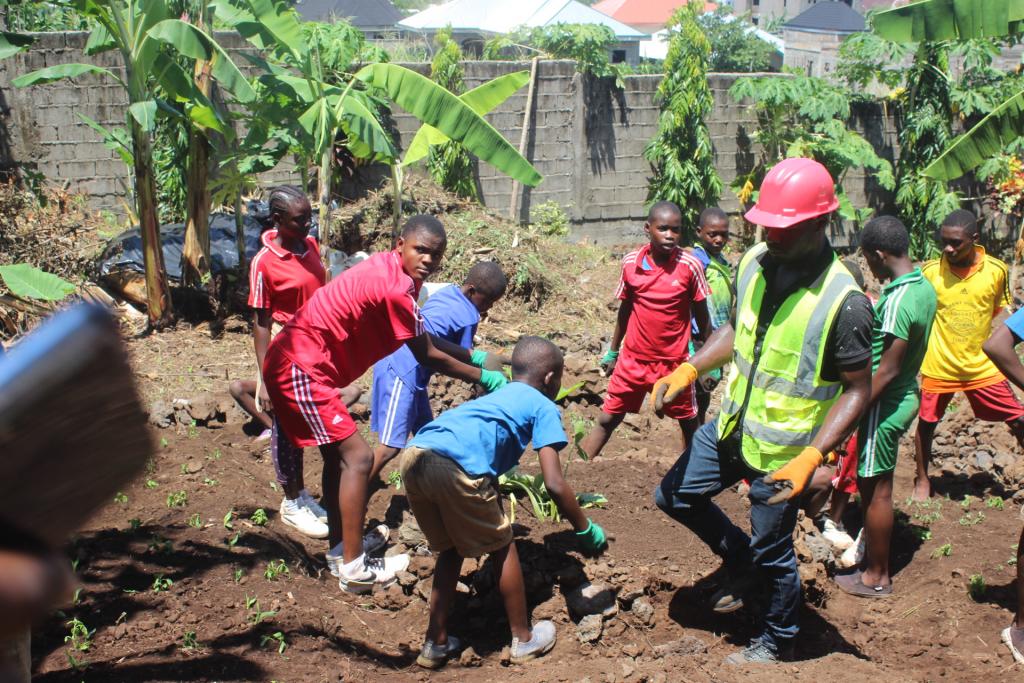
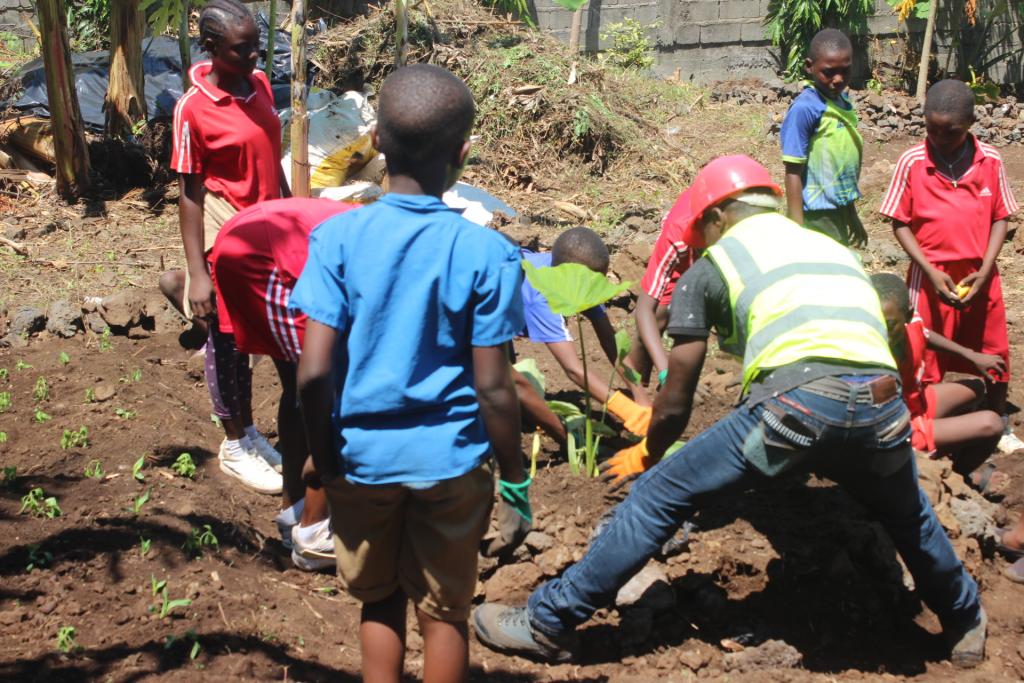
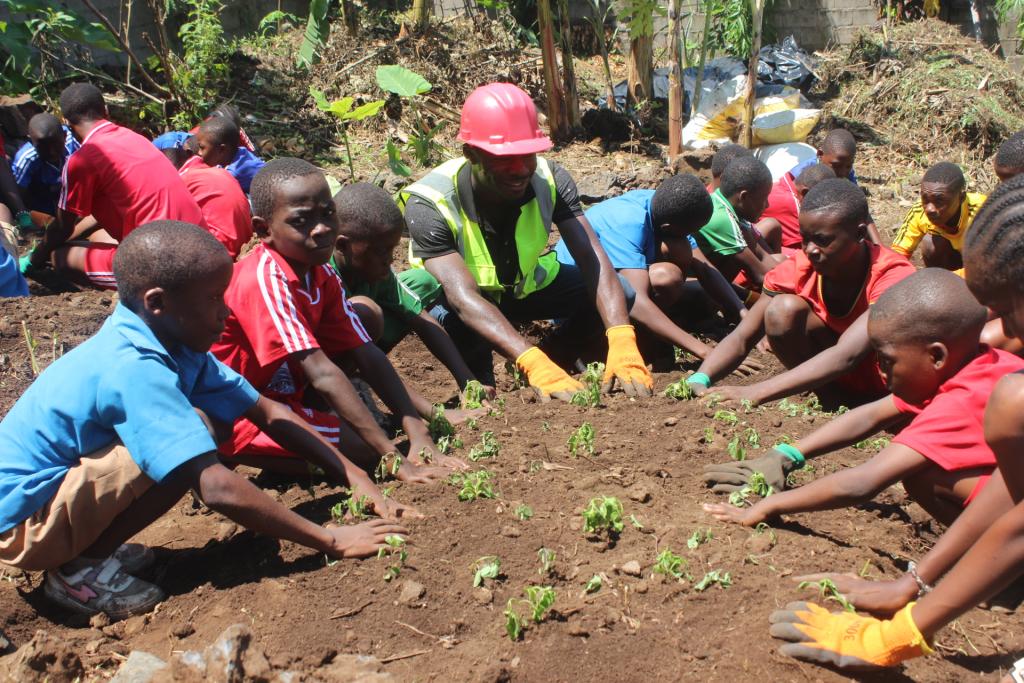
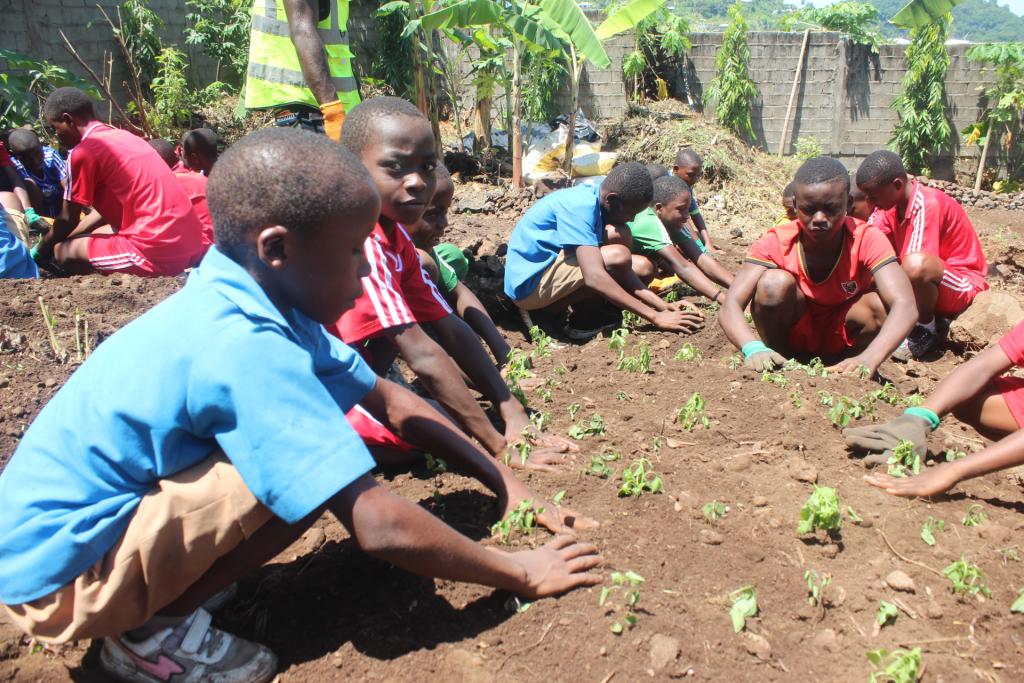
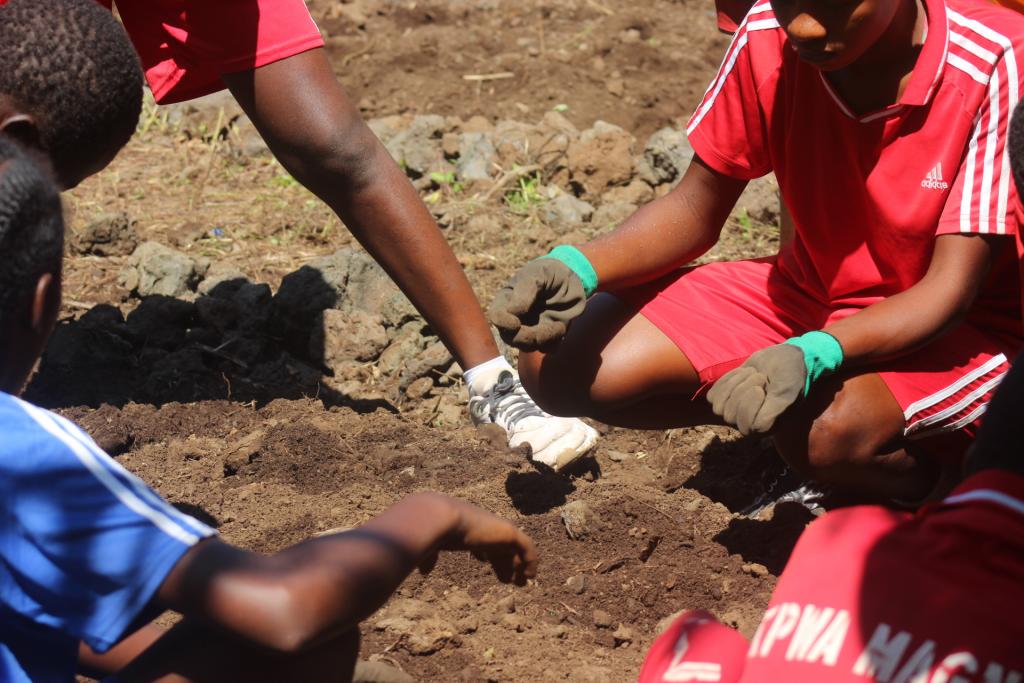
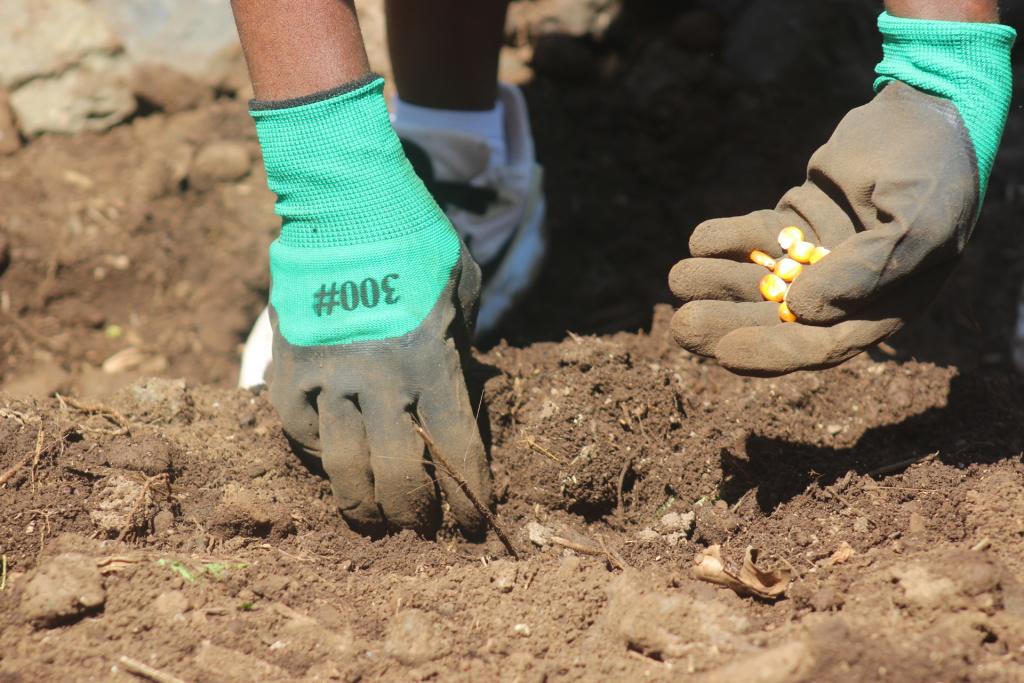
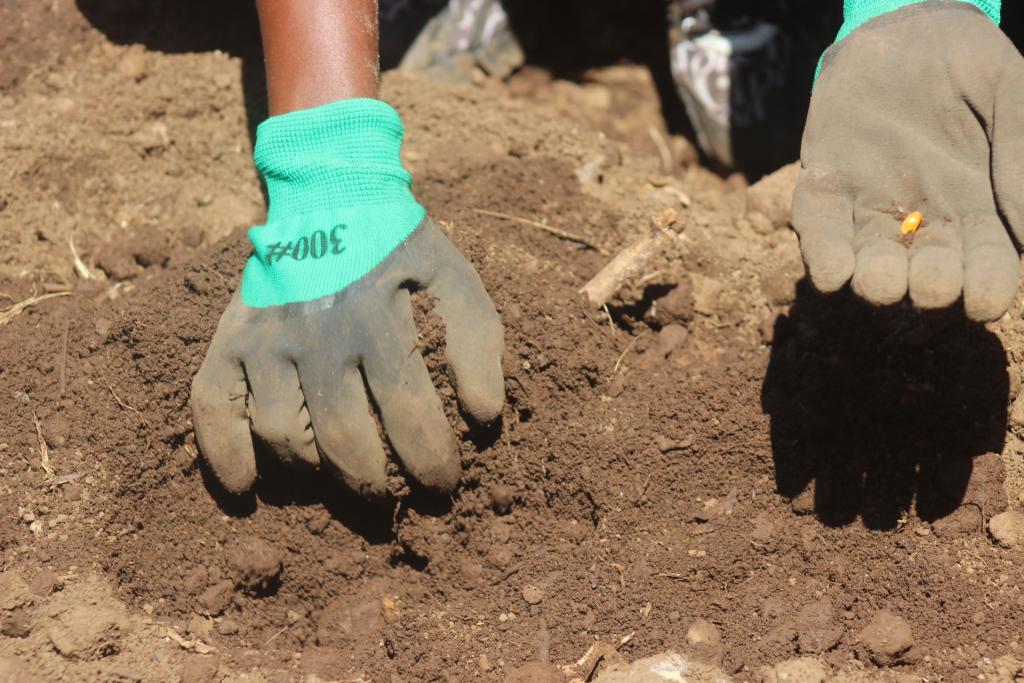
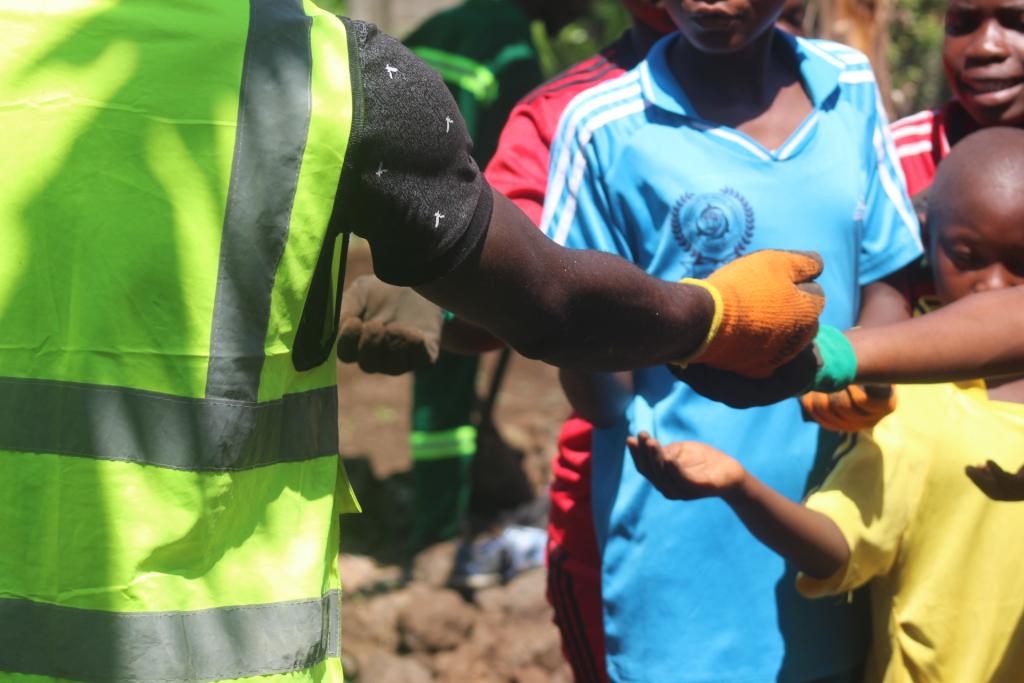
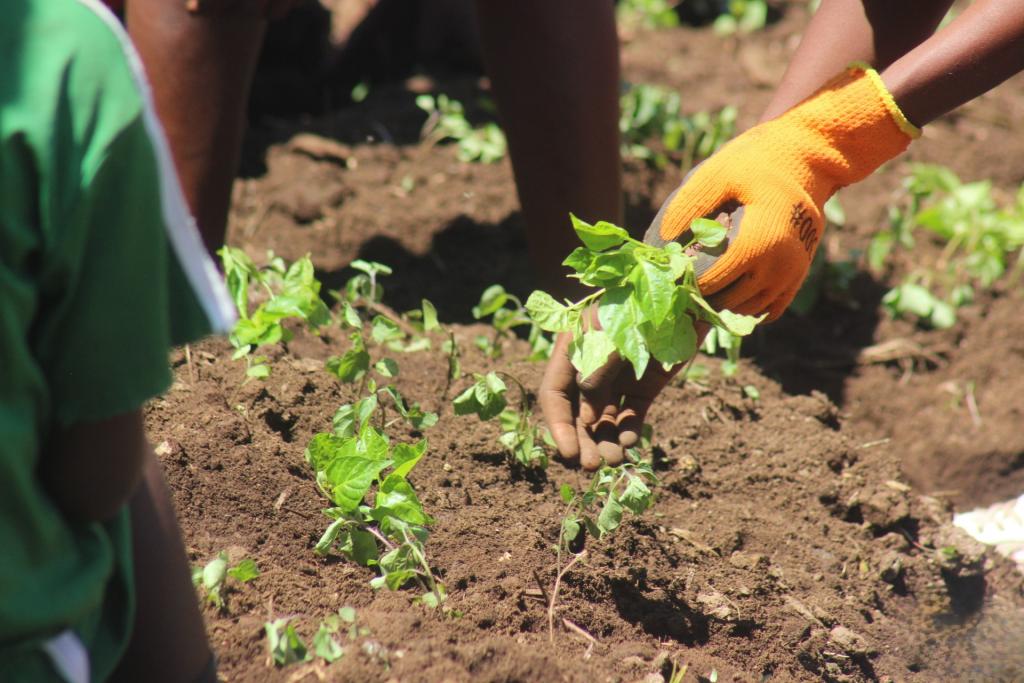
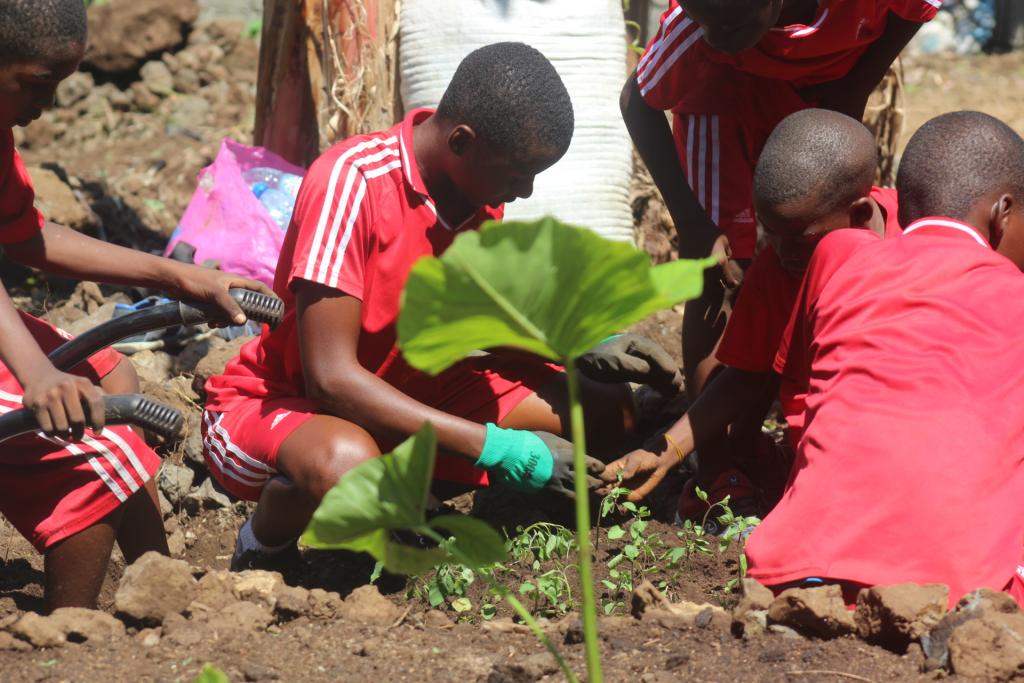
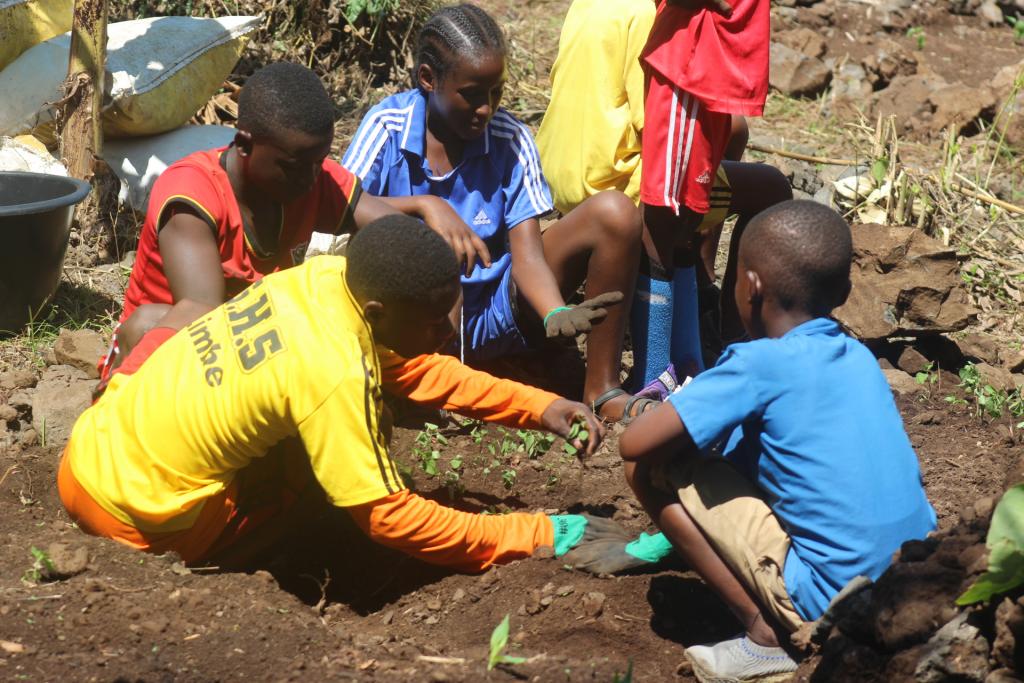
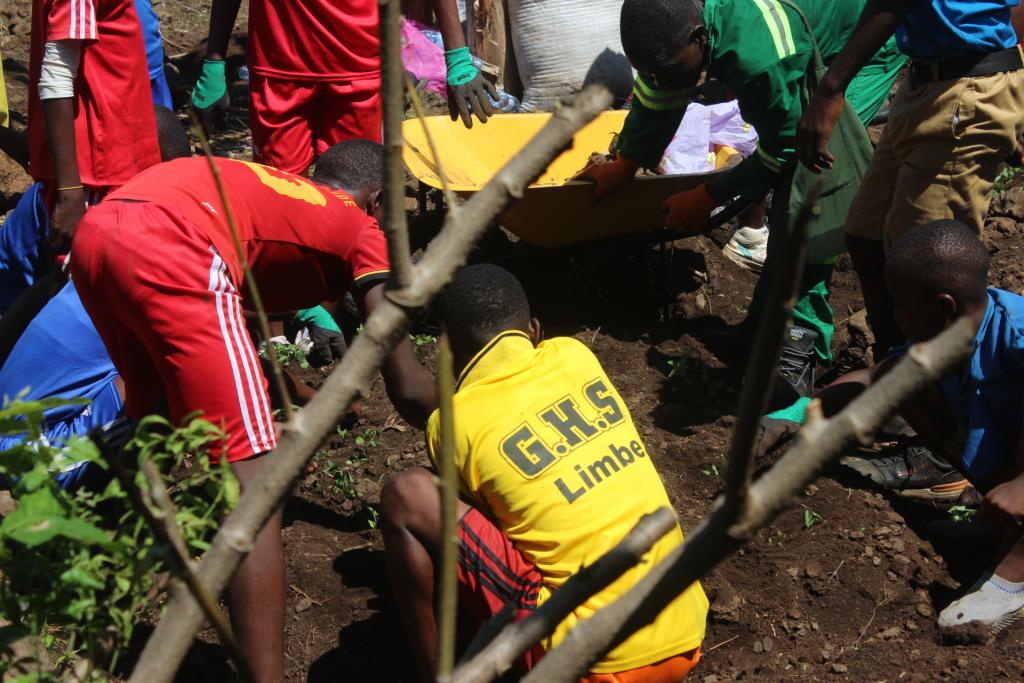
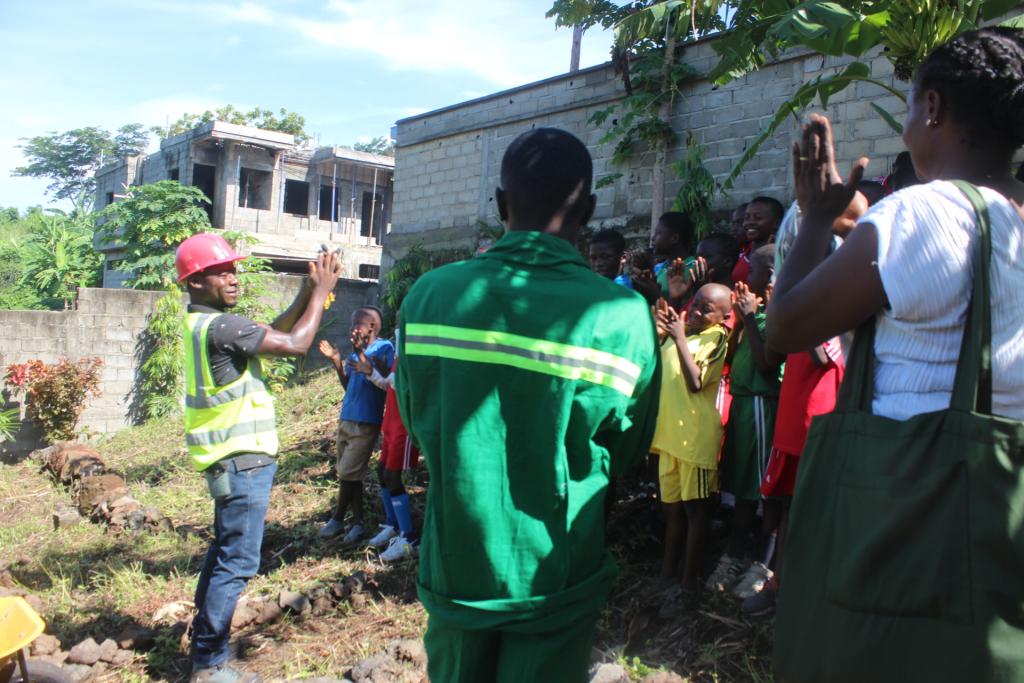
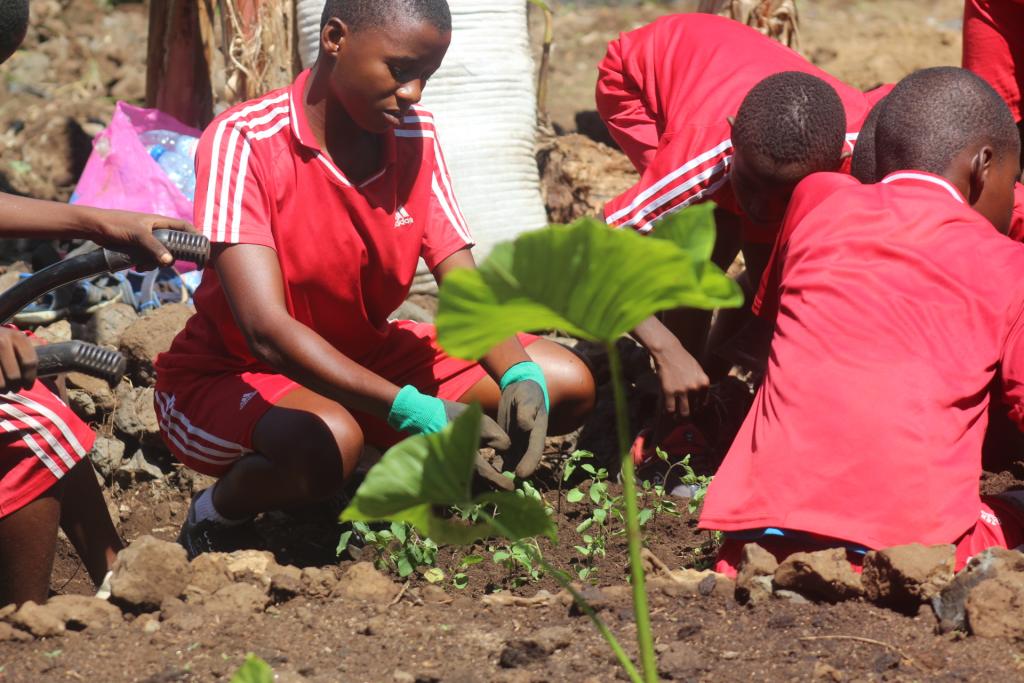
Through workshops, demonstrations, field observations, and practical activities, participants led by a team made of students from the agriculture department of the University of Buea are invited to learn from local farmers, agricultural practitioners, researchers, and community elders whose knowledge continues to play an essential role in sustaining rural livelihoods.
Regenerating Soil, Biodiversity, and Community
A central objective of the project is the regeneration of soil health and biodiversity. Healthy soils constitute the foundation of sustainable agriculture, yet many farming communities across Cameroon face increasing challenges associated with soil depletion, erosion, deforestation, and changing climatic conditions.
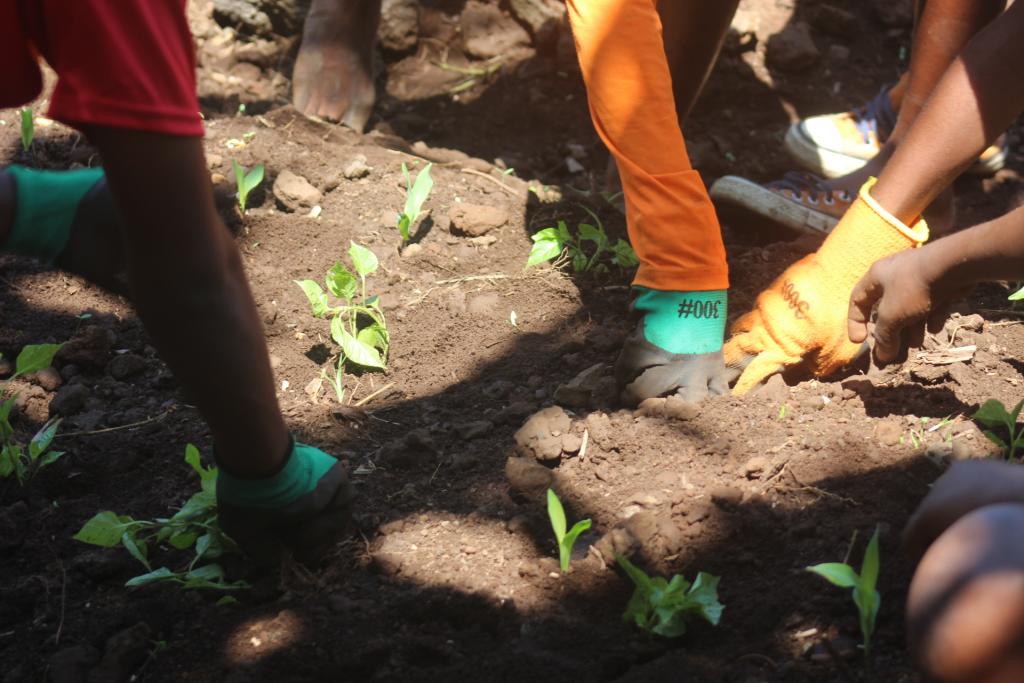
The project explored practical methods for restoring soil fertility through organic fertilisation and regenerative farming techniques. Particular attention is given to compost production using agricultural residues, household organic waste, animal manure, and locally available plant materials.
In addition to improving agricultural productivity, these practices contribute to environmental conservation by reducing waste, enhancing soil structure, increasing water retention, and supporting biodiversity.
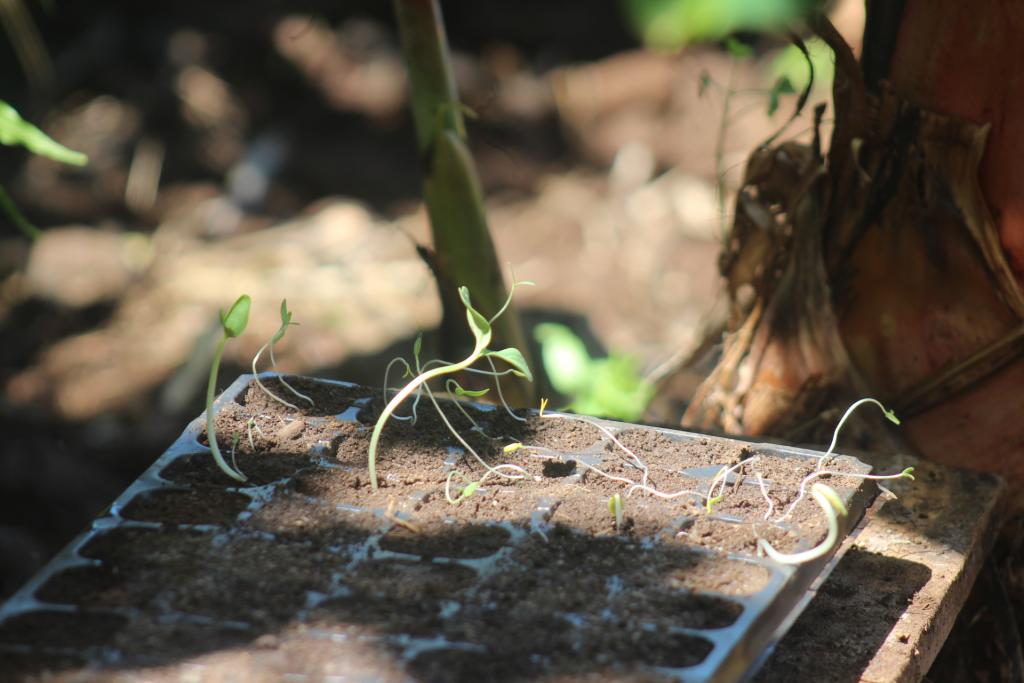
The project also promoted the cultivation of diverse crop species rather than dependence on monoculture systems, recognising biodiversity as a critical component of ecological resilience and long-term food security.
Food Sovereignty and Community Resilience
The Integrated Farming Project understands food sovereignty as the right of communities to define their own food systems, agricultural practices, and relationships to land. In this context, farming becomes not only a means of livelihood but also a form of cultural continuity, collective care, and community empowerment.
By encouraging local production, knowledge sharing, and sustainable resource management, the project sought to strengthen community resilience in the face of economic uncertainty, environmental change, and global food system vulnerabilities.
The project further explored how locally grounded agricultural practices can contribute to healthier diets, stronger local economies, and more equitable relationships between communities and their environments.
Documentation and Knowledge Transmission
As with other SAVVY Kwata initiatives, documentation formed an integral component of the project. Farming activities, workshops, interviews, field observations, cultivation processes, and participant reflections are documented through photography, video, audio recordings, field notes, and oral histories.
These materials contribute to the growing collections of the SAVVY Kwata Library of Lost and Found, creating a living archive of agricultural knowledge, ecological practices, and community experiences that remains accessible for future research, education, and public engagement.
Conclusion
Integrated Farming Project positioned agriculture as both a practical and intellectual space through which students and communities can engage critically with histories of colonial ecological transformation while cultivating alternative futures rooted in sustainability, care, and collective knowledge.
By bringing together farmers, researchers, practitioners, students, and community members, the project fostered dialogue between traditional knowledge systems and contemporary ecological approaches. In doing so, it contributed to the regeneration of local agricultural practices, the strengthening of food sovereignty, and the creation of more resilient and environmentally sustainable communities across Cameroon.