27 Mar – 2 May 2026
Project Trajectory
Mota Ok Ole Akowa—”The Person Who Learns Teaches“—is a community-centred knowledge exchange project developed within the framework of Connected Camero(o/u)n, a collaborative initiative run by the Goethe-Institut Kamerun, funded by the German Federal Foreign Office. It serves as a national networking platform for associations, start-ups, and founders active in education, arts, and digital technology across the country.
Rooted in the philosophy of SAVVY Kwata – Library of Lost and Found, the project departs from the understanding that knowledge is not merely contained in books, institutions, or formal educational systems. Knowledge also resides in gestures, materials, landscapes, memories, oral traditions, and the lived experiences of communities themselves. Learning, therefore, becomes a reciprocal process in which every participant is simultaneously a learner and a teacher.
The project emerged from a desire to create spaces of exchange grounded in land-based knowledge, collective learning, ecological awareness, and community participation. Rather than approaching knowledge as something extracted, documented, and redistributed from above, Mota Ok Ole Akowa has developed as a process of listening, co-creation, mobility, and transmission between territories in the Northwest and Southwest regions of Cameroon.
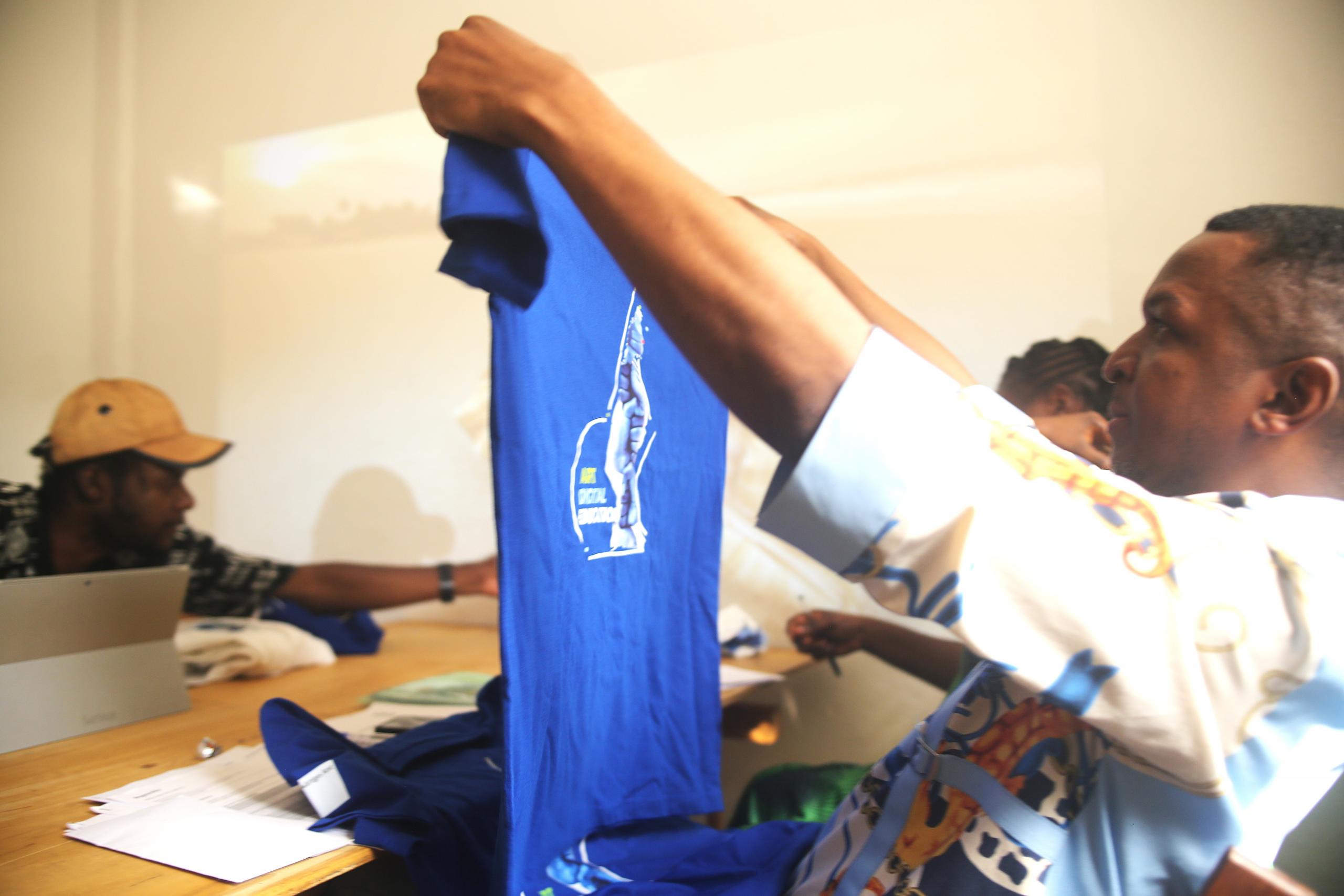
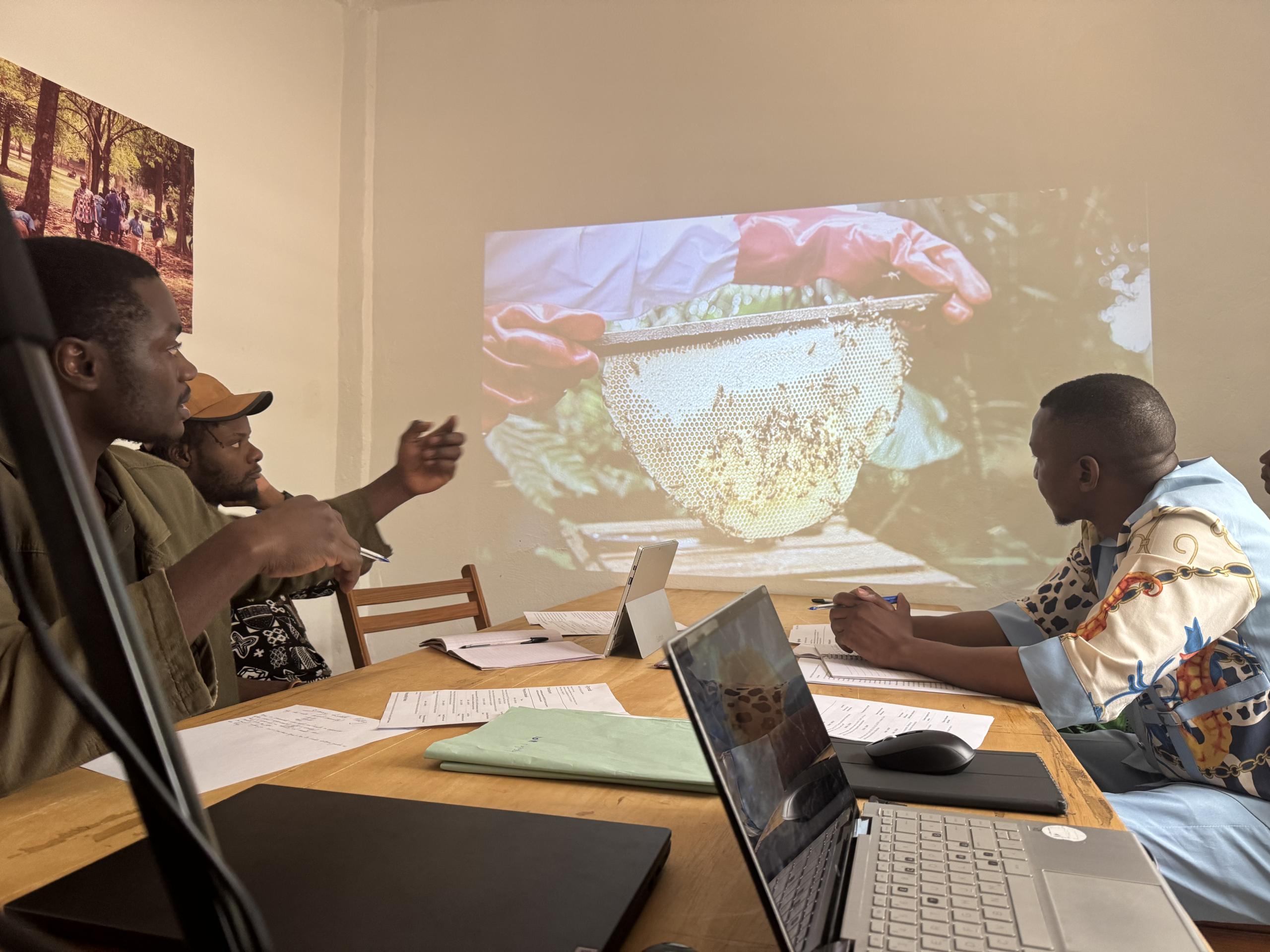
A Network of Partnerships
The project is built upon a collaborative framework involving cultural practitioners, local communities, ecological initiatives, educators, researchers, and partner organisations.
SAVVY Kwata – Library of Lost and Found
SAVVY Kwata serves as a platform for artistic research, community engagement, documentation, archiving, and public programming. Through its commitment to preserving and activating knowledge systems, SAVVY Kwata facilitates encounters between practitioners, communities, and institutions.
BERUDA
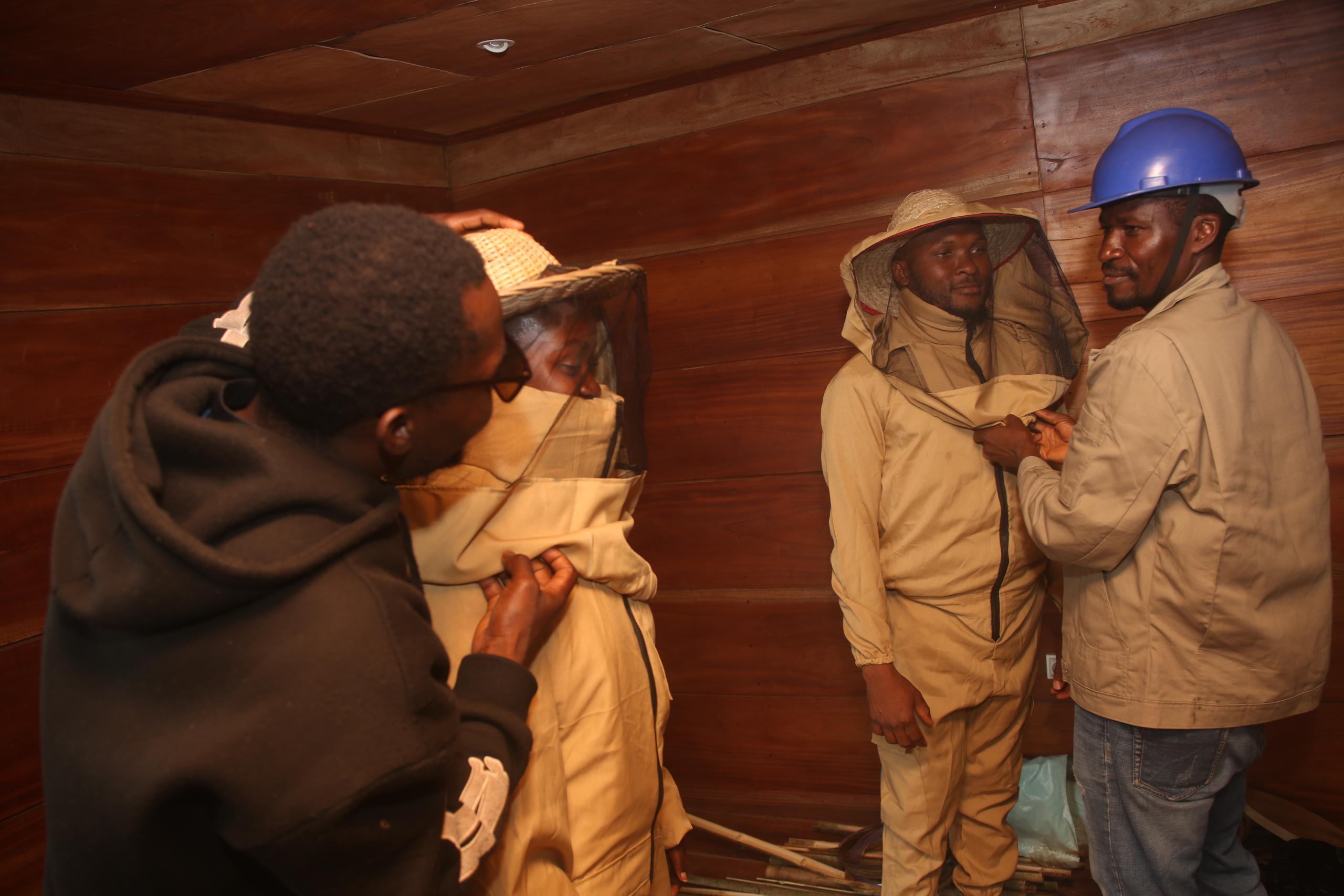
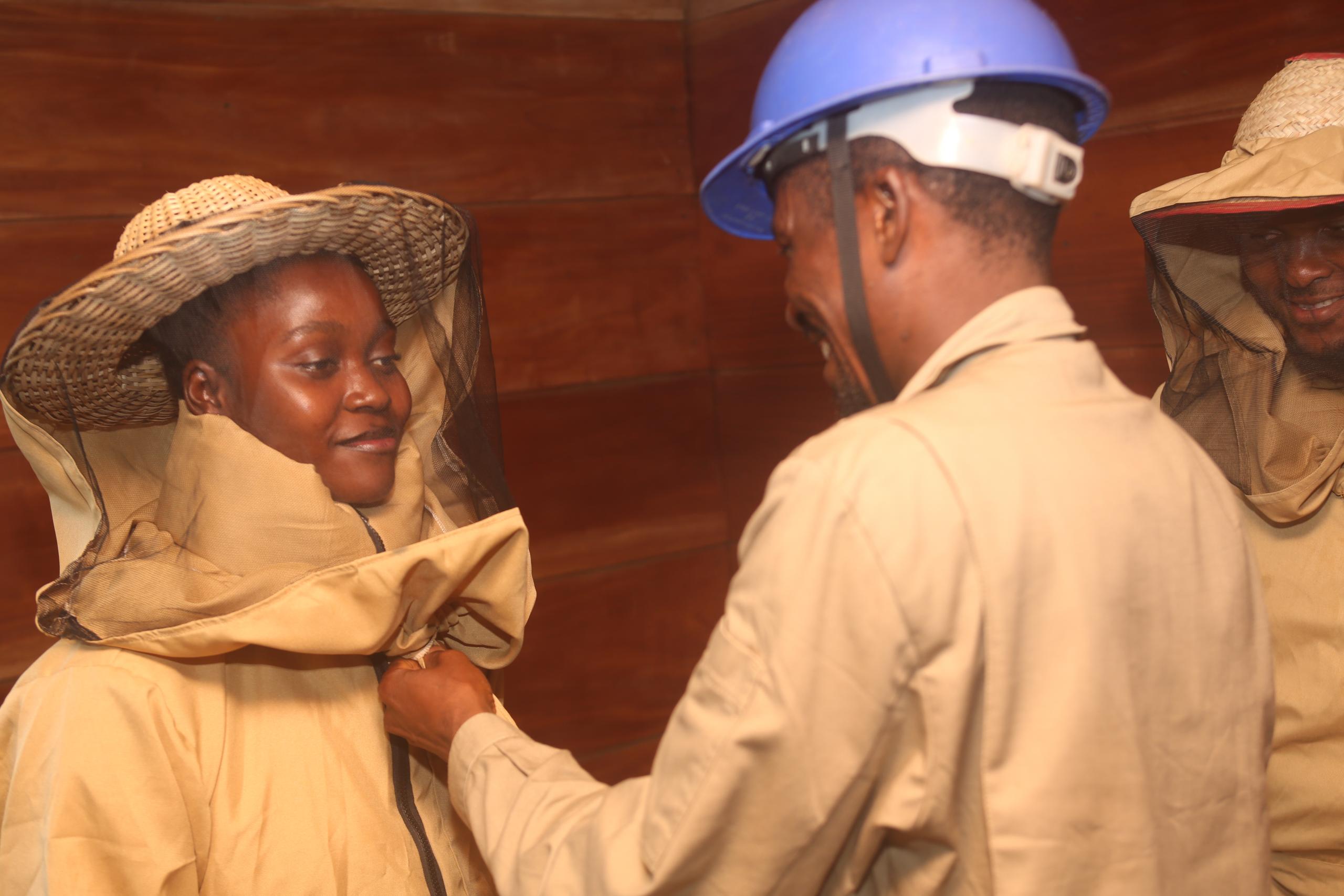
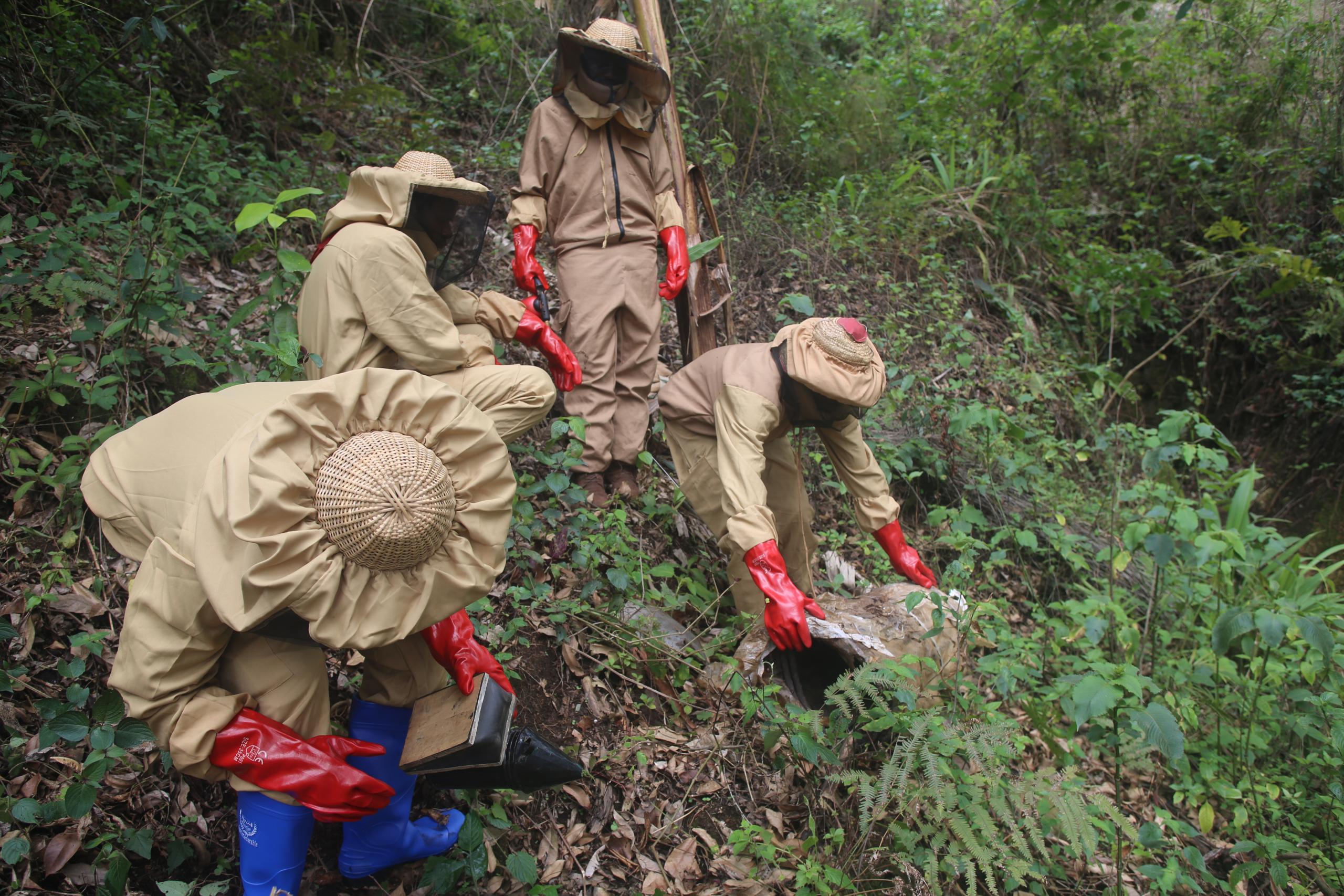
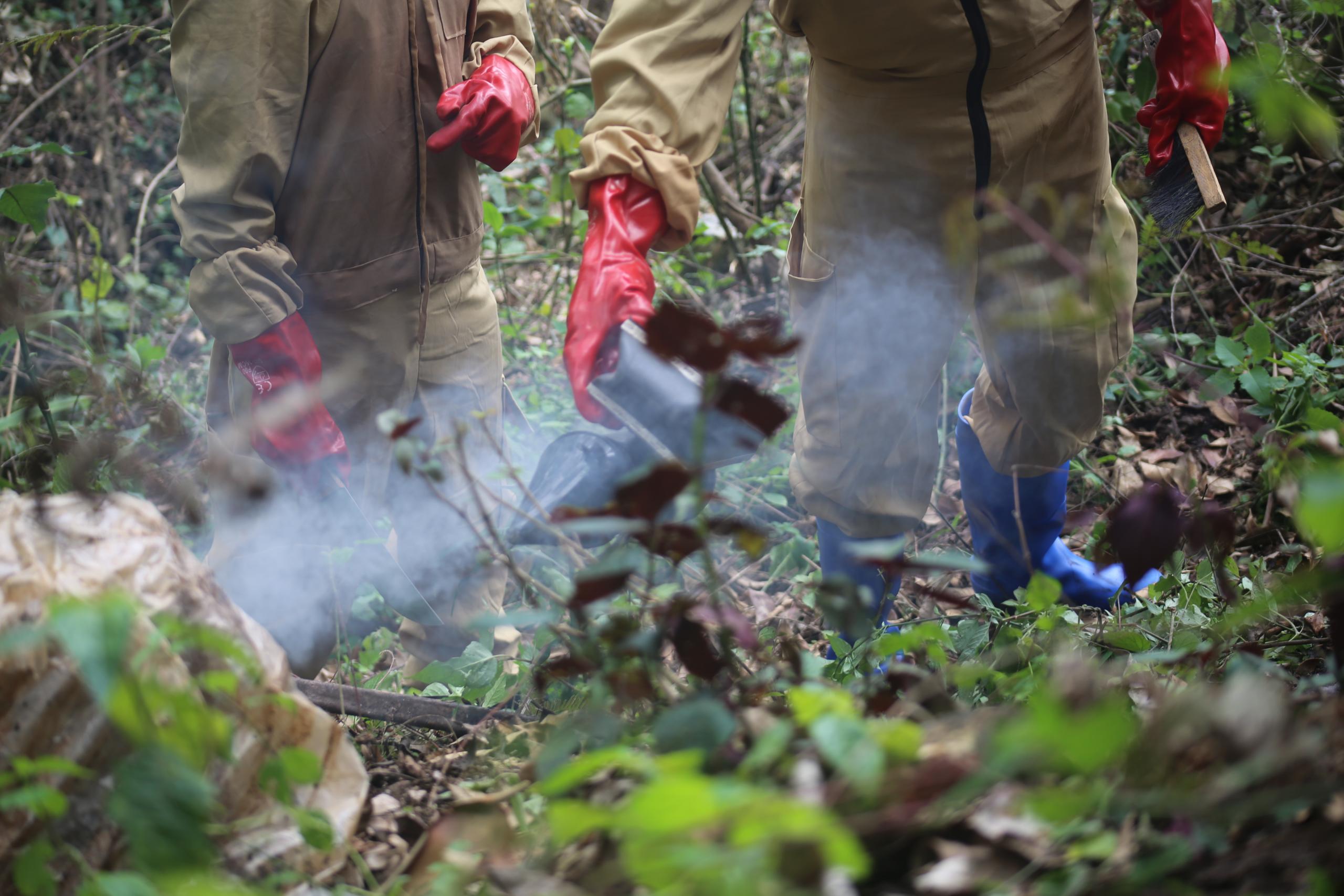
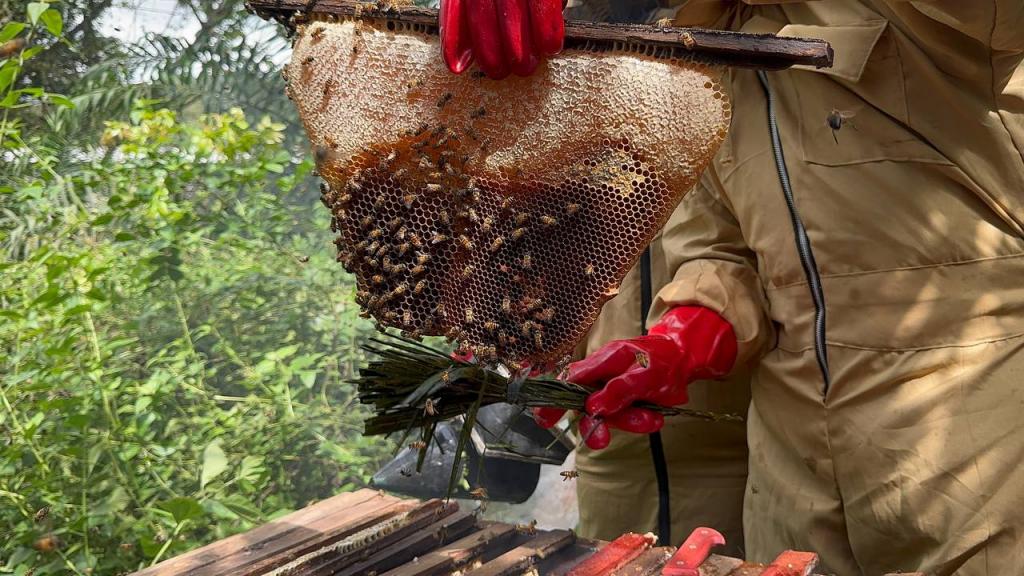
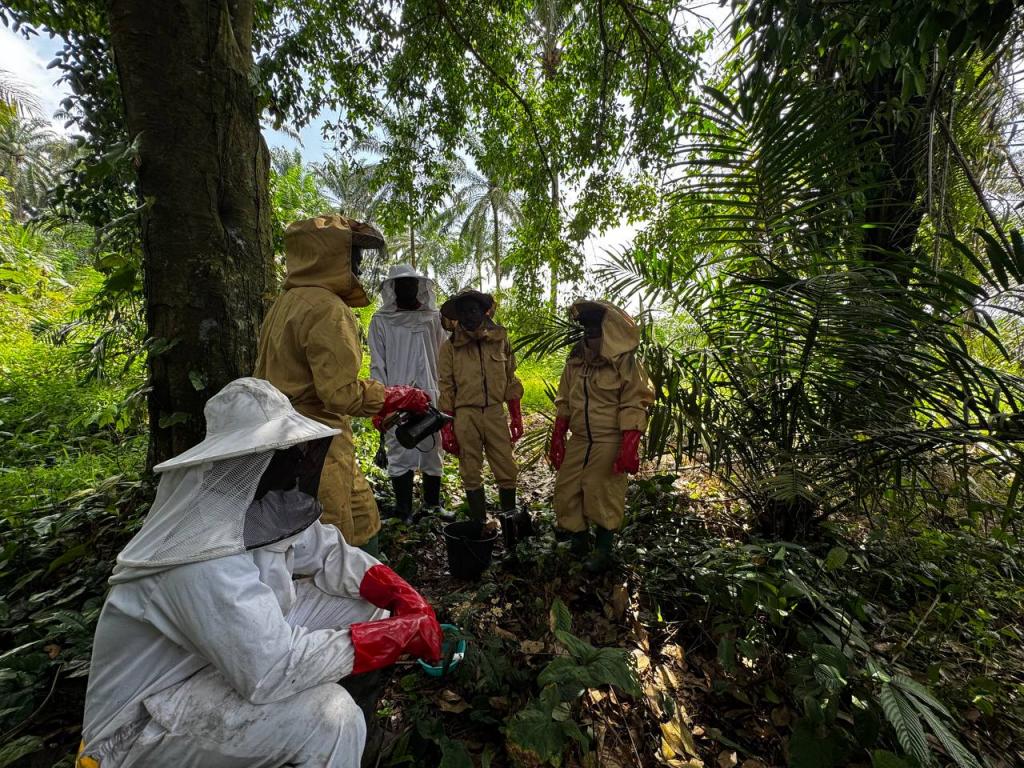
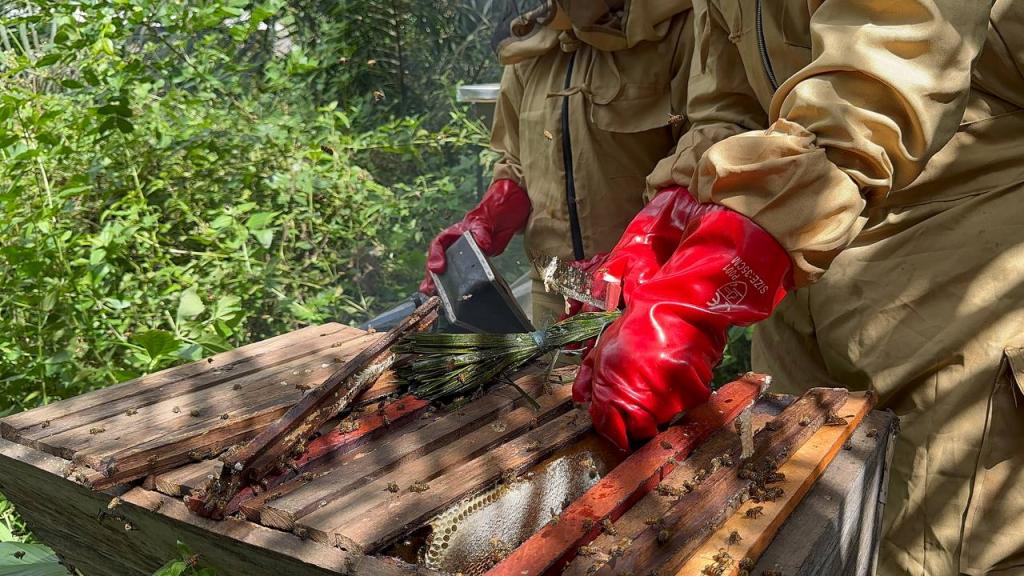
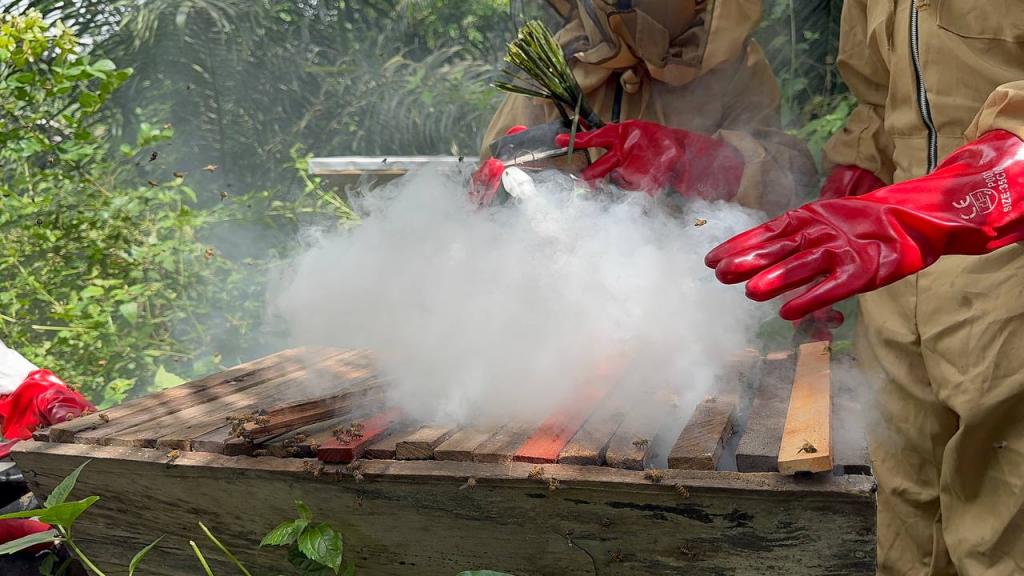
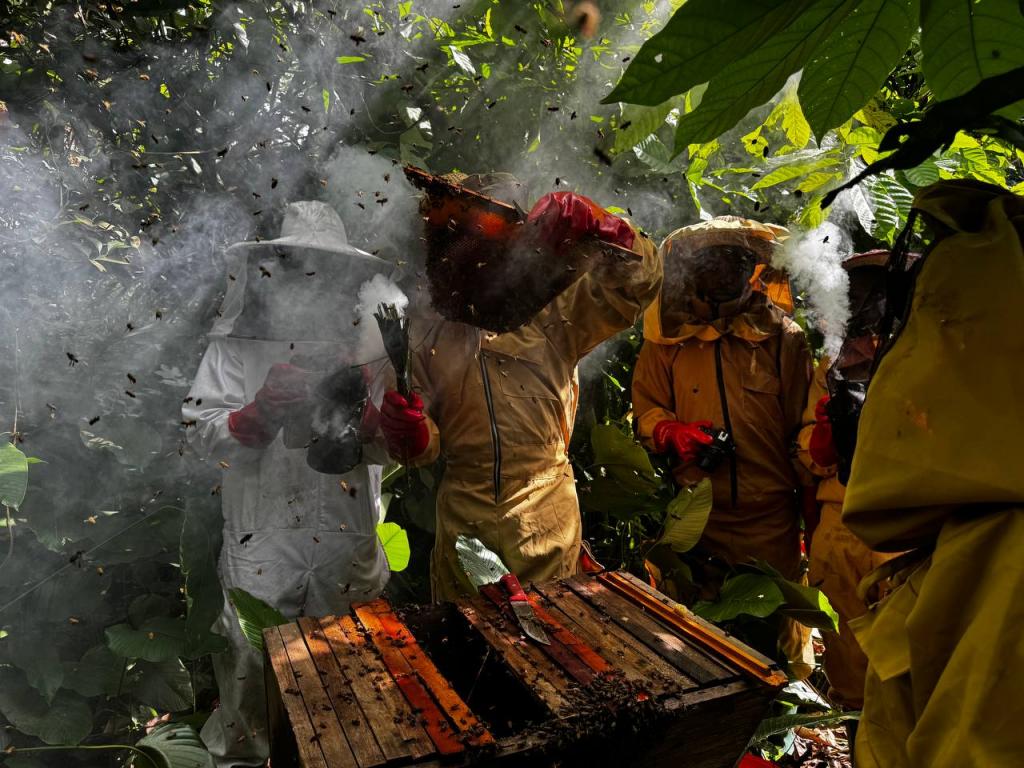
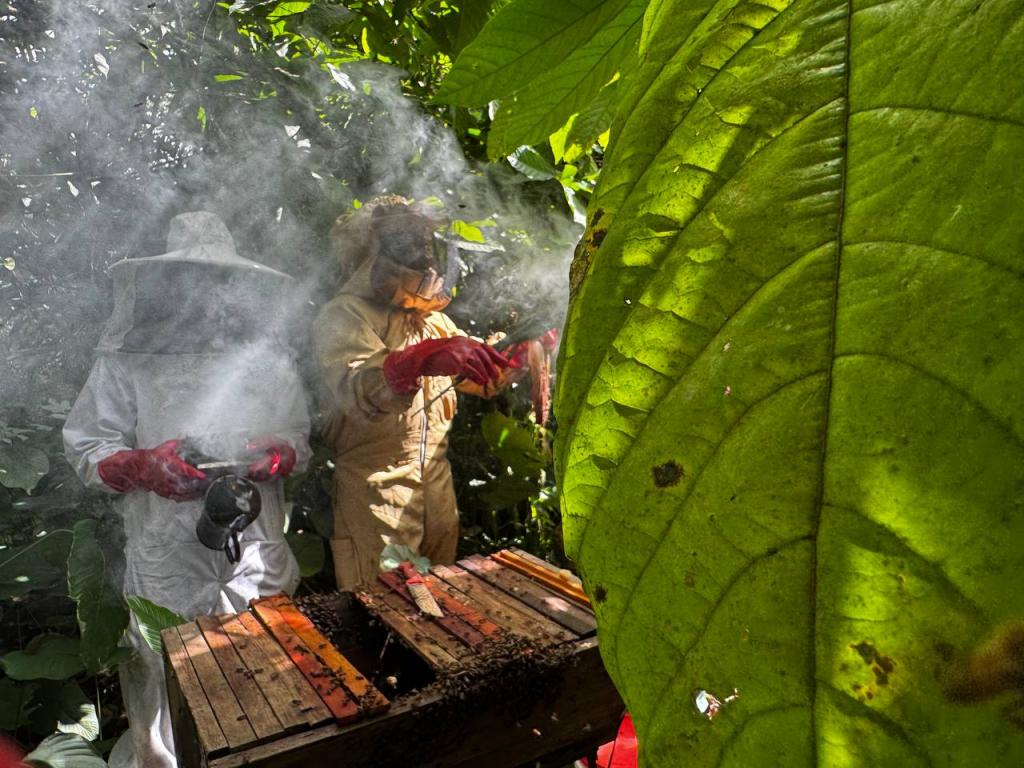
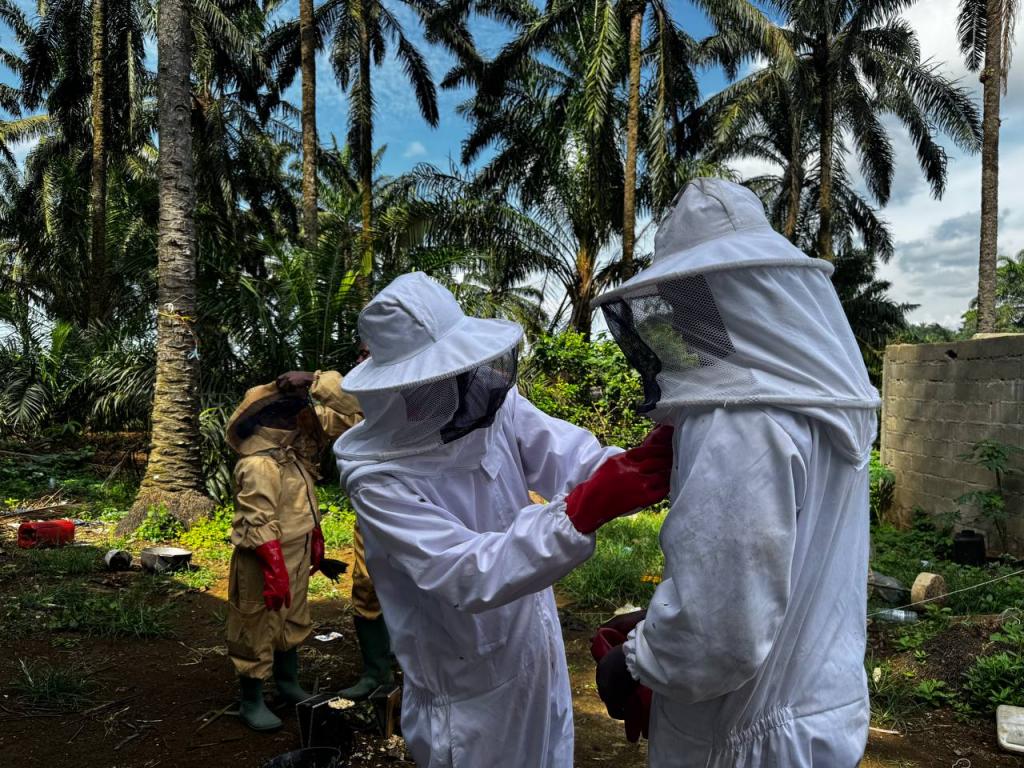
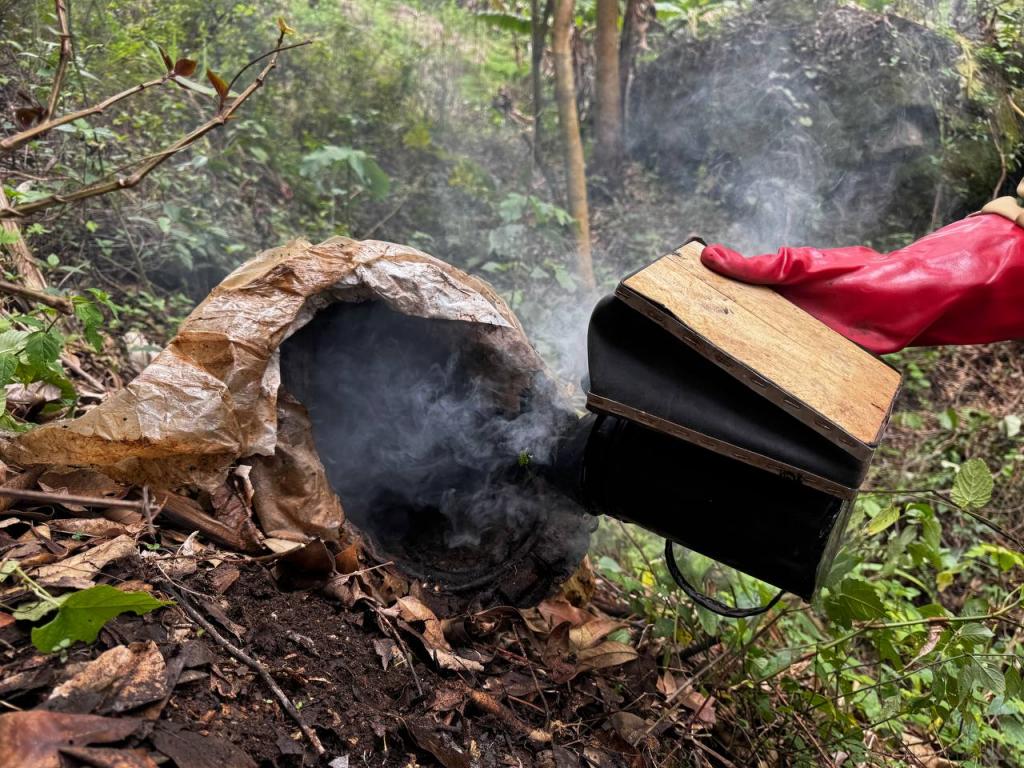
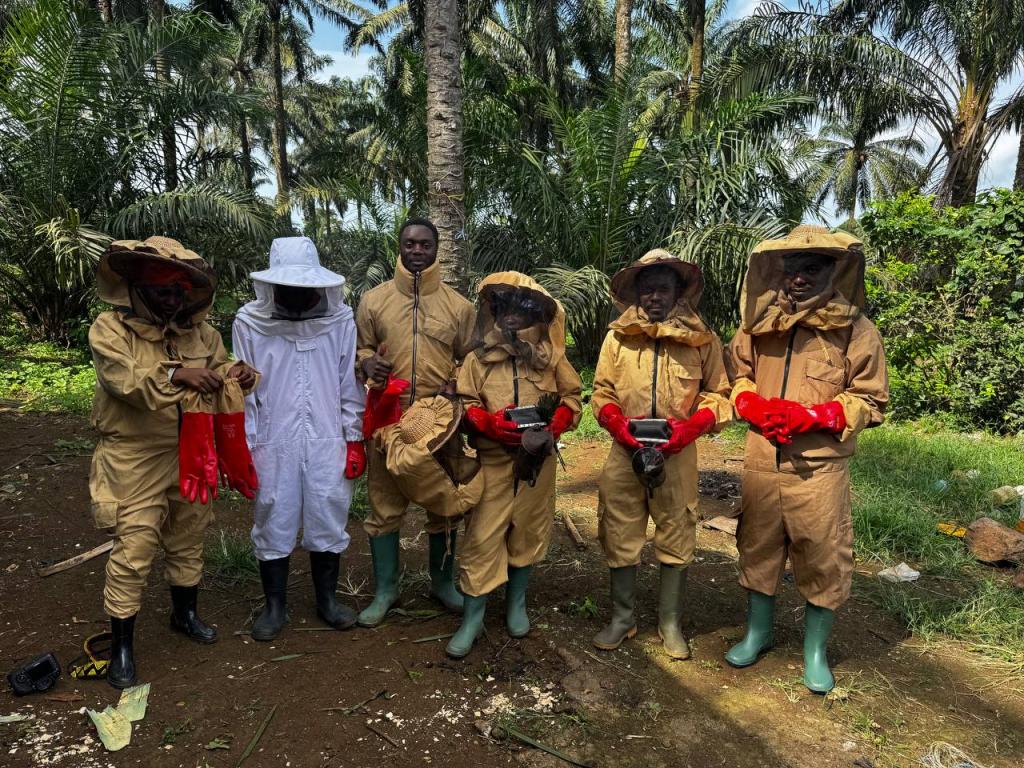
BERUDA contributes expertise in ecological farming, sustainable agriculture, beekeeping, biodiversity preservation, and community-centred environmental practices. Through farm visits and practical demonstrations, BERUDA creates opportunities for participants to engage directly with ecological knowledge and sustainable livelihood practices.
ANDIMAN
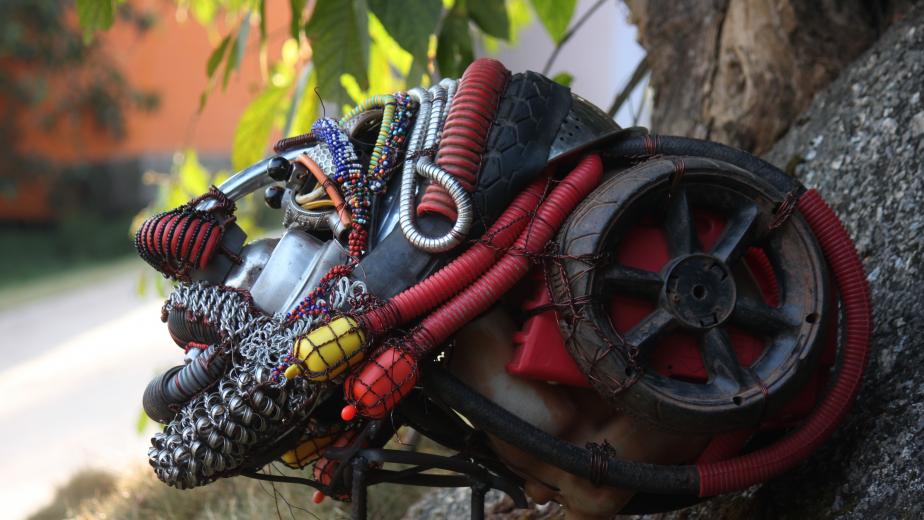
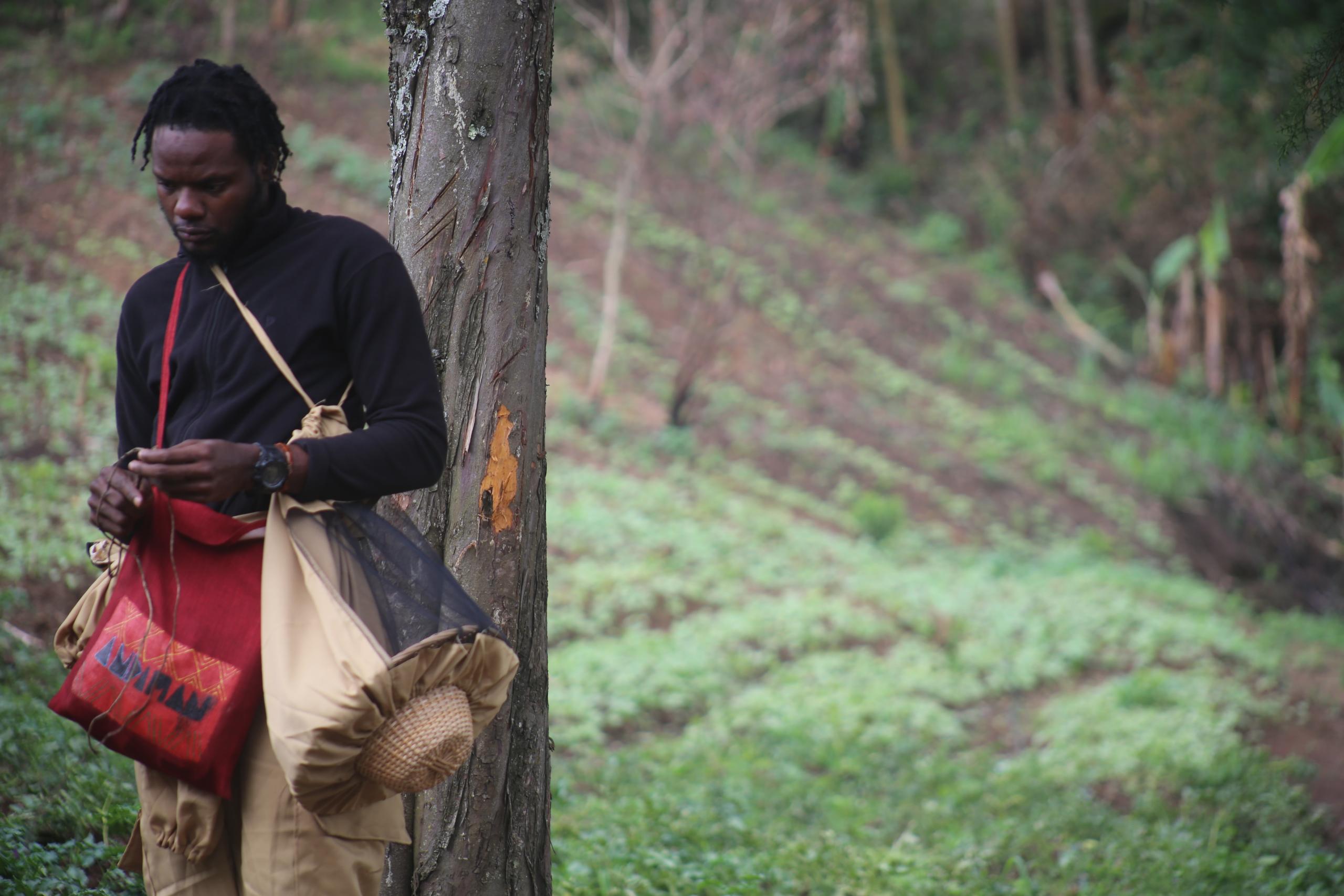
ANDIMAN brings knowledge and methodologies connected to recycling, upcycling, eco-art practices, material transformation, and sculptural experimentation. Its contribution expands the project’s engagement with environmental sustainability and creative responses to waste management.
Together, these partners operate through shared decision-making, continuous dialogue, and collective responsibility. The project evolves through movement between territories, mutual support, and the circulation of knowledge, skills, and experiences.
What Has Been Achieved So Far
Since its launch in January 2026, SAVVY Kwata team has undertaken several exploratory visits to the Southwest, especially to Buea, to establish a knowledge system for apiculture and an art tour in Yaoundé for research purposes. The project has implemented a significant number of activities in Bamenda, Buea, Limbe, Yaoundé, and the surrounding area.
Activities have included:
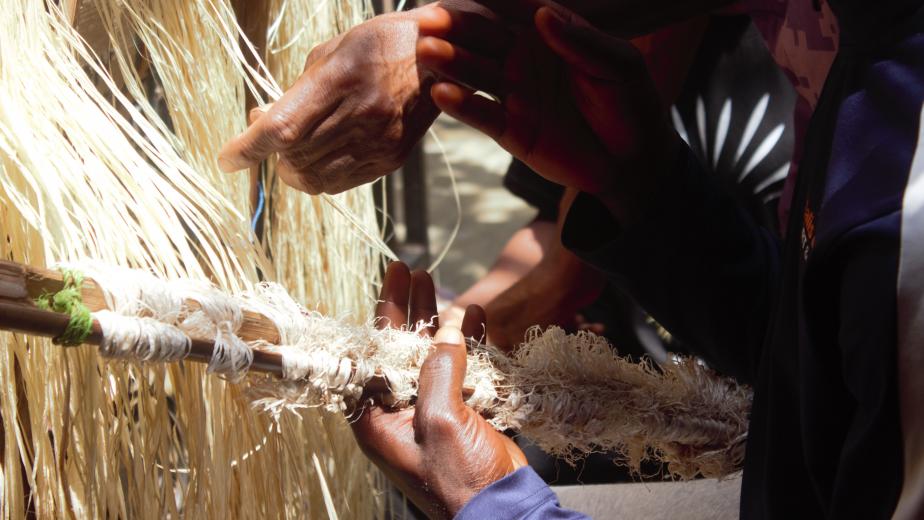
- Workshops on weaving, craft-making, and material practices;
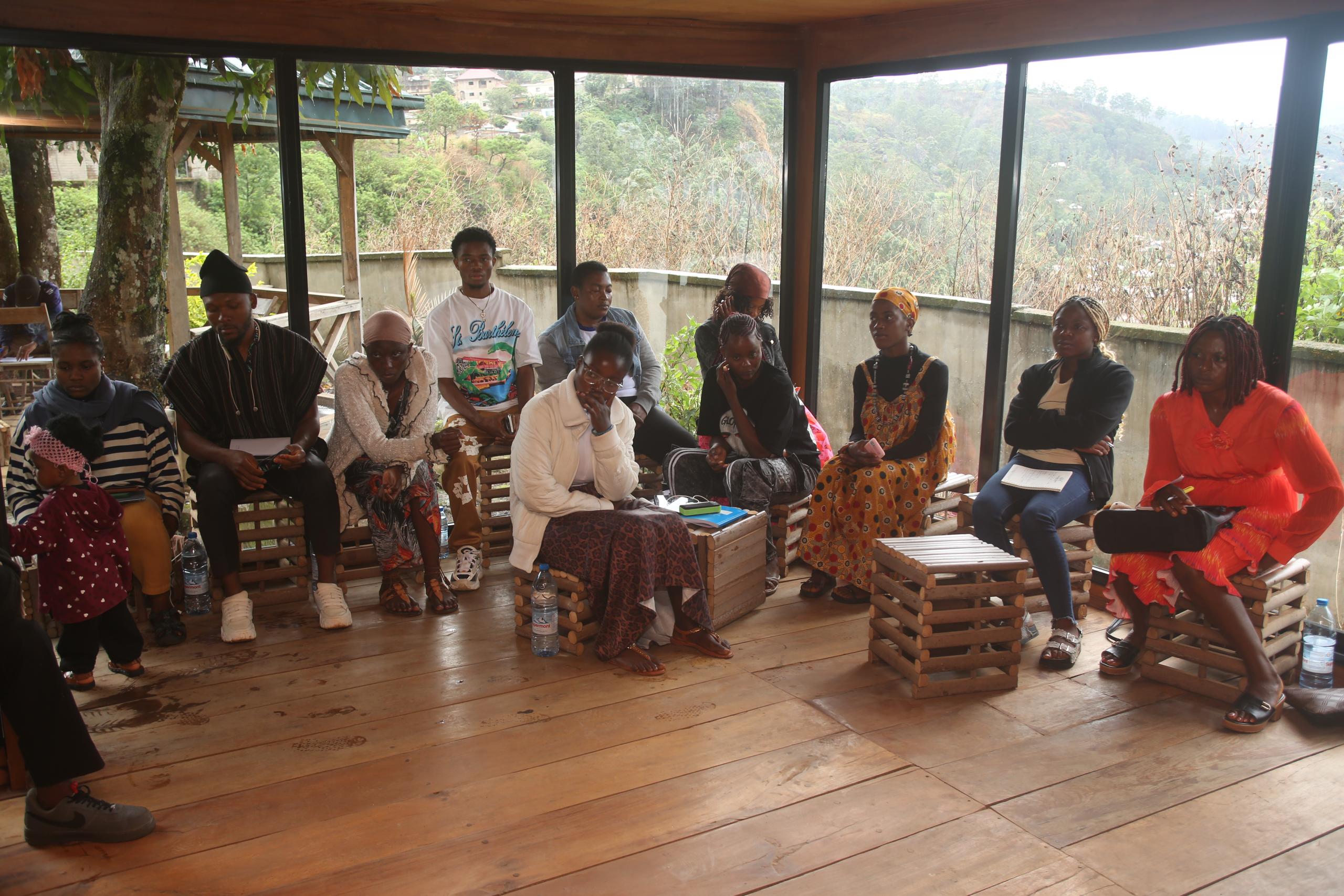
- Storytelling sessions and intergenerational dialogues in Bamenda and Limbe;
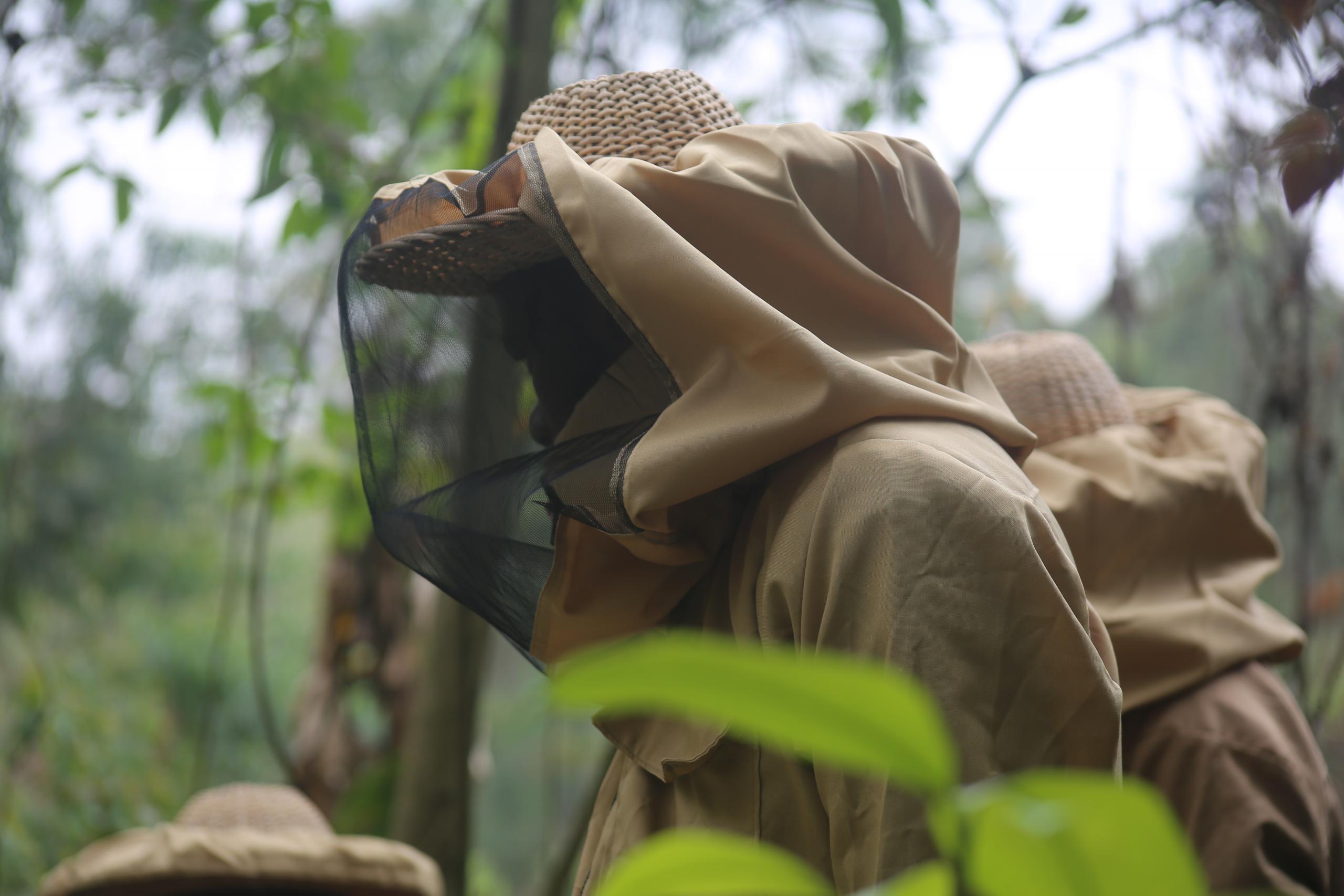
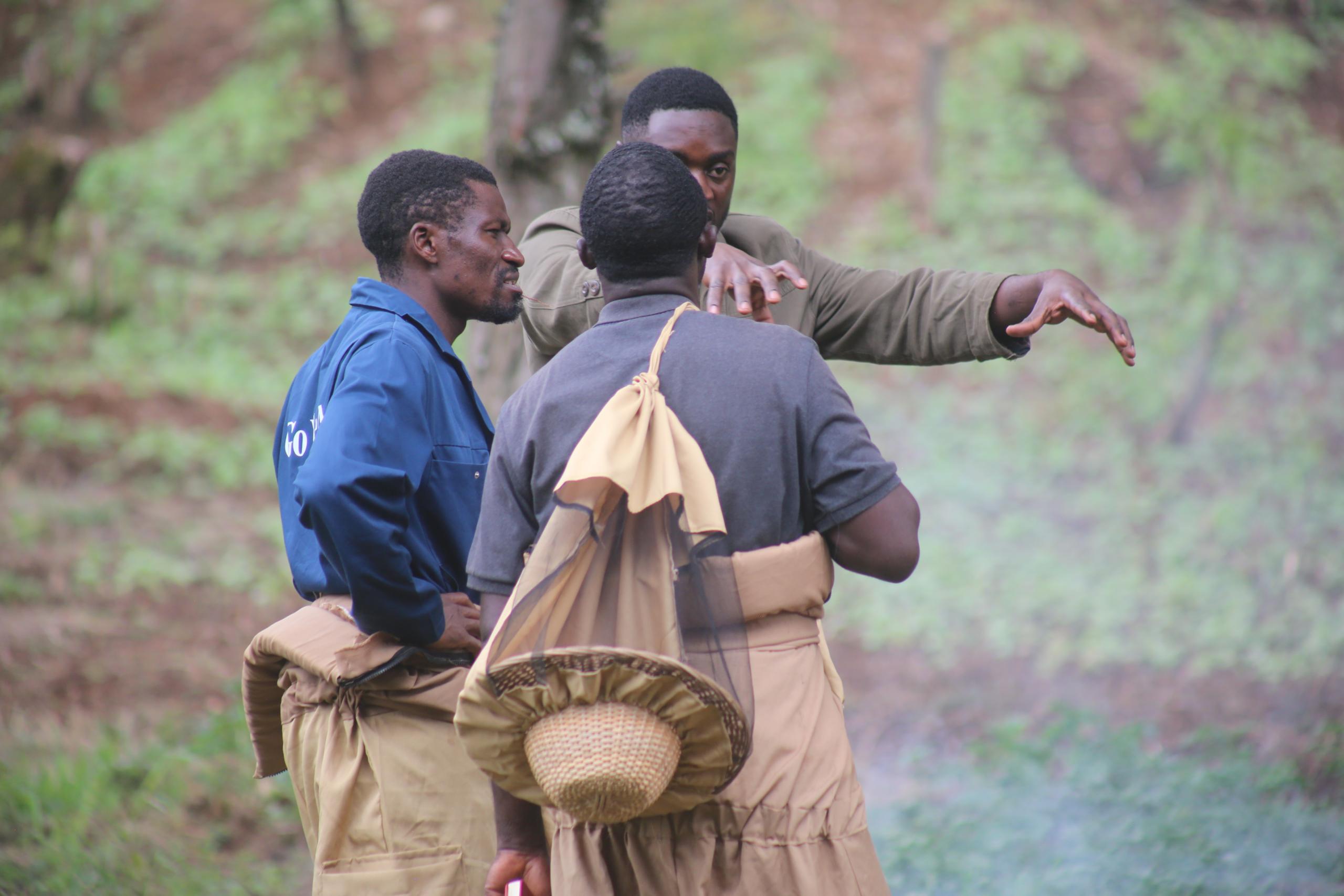
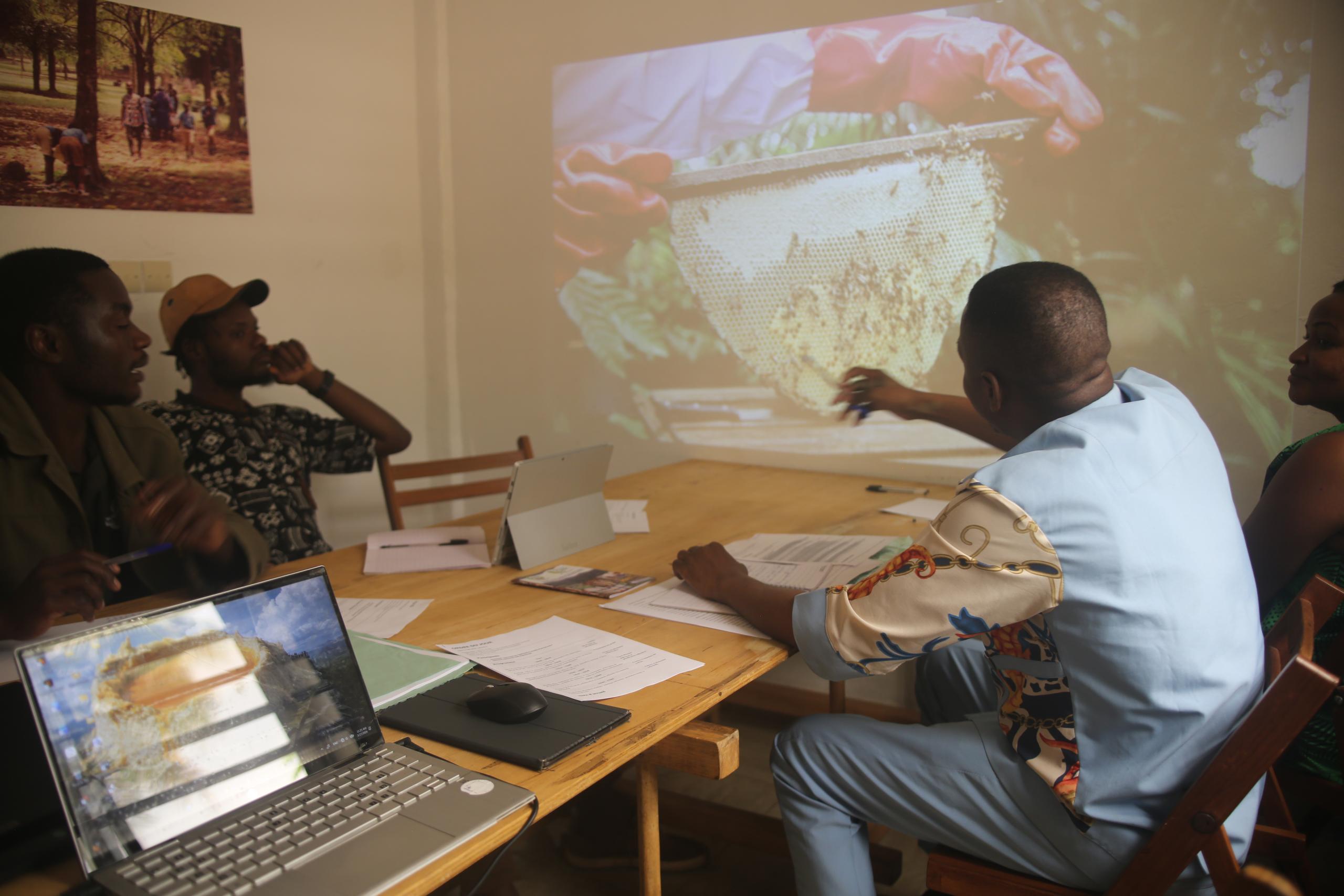
- Beekeeping exchanges and ecological learning encounters in Buea, Bamenda, and Limbe;
- Collaborative artistic and educational activities involving youth, students, practitioners, and community members;
- Farm visits and practical demonstrations focused on sustainable agriculture;
- Photography, video, and oral-history documentation processes;
- Public presentations and community-based knowledge-sharing sessions in Bamenda and Limbe.
These activities have strengthened existing relationships between artists, farmers, beekeepers, educators, professors, craftspeople, students, pupils, researchers, and cultural practitioners across different regions of Cameroon.
Knowledge Exchange as Curatorial Practice
At the heart of the project lies the conviction that practice itself is a form of knowledge production.
Participants engage with practitioners whose expertise emerges from lived experience and long-term relationships with specific materials, environments, and cultural traditions. Farmers, weavers, beekeepers, artisans, storytellers, and elders become educators whose knowledge contributes to contemporary discussions on sustainability, cultural preservation, and community resilience.
This approach resonates with the reflections of Cameroonian thinkers such as Engelbert Mveng and Bernard Nsokika Fonlon, who viewed cultural knowledge as an essential resource for social transformation, dignity, and collective self-determination.
Communities and Beneficiaries
The project engages a wide range of participants, including:
- Young people and students from Oku, Bamenda, and the Mokwe community in Limbe;
- Practitioners and craftspeople;
- Farmers and beekeepers;
- Artists and cultural workers;
- Community elders and knowledge holders;
- Researchers, educators, and university students;
- Local communities connected to the project’s territories.
Importantly, participants are not considered beneficiaries in a passive sense. They actively contribute knowledge, experiences, stories, and skills that shape the direction and outcomes of the project.
Documentation and the Living Archive
Documentation is a central component of the project.
Through photography, video, interviews, field notes, oral histories, and process documentation, the project contributes to the development of a growing archive within the Library of Lost and Found.
Rather than functioning as a static repository, the archive is conceived as a living resource that continues to generate learning, research, and future collaborations. It preserves not only outcomes but also processes, relationships, and forms of knowledge that often remain undocumented.
Community Collaboration and Local Participation
Collaboration with local authorities, schools, community leaders, practitioners, and residents has been fundamental to the project’s implementation.
Activities have been preceded by consultations and discussions designed to ensure that communities remain central to decision-making processes. Many of the workshops and exchanges emerged directly from conversations with practitioners and participants themselves, reinforcing the project’s commitment to community-led development.
Challenges and Adaptation
Like many community-based initiatives operating across multiple territories, the project has faced challenges, including:
- Transportation and logistical constraints;
- Delays in materials and production processes;
- Coordination across regions and schedules;
- Balancing documentation with implementation activities.
These challenges have been addressed through flexibility, collective problem-solving, and strong collaboration between project partners and participating communities.
Next Steps
While a substantial portion of the groundwork has been completed—including consultations, workshops, ecological exchanges, practical training sessions, field visits, and documentation processes—the project continues to evolve.
The next phase focuses on:
- Expanding workshops and public programmes;
- Deepening community participation;
- Developing exhibitions and public presentations;
- Strengthening documentation and archiving systems;
- Building sustainable knowledge-sharing platforms;
- Consolidating long-term networks between participating territories.
For the project partners, Connected Camero(o/u)n is not an endpoint but a foundation for future collaboration.
Towards Sustainable Knowledge Infrastructures
The long-term vision of Mota Ok Ole Akowa is the creation of sustainable spaces for learning, artistic experimentation, ecological education, and community exchange.
Through mobile learning platforms, practitioner residencies, exhibitions, archives, workshops, and public encounters, the project seeks to ensure that knowledge continues to circulate between generations and communities.
Ultimately, Mota Ok Ole Akowa reminds us that the person who learns teaches, and the person who teaches continues to learn.