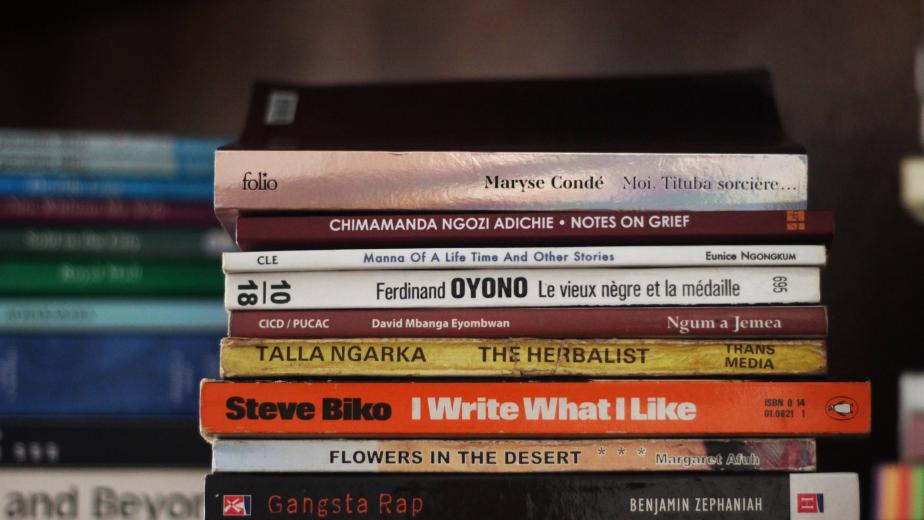
SAVVY Kwata Book Clubs: Reading as Encounter, Knowledge as Commons
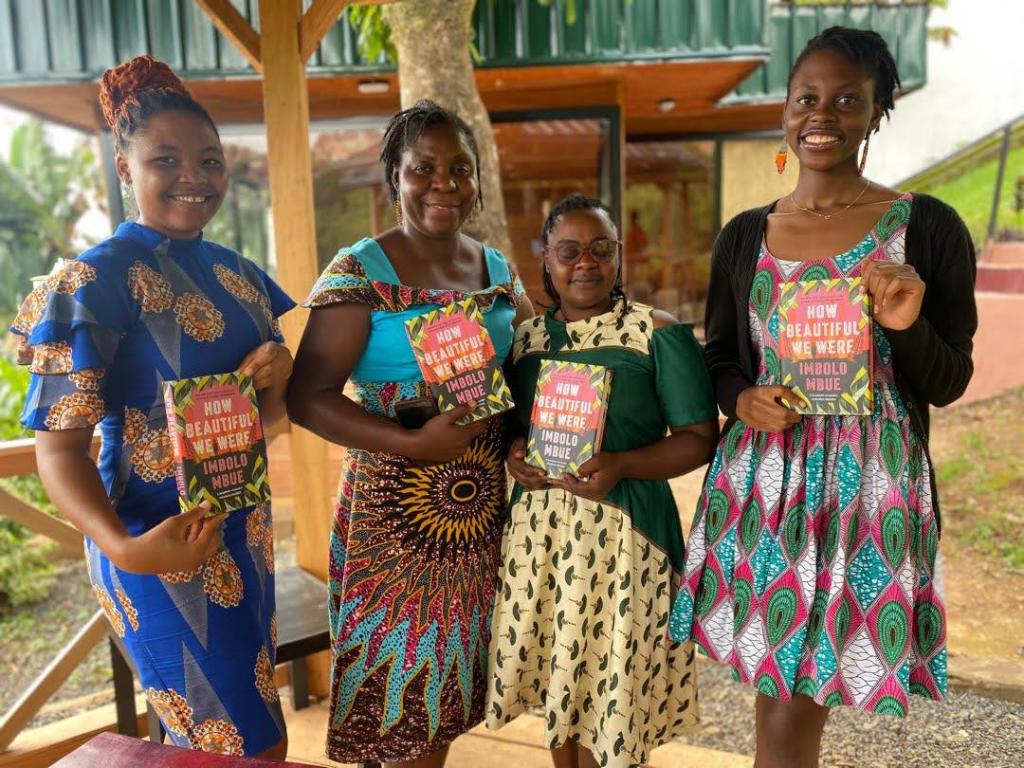
The SAVVY Kwata Book Clubs are conceived as platforms for collective reading, critical reflection, and knowledge exchange. Emerging from the philosophy of the Library of Lost and Found, the initiative understands books not merely as objects of consumption but as living repositories of memory, experience, imagination, and intellectual struggle. Reading becomes a communal act through which participants engage with histories, ideas, and narratives that shape contemporary realities.
At a time when attention is increasingly fragmented and knowledge is frequently reduced to information, the Book Clubs seek to reclaim reading as a practice of deep engagement. It creates a space where literature, theory, oral histories, essays, and cultural texts become catalysts for dialogue on questions of identity, heritage, decolonisation, migration, ecology, memory, and social transformation.
As Cameroonian philosopher, educator, and cultural thinker Bernard Nsokika Fonlon argued, education must cultivate “the complete human being,” capable of critical thought, ethical responsibility, and social engagement. The Book Clubs embrace this vision by fostering spaces where reading becomes a practice of intellectual and civic formation rather than a purely academic exercise.
The initiative also draws inspiration from Engelbert Mveng, whose work on African history and culture emphasised the importance of reclaiming historical consciousness as a foundation for cultural renewal. For Mveng, cultural alienation could only be overcome through the recovery and transmission of African memories, values, and creative expressions. Reading and discussion thus become acts of cultural restoration and future-making.
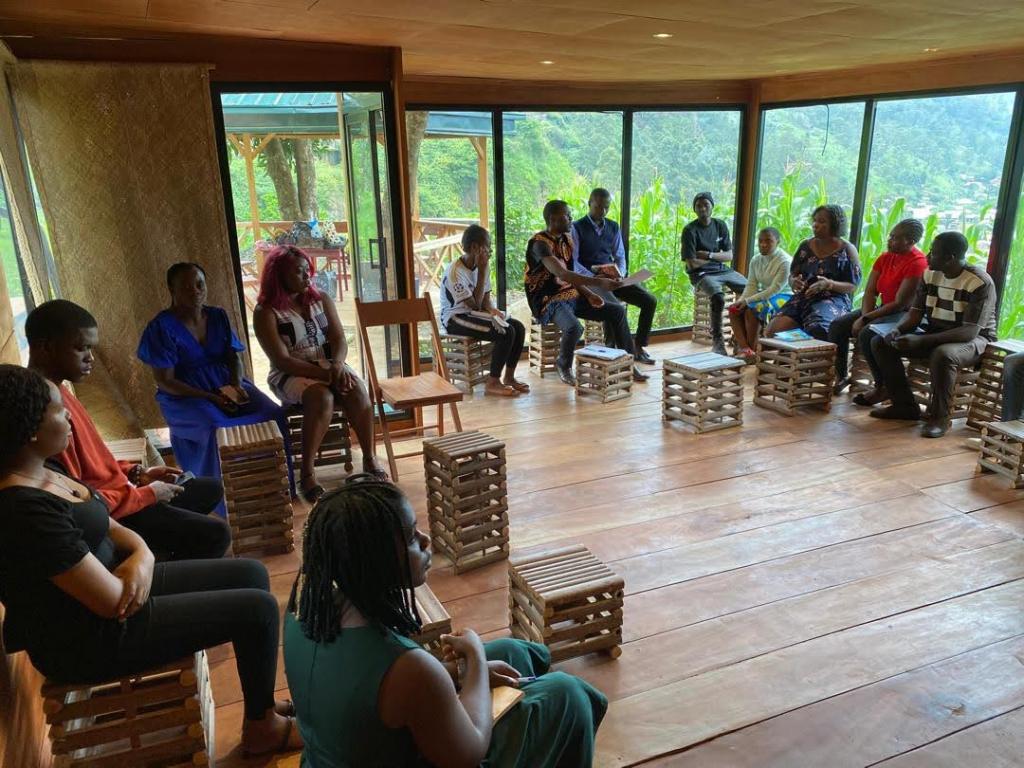
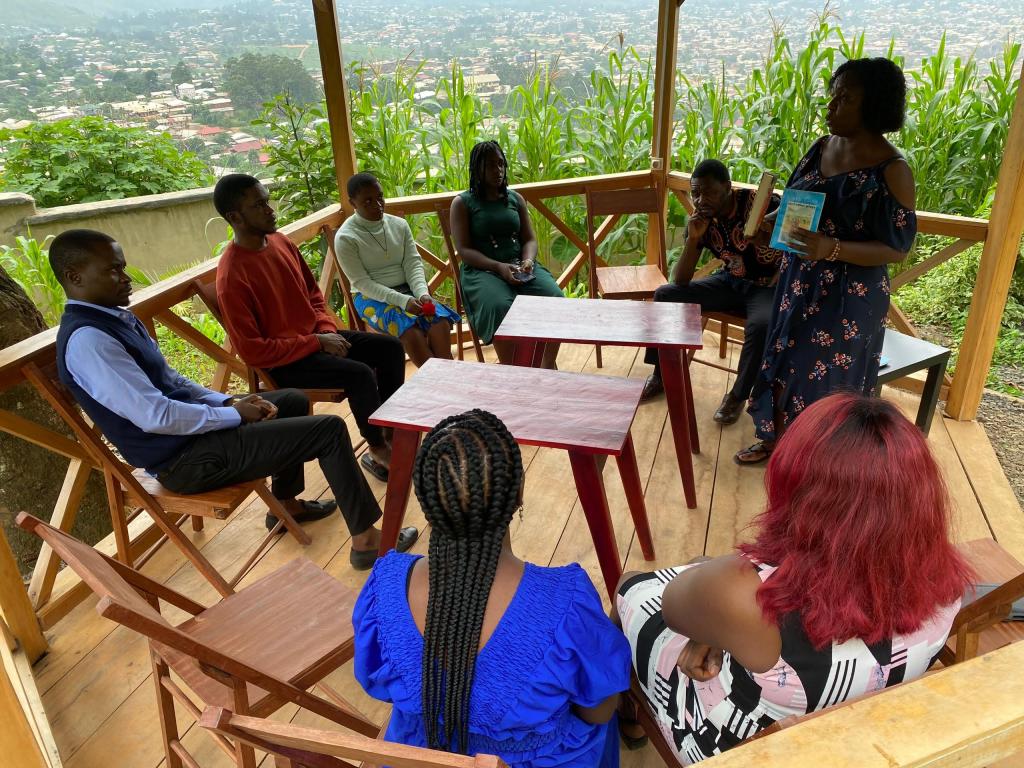
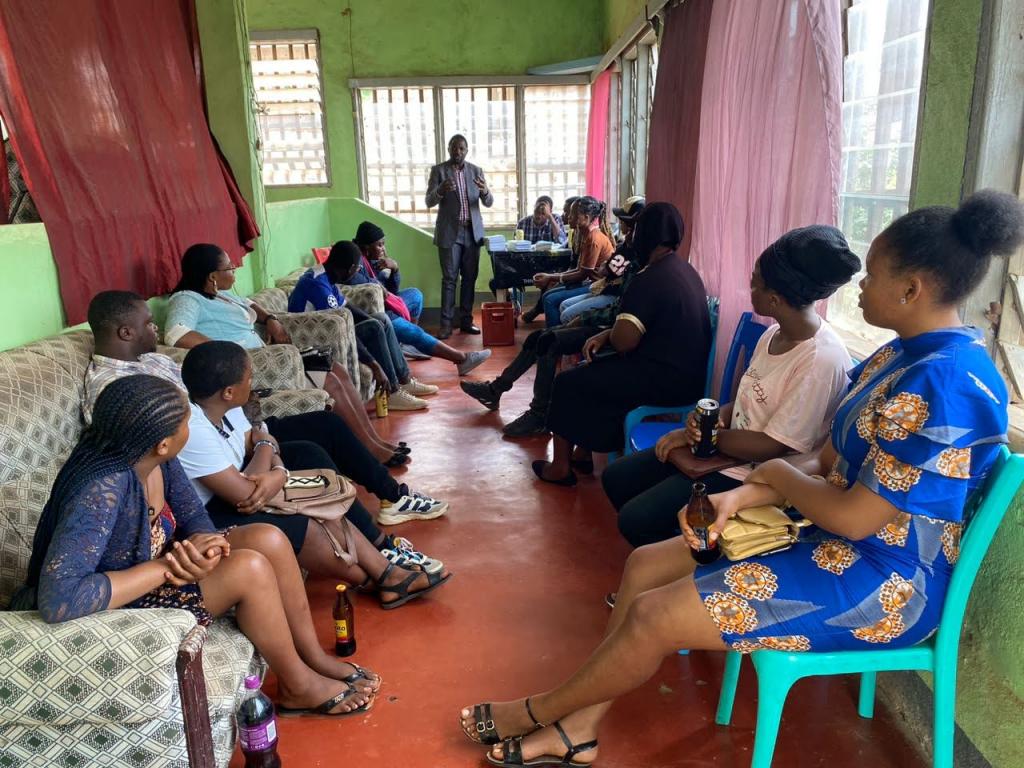
The Book Clubs bring together students, researchers, artists, cultural practitioners, educators, and community members in a shared process of inquiry. Through collective reading and discussion, participants are encouraged to move beyond disciplinary boundaries and engage with diverse ways of knowing, understanding, and imagining the world.
Central to this initiative is the programme Lecture Encounter, a series of public conversations that extends the reading experience beyond the page. Lecture Encounter invites writers, scholars, artists, activists, and knowledge holders to engage directly with book clouds members around selected texts, themes, and contemporary issues. These encounters transform reading into a dynamic process of exchange where ideas circulate between books, lived experiences, and collective reflection.
This approach resonates with the reflections of Cameroonian philosopher Fabien Eboussi Boulaga, who insisted that African knowledge production must emerge from critical dialogue with lived realities rather than the passive reproduction of inherited frameworks. The Lecture Encounter therefore seeks to create conditions for participants to question, interpret, challenge, and contextualise knowledge collectively.
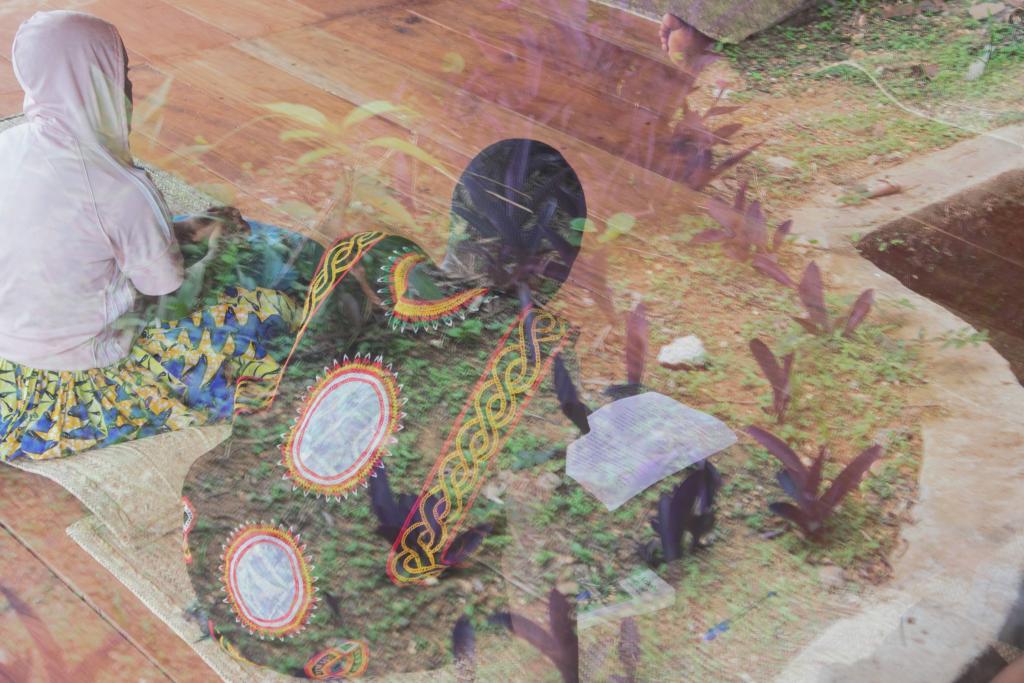
Rather than positioning knowledge as something transmitted from expert to audience, the programme fosters horizontal dialogue and mutual learning. It recognises that knowledge exists not only in books but also in communities, memories, oral traditions, artistic practices, and everyday experiences, and that meaningful learning emerges through the encounter between these different forms of knowing.
The curatorial approach of the SAVVY Kwata Book Clubs is guided by several key principles:
- Reading as a collective and transformative practice;
- Knowledge as a shared and evolving commons;
- Recognition of African intellectual traditions and knowledge systems;
- Dialogue across generations, disciplines, and communities;
- Critical engagement with contemporary social, cultural, and political questions;
- Preservation and transmission of knowledge beyond conventional academic spaces.
In the spirit of Achille Mbembe’s call to imagine “a world in common,” the Book Clubs seek to cultivate spaces where reading becomes a means of building relationships across difference, spawning new forms of understanding, and imagining more equitable futures.
Through this framework, the Book Clubs contribute to building a community of readers and thinkers committed to intellectual curiosity, cultural reflection, and social imagination. It positions literature not only as a source of knowledge but also as a site of encounter, critical consciousness, and the collective construction of futures.
Ultimately, the SAVVY Kwata Book Clubs and Lecture Encounter programme seek to cultivate a culture of reading that is attentive, critical, and socially engaged—one that understands books as points of departure for conversations that extend far beyond their pages. In doing so, it contributes to SAVVY Kwata’s broader commitment to preserving, activating, and transmitting knowledge systems that continue to shape communities, cultures, and futures across Cameroon and beyond.
Selected Intellectual References
- Fonlon, Bernard Nsokika. The Task of Today.
- Mveng, Engelbert. Histoire du Cameroun and writings on African aesthetics and cultural liberation.
- Eboussi Boulaga, Fabien. La Crise du Muntu.
- Mbembe, Achille. Critique of Black Reason: Out of the Dark Night.