28 Dec 2022 — 18 May 2026
Limbe Waste Ecologies
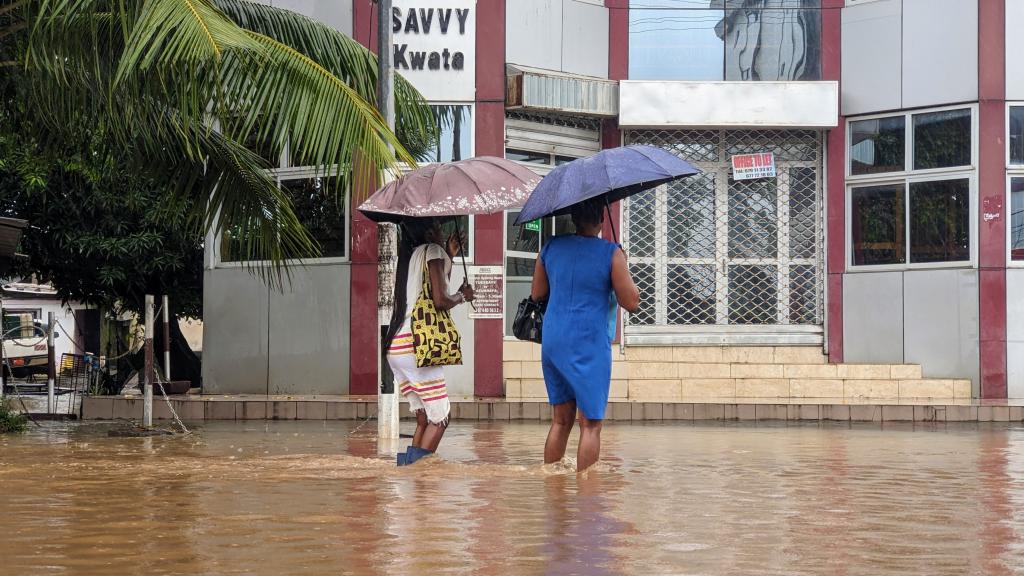
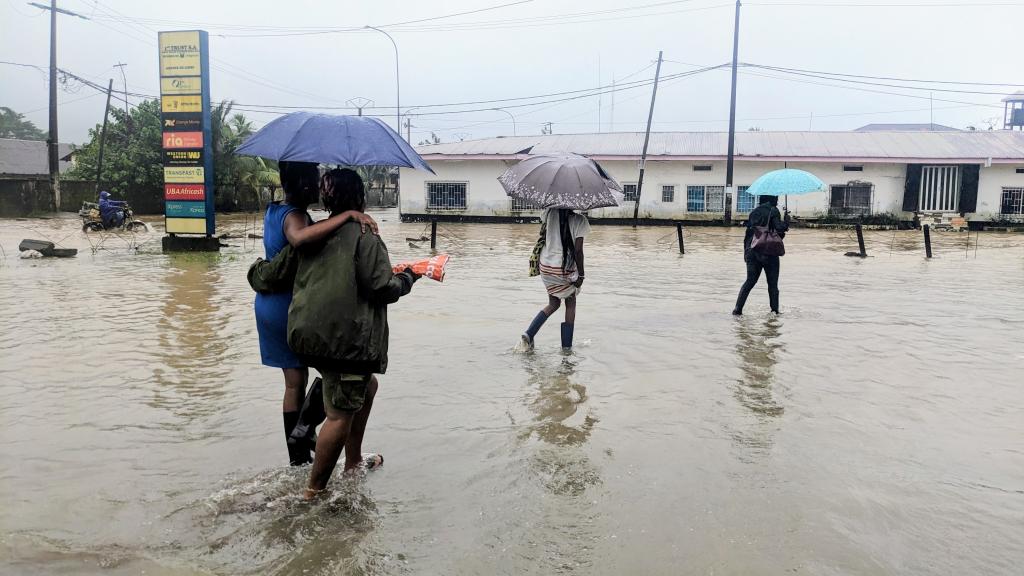
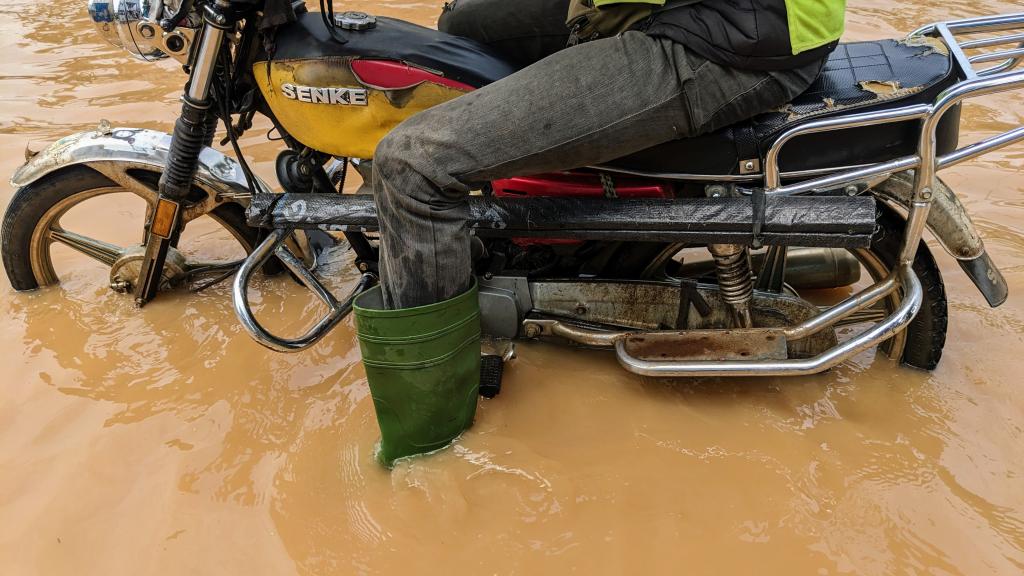
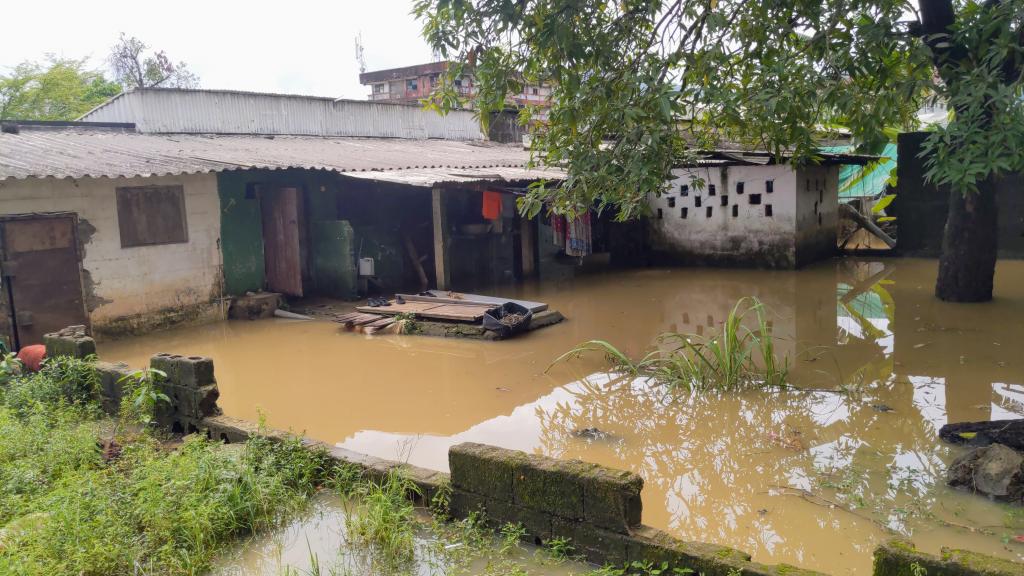
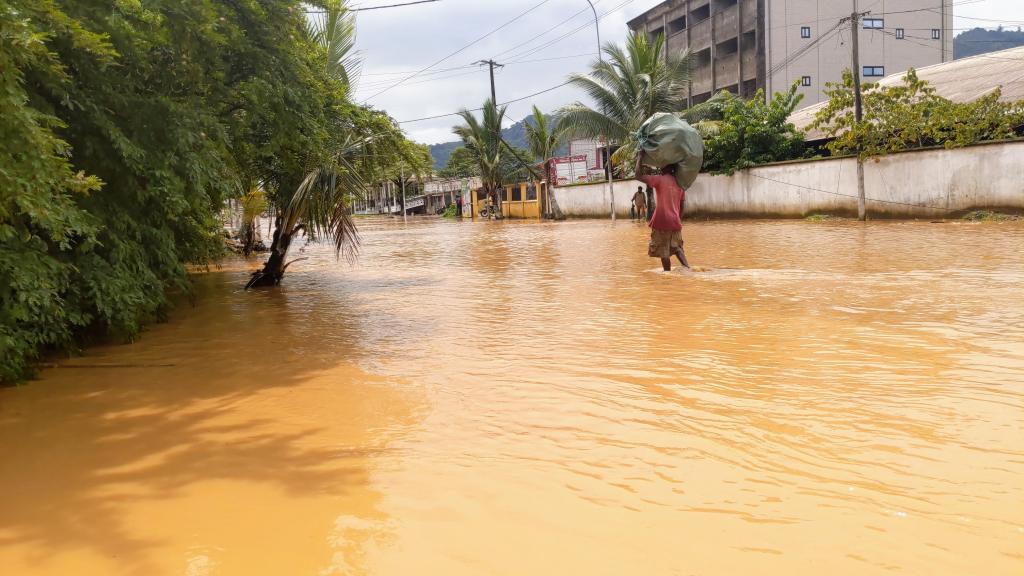
The origins of the waste management project at SAVVY Kwata – Library of Lost and Found precede its formal articulation as a curatorial programme. Since occupying its space at Manga Williams Avenue, Limbe, in December 2023, SAVVY Kwata has intentionally positioned itself within the everyday realities of Limbe rather than apart from them. Located on one of the city’s most flooded, visible, and frequented arteries, the space was conceived not merely as a library or cultural centre but as an active participant in the life of the neighbourhood.
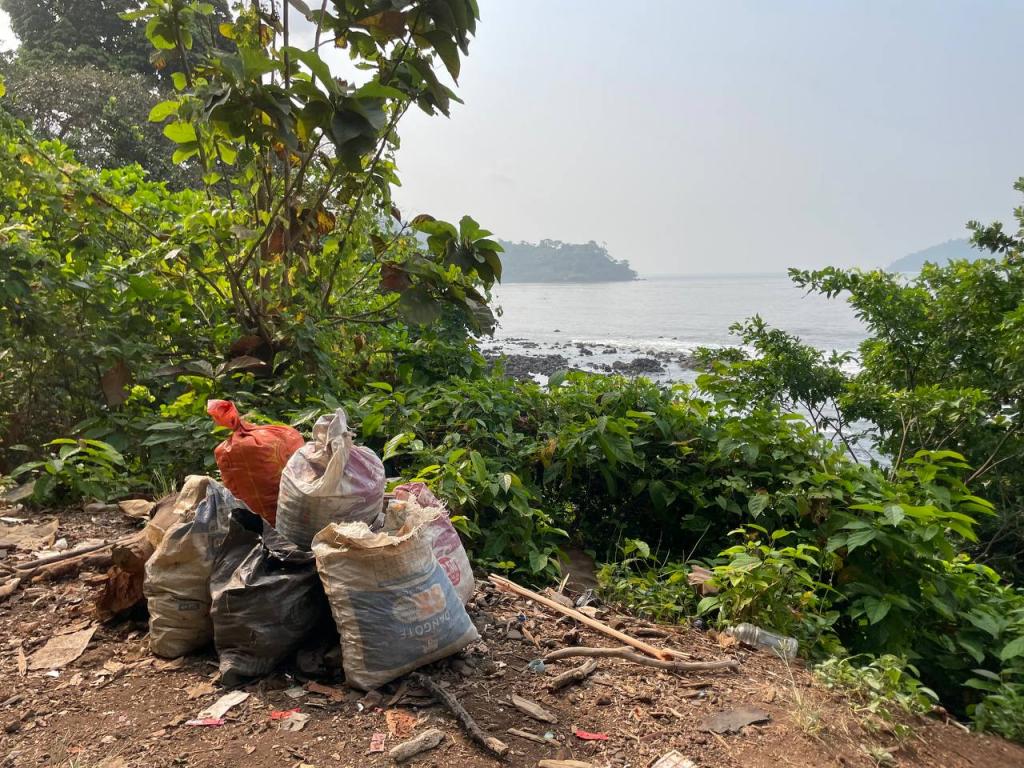
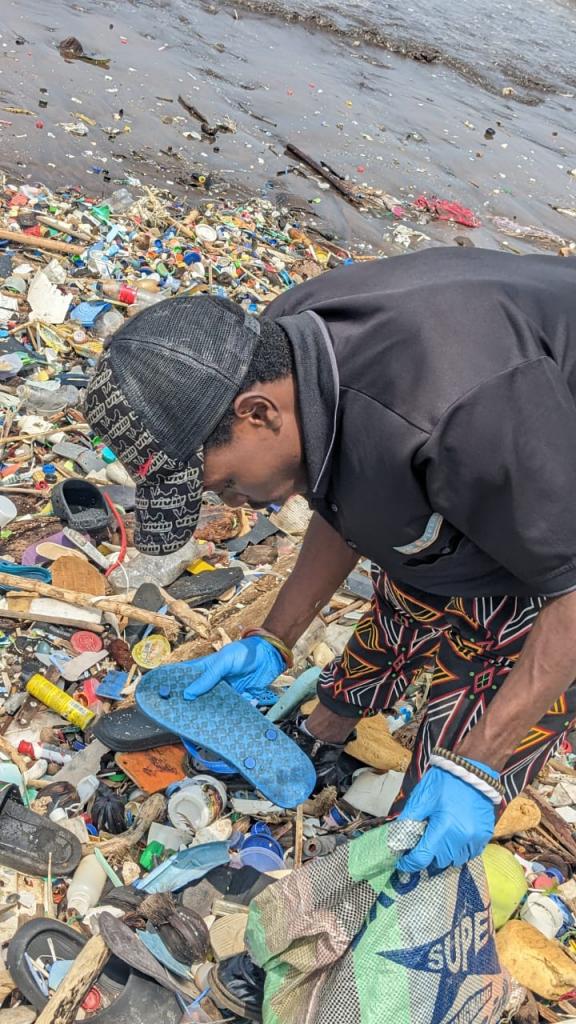
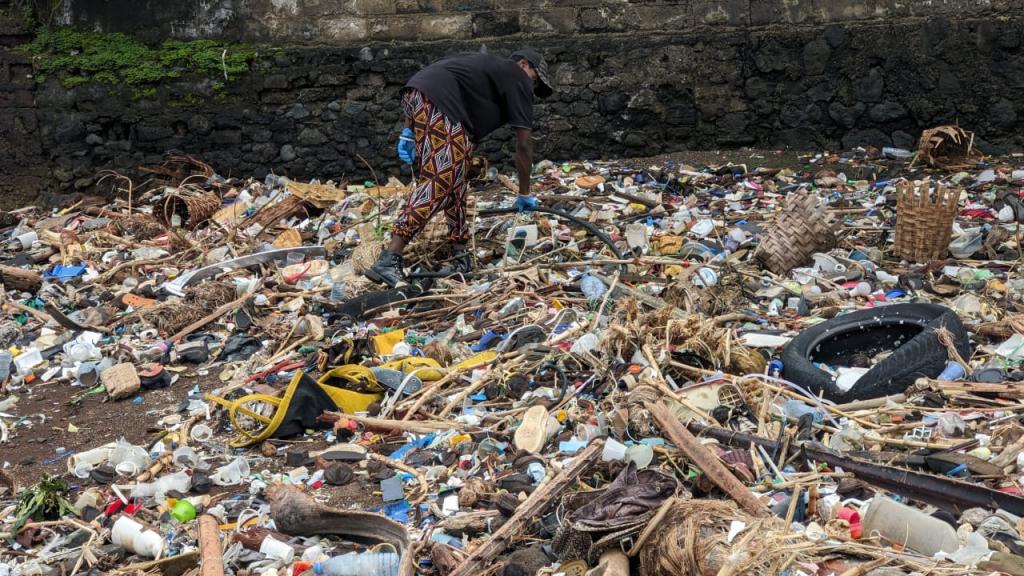
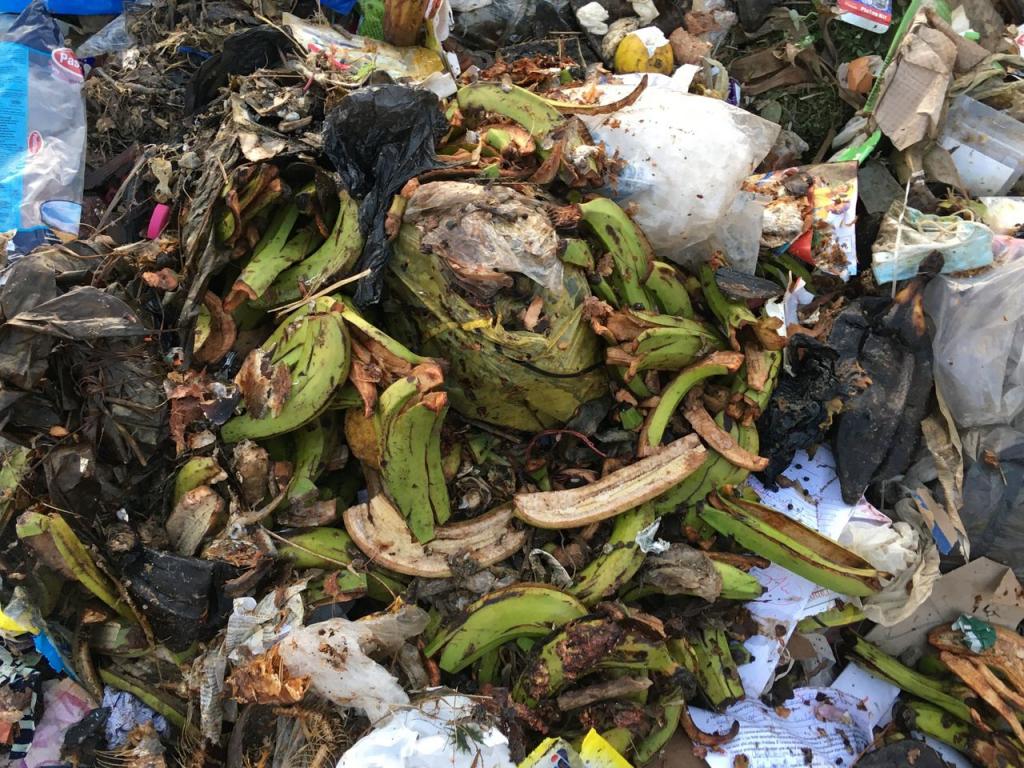
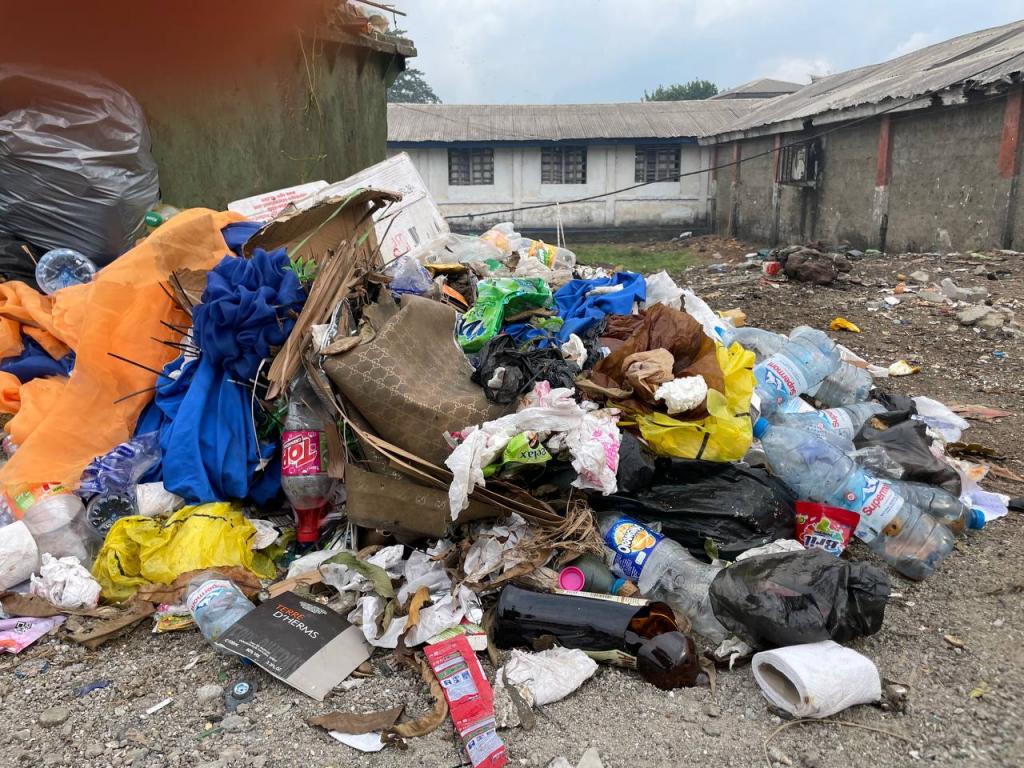
From the outset, SAVVY Kwata adopted a methodology of proximity: living with, observing, documenting, and responding to the challenges faced by surrounding communities. The accumulation of waste along streets, drainage systems, beaches, and public gathering spaces quickly emerged as one of the most urgent concerns affecting both environmental and social well-being. Rather than treating waste as a distant municipal issue, SAVVY Kwata understood it as a shared condition shaping everyday life, public health, urban aesthetics, and ecological futures.
This position echoes the reflections of Cameroonian intellectuals and writers who have insisted that cultural work must remain deeply connected to social realities. Werewere Liking reminds us that art is a process of social transformation capable of reimagining collective futures. Likewise, Imbolo Mbue’s attention to migration, aspiration, and everyday survival speaks to the complex relationships between people, environments, and systems of care. Their works remind us that the condition of our surroundings is inseparable from the condition of our communities.
The project is equally informed by the thought of Engelbert Mveng, whose writings emphasise the relationship between culture, dignity, and collective memory; Bernard Nsokika Fonlon, who advocated forms of education rooted in civic responsibility; and Mongo Beti, whose critical engagement with structures of neglect continues to resonate in contemporary discussions around accountability and public life.
From Observation to Action
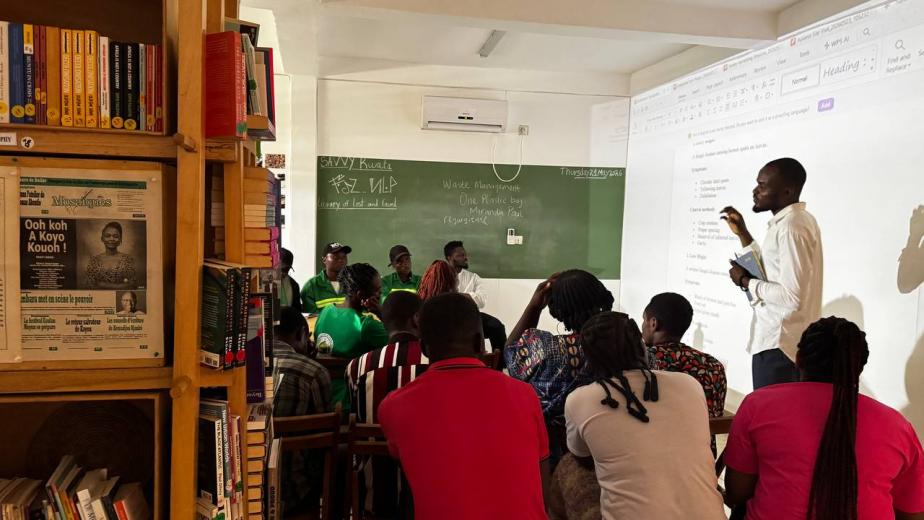
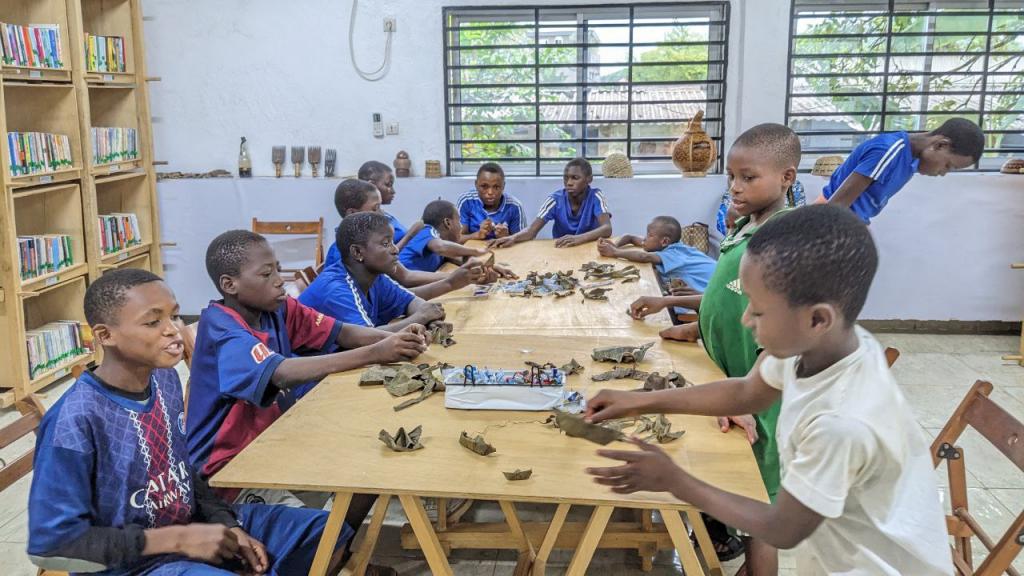
Between 2023 and 2025, SAVVY Kwata’s engagement with waste management took place through observation, community conversations, documentation, artistic experimentation, and educational activities. The space gradually became a site for reflecting on environmental challenges through photography, discussions, workshops, reading sessions, and encounters with local practitioners and waste management authorities ( Hysacam – the principal waste management and sanitation company in Cameroon).
These activities revealed that waste management could not be approached solely as an environmental problem. It was equally a question of education, urban planning, cultural behaviour, collective responsibility, and public imagination.
Consequently, the project evolved into a broader investigation of how artistic and cultural practices might contribute to environmental awareness and behavioural change.
2026: A New Phase
In 2026, the project entered a new stage through collaboration with Adama Delphine Fawundu.
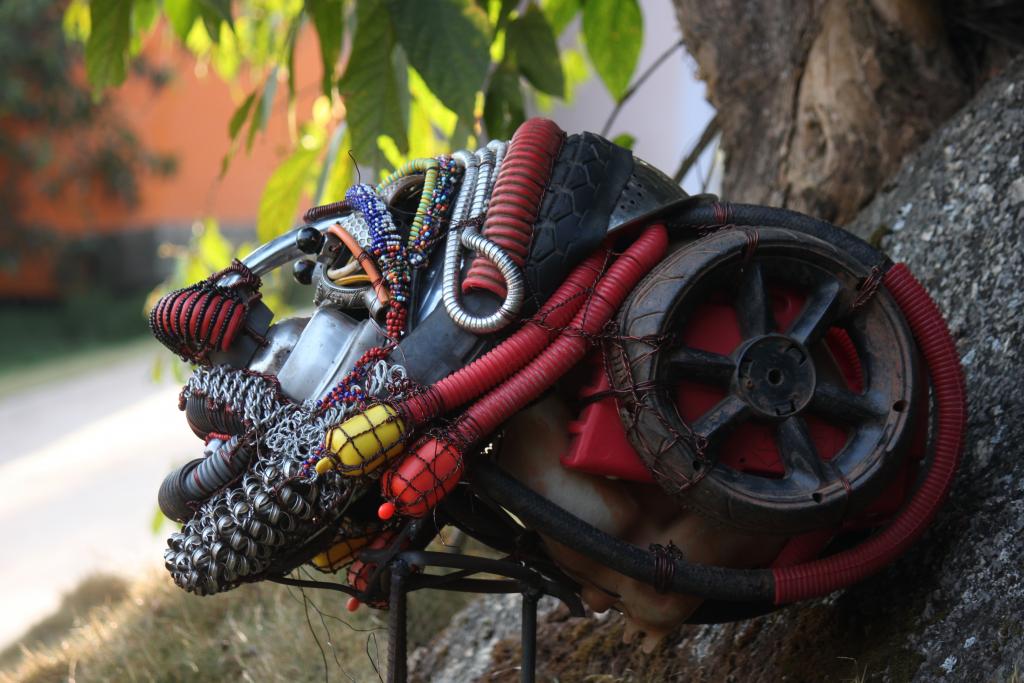
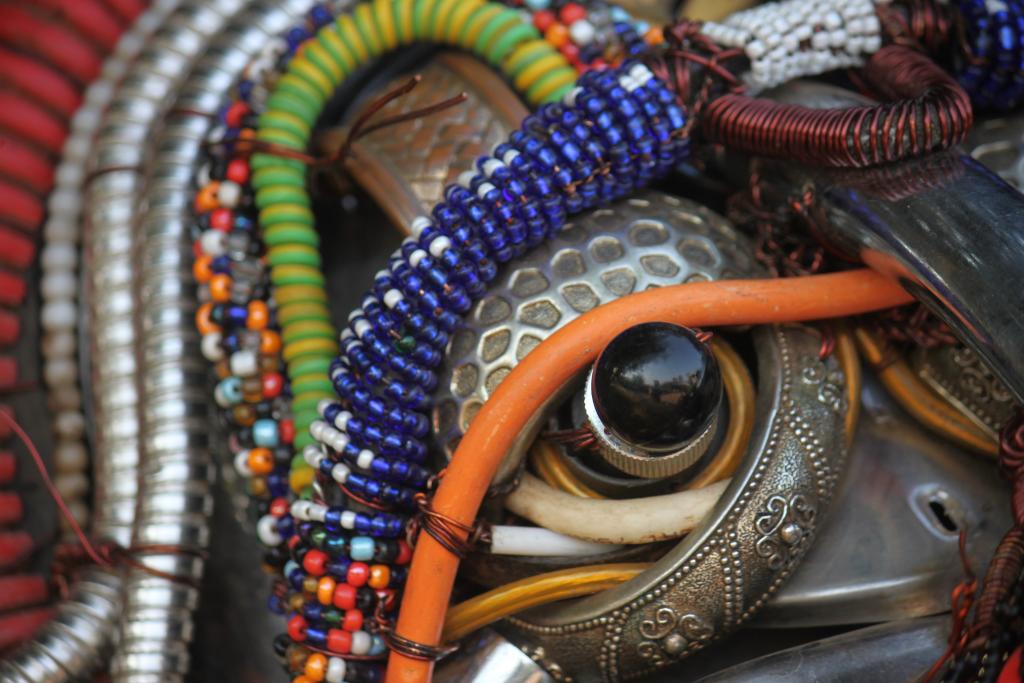
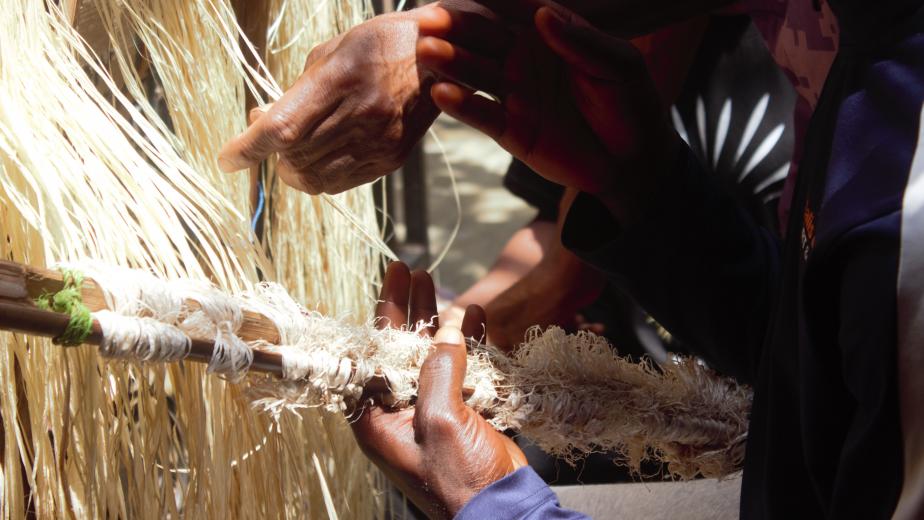
Known for her multidisciplinary practice spanning photography, installation, performance, textiles, and community-based research, Fawundu’s work explores memory, migration, spirituality, ancestry, ecological relationships, and diasporic connections. Her practice consistently examines how histories and landscapes are embodied within communities and transmitted across generations.
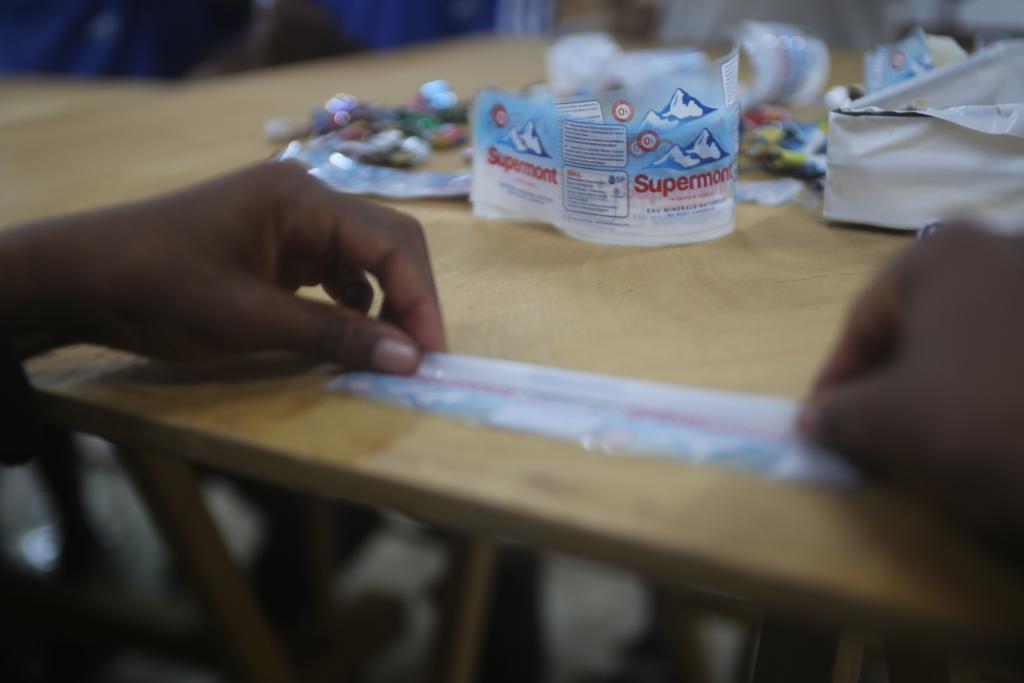
The collaboration introduces a broader transnational dialogue between Limbe’s coastal ecosystem and global conversations on environmental stewardship, cultural memory, and artistic intervention. Through organic workshops, research, artistic production, public engagement, and collective reflection, the project expands beyond documentation towards the co-creation of new environmental imaginaries.
This new phase transforms the waste management initiative into a platform where artists, practitioners, students, researchers, neighbourhood residents, waste collectors, farmers, and educators collaborate in rethinking the relationship between urban life and ecological responsibility.
SAVVY Kwata as Environmental Infrastructure
The project understands SAVVY Kwata itself as a form of environmental infrastructure. Rather than functioning only as a venue, the space becomes:
- A laboratory for ecological experimentation;
- A community learning platform;
- A site of documentation and archiving;
- A public forum for environmental dialogue;
- A place where artistic production intersects with civic action.
Both the interior and exterior spaces become extensions of the project. Exhibitions, installations, screenings, workshops, public interventions, and community encounters transform the library into a living reflection of Limbe’s environmental realities.
Towards a Culture of Care
Inspired by Prof. Bonaventure Soh Bejeng Ndikung’s In a While or Two We Will Find the Tone, the project understands environmental transformation as a collective process of listening, adjusting, negotiating, and learning together. Finding “the tone” becomes a metaphor for discovering new relationships between people, materials, waste, and place.
The project therefore seeks not only to reduce waste but to cultivate a culture of care—care for public space, for shared environments, for knowledge, and for one another.
By positioning itself in the heart of Manga Williams Avenue and remaining attentive to the realities of the surrounding neighbourhoods, SAVVY Kwata continues its commitment to being responsive, present, and accountable to the communities with whom it works. The waste management project is therefore not an isolated initiative but part of a longer process of learning from the city, alongside the city, and with the city.
In this sense, the project asks a simple but urgent question:
How might a library become a site where environmental responsibility, artistic imagination, and community action meet to create new possibilities for urban life in Limbe?