2024 — 2025 — 2026
“Culture does not merely describe the world; it participates in its making.”
— Engelbert Mveng
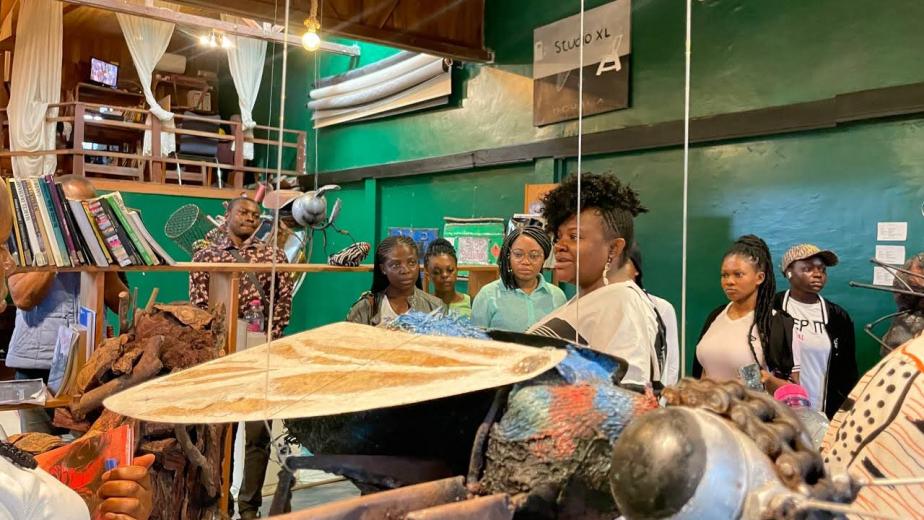
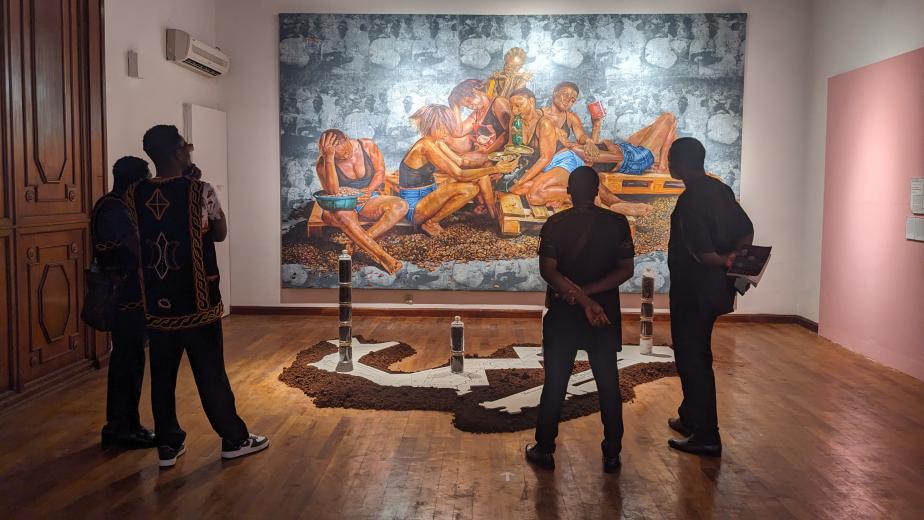
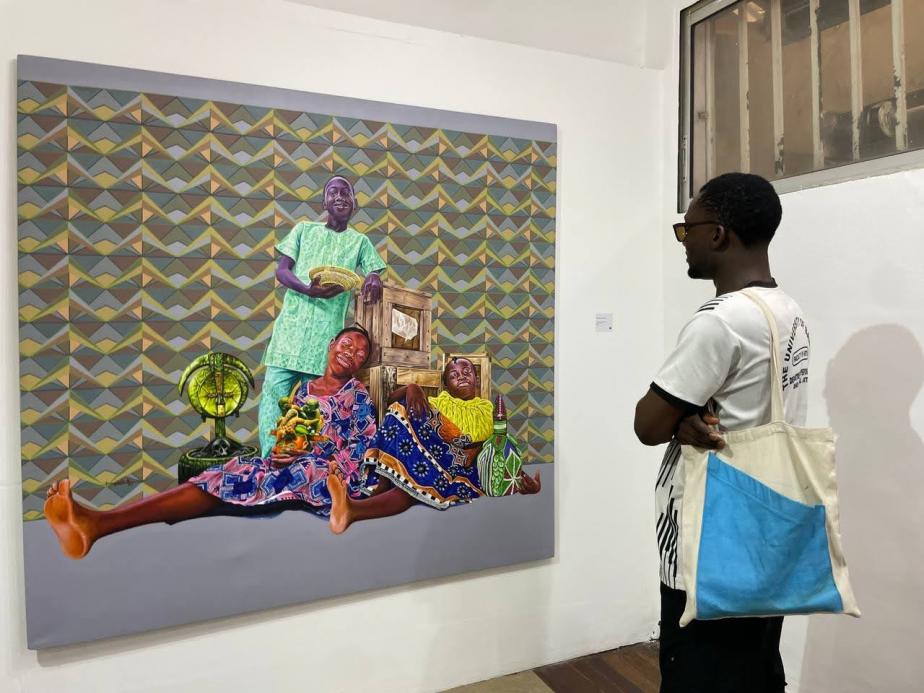
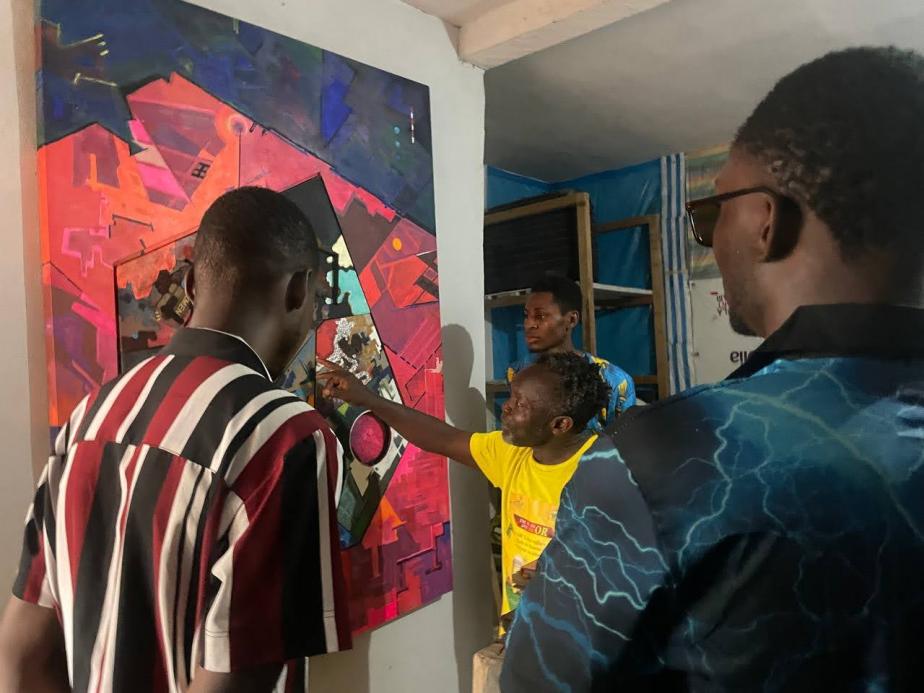
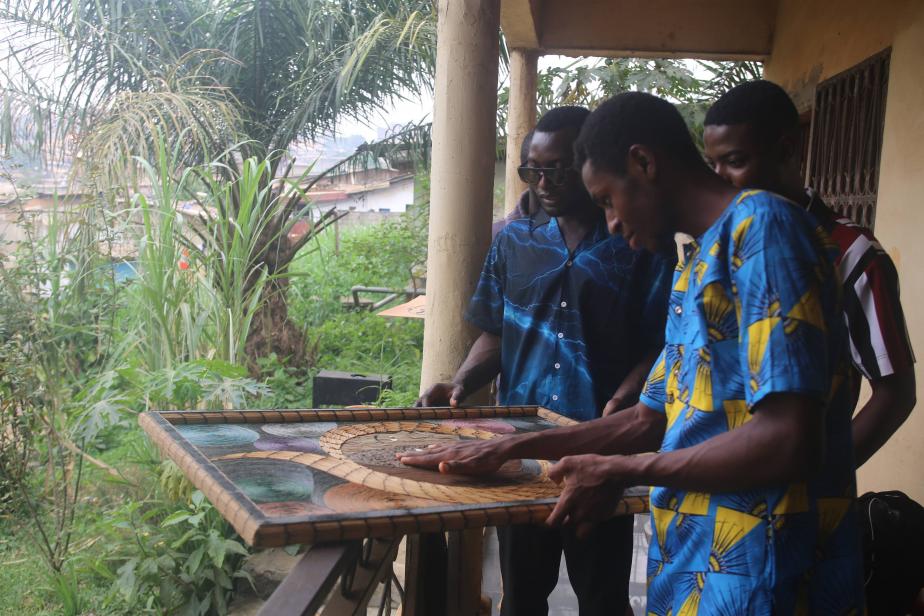
SAVVY Kwata Art Tours are conceived as guided encounters with art, heritage, memory, and systems of knowledge. Rather than presenting artworks as isolated objects for observation, the tours create spaces for collective inquiry, dialogue, and critical reflection. They invite participants to engage with artistic practices as living archives that carry histories, identities, ecological knowledge, cultural memories, and social imaginaries.
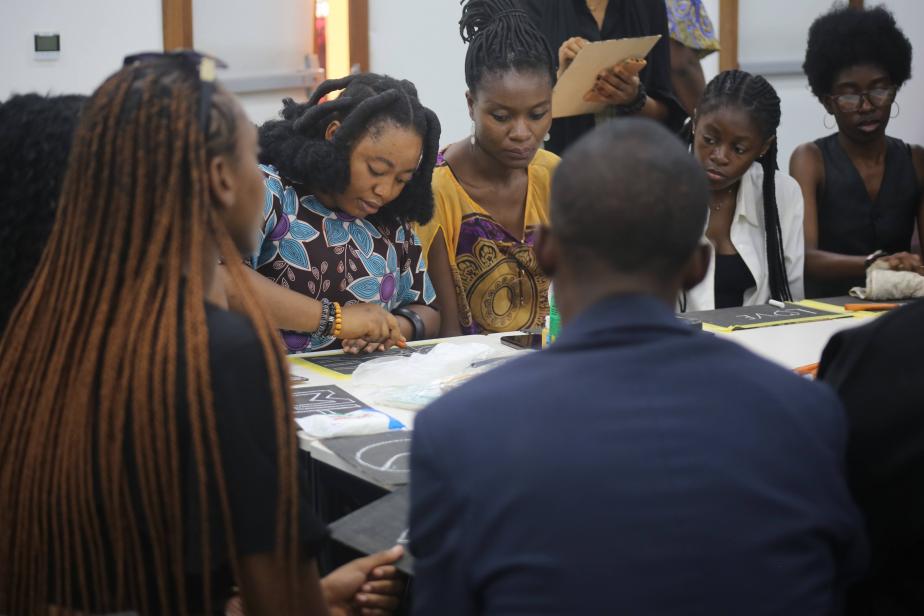
Rooted in the philosophy of the Library of Lost and Found, the Art Tours understand exhibitions, artistic interventions, and cultural sites as places where knowledge is produced, contested, transmitted, and reimagined. Through conversation, storytelling, close-looking exercises, readings, and participatory exchanges, participants are encouraged to connect artworks with their own lived experiences and broader social realities.
Drawing inspiration from Cameroonian intellectual traditions, the programme echoes the reflections of Bernard Nsokika Fonlon, who argued that education should cultivate critical consciousness and social responsibility. In this spirit, the Art Tours seek to move beyond passive spectatorship towards active engagement, where participants become active readers and co–producers of cultural meaning.
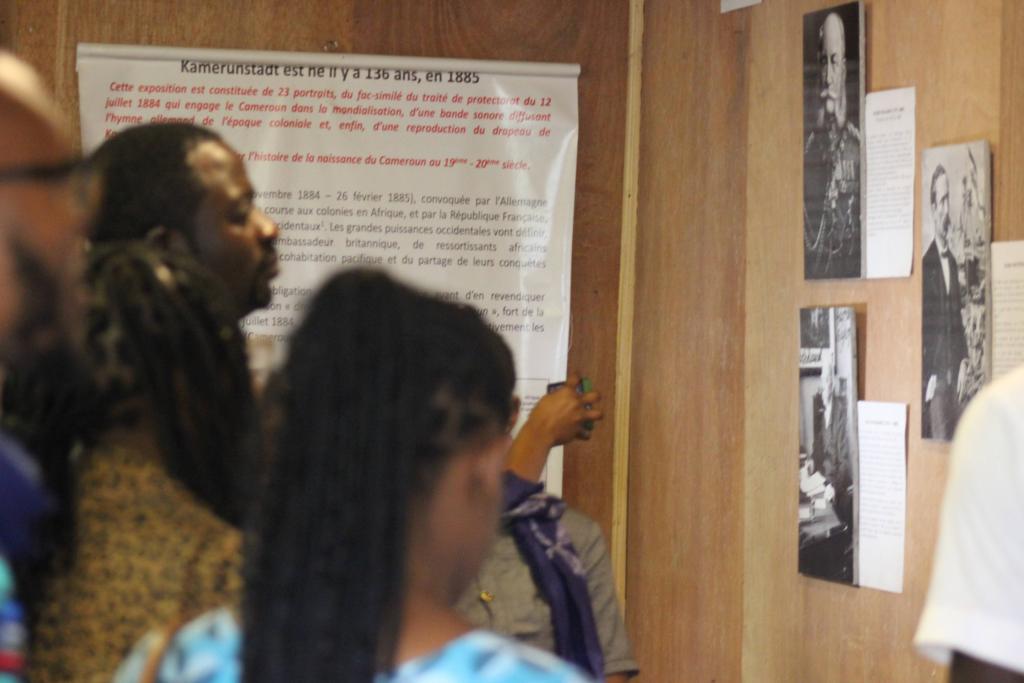
The programme is also informed by the work of Mongo Beti, whose writings emphasised the importance of questioning dominant narratives and reclaiming African perspectives. Art becomes a medium through which participants can critically engage questions of history, colonial legacies, memory, belonging, migration, ecology, and community.
Objectives
The Art Tours aim to:
- Introduce participants to contemporary and historical artistic practices from Cameroon, Africa, and beyond;
- Encourage critical engagement with exhibitions, collections, and cultural spaces;
- Foster dialogue between artists, researchers, students, cultural practitioners, and local communities;
- Explore the intersections between art, heritage, history, and everyday life;
- Strengthen visual literacy and critical thinking skills;
- Contribute to the preservation and transmission of cultural knowledge through discussion and documentation;
- Create opportunities for intergenerational and interdisciplinary exchange.
Methodology
Each Art Tour combines:
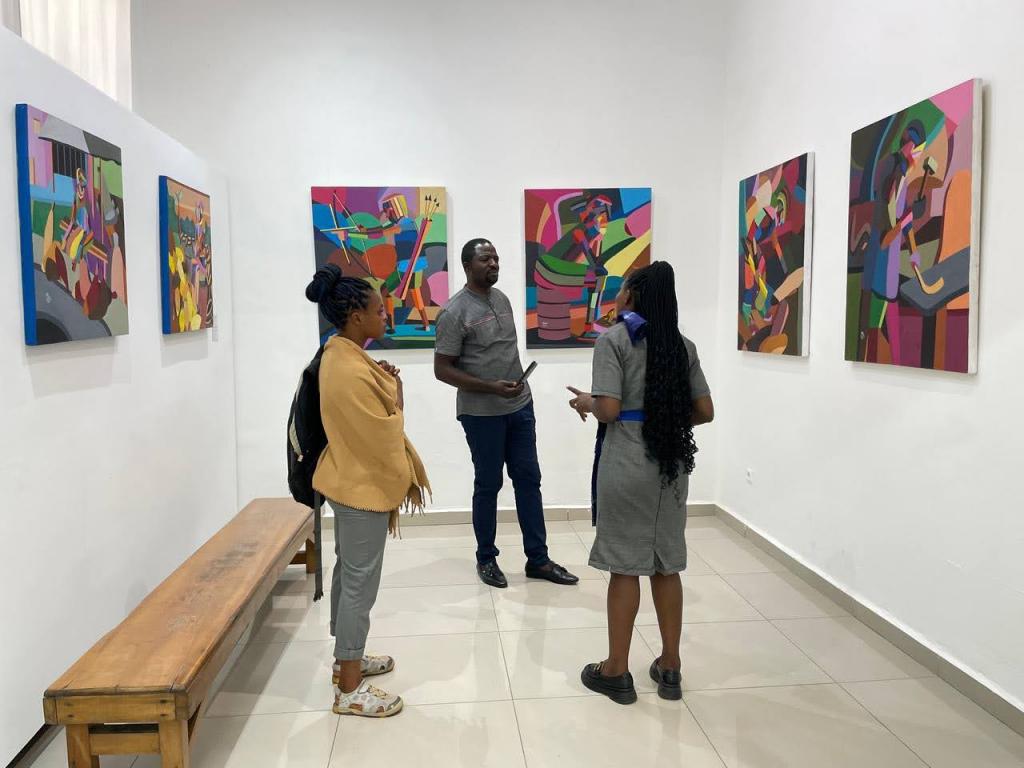
- Guided exhibition walkthroughs;
- Storytelling and oral history approaches;
- Reading excerpts from relevant literary and theoretical texts;
- Dialogues with artists, curators, and practitioners;
- Collective reflection sessions;
- Documentation and archiving of participants’ responses and observations.
Particular attention is given to local knowledge systems and community perspectives, inviting participants to consider how artworks are shaped by and embedded within specific social, cultural, historical, and ecological contexts.
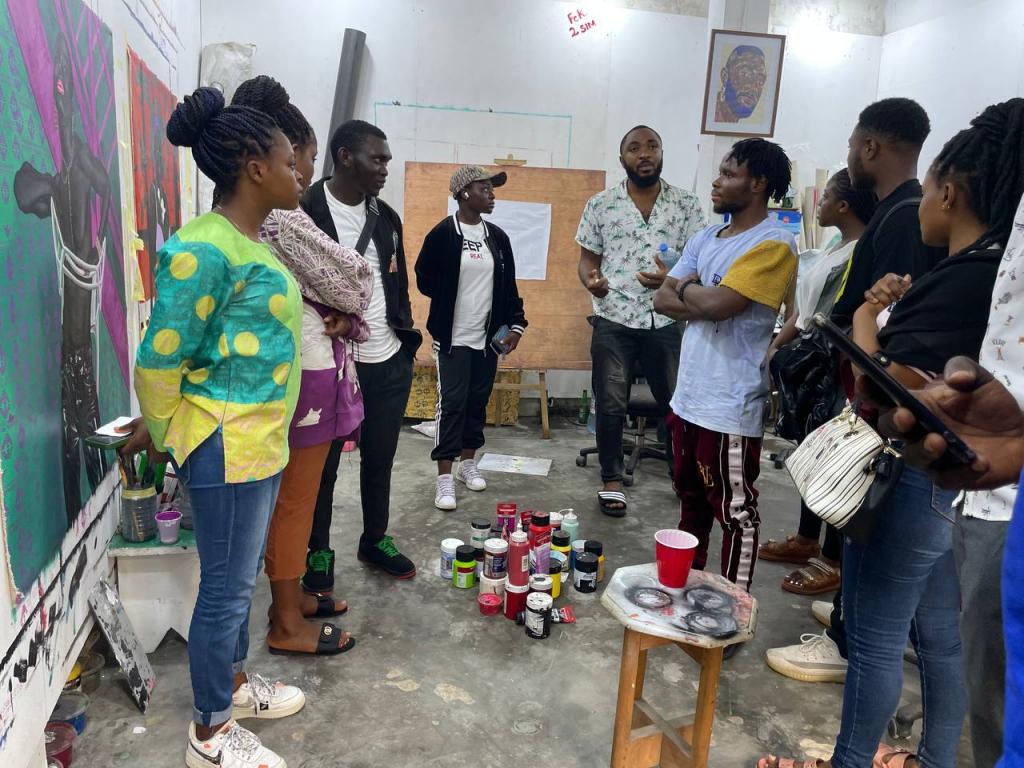
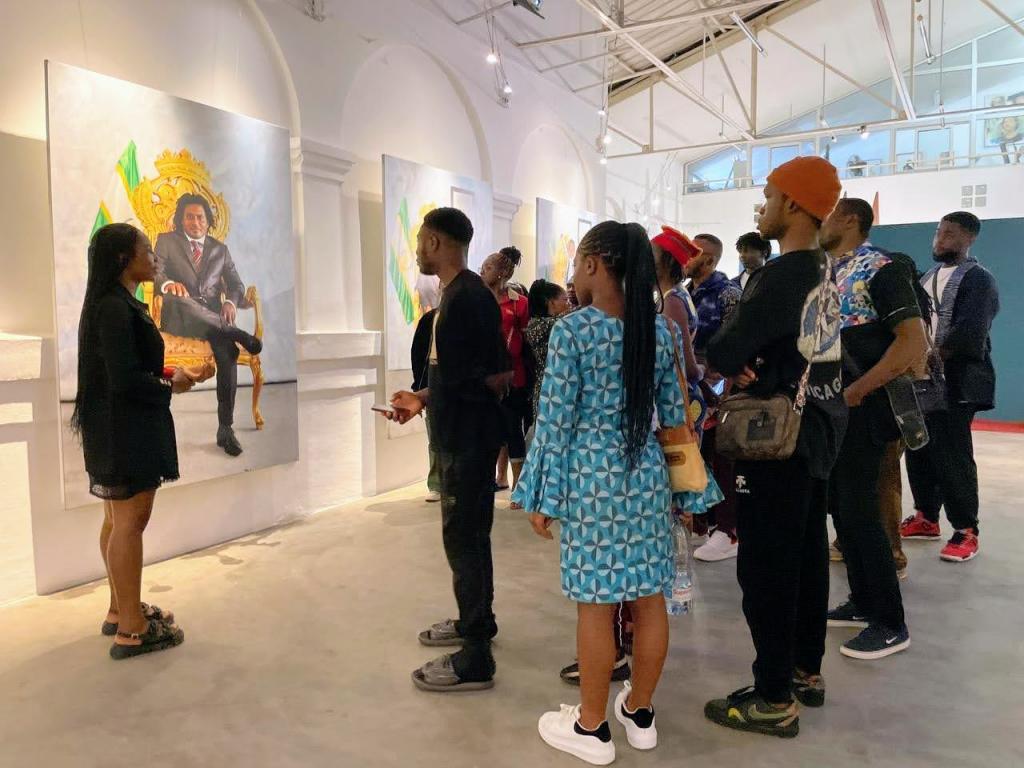
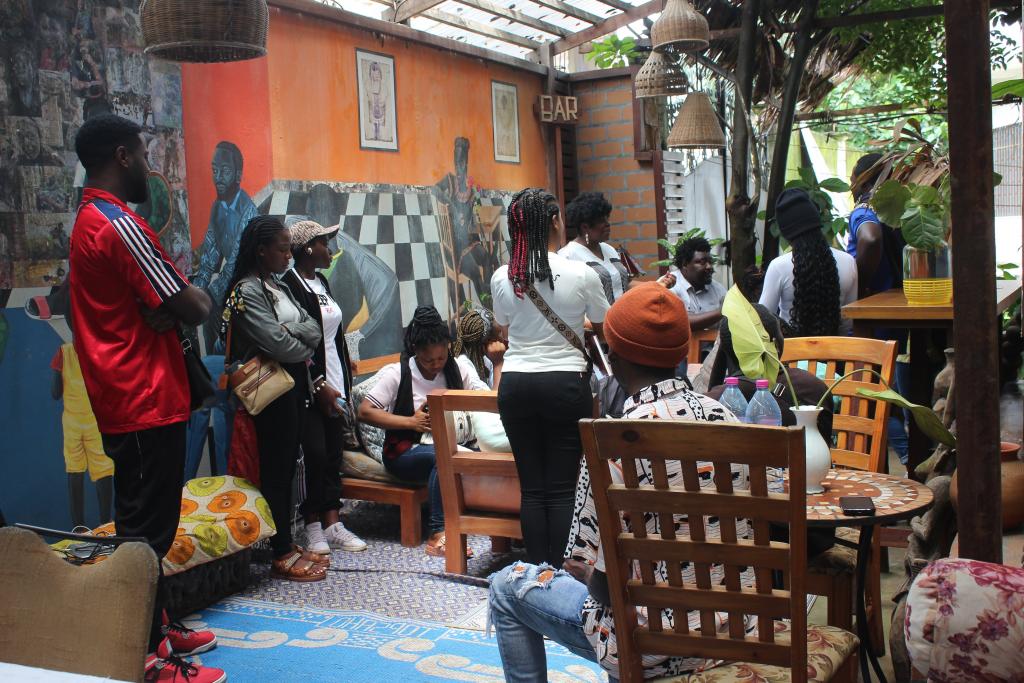
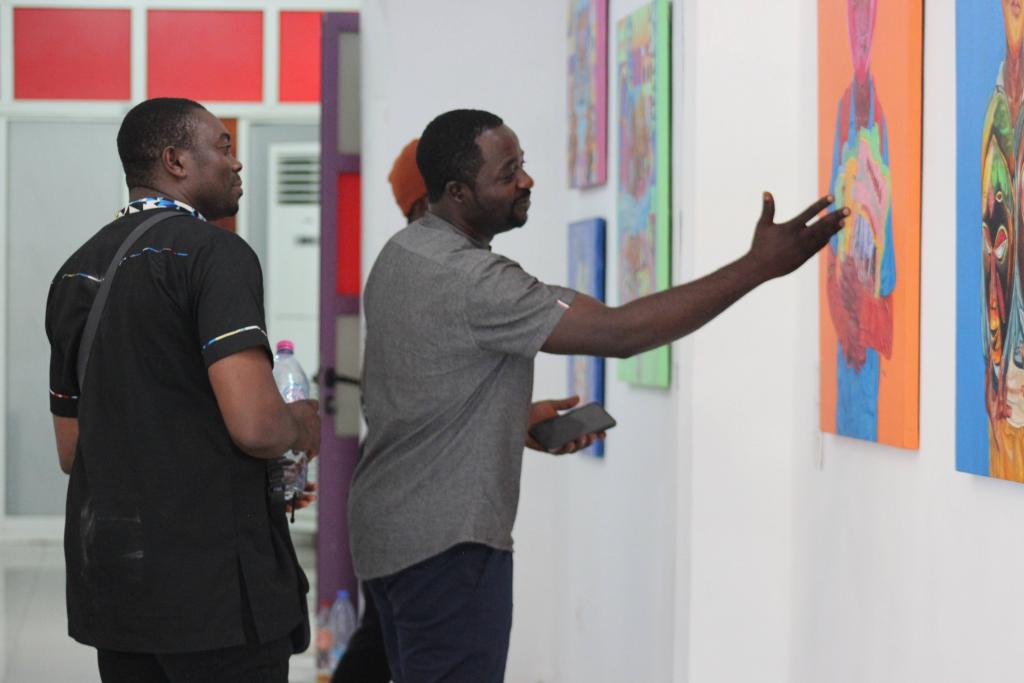
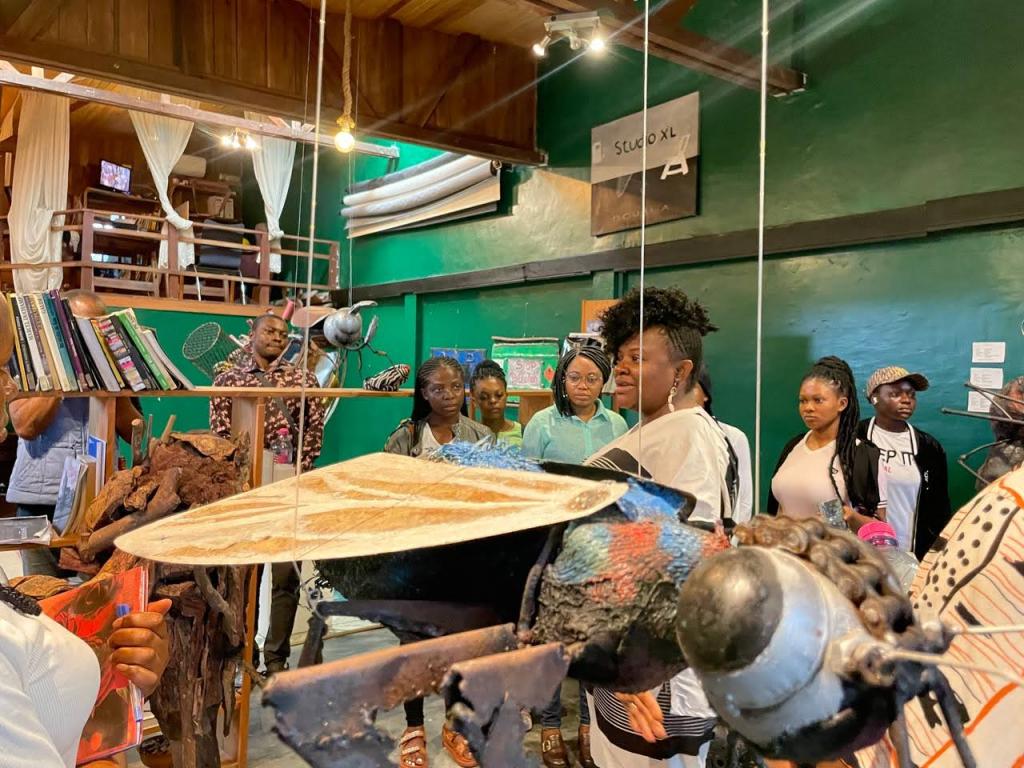
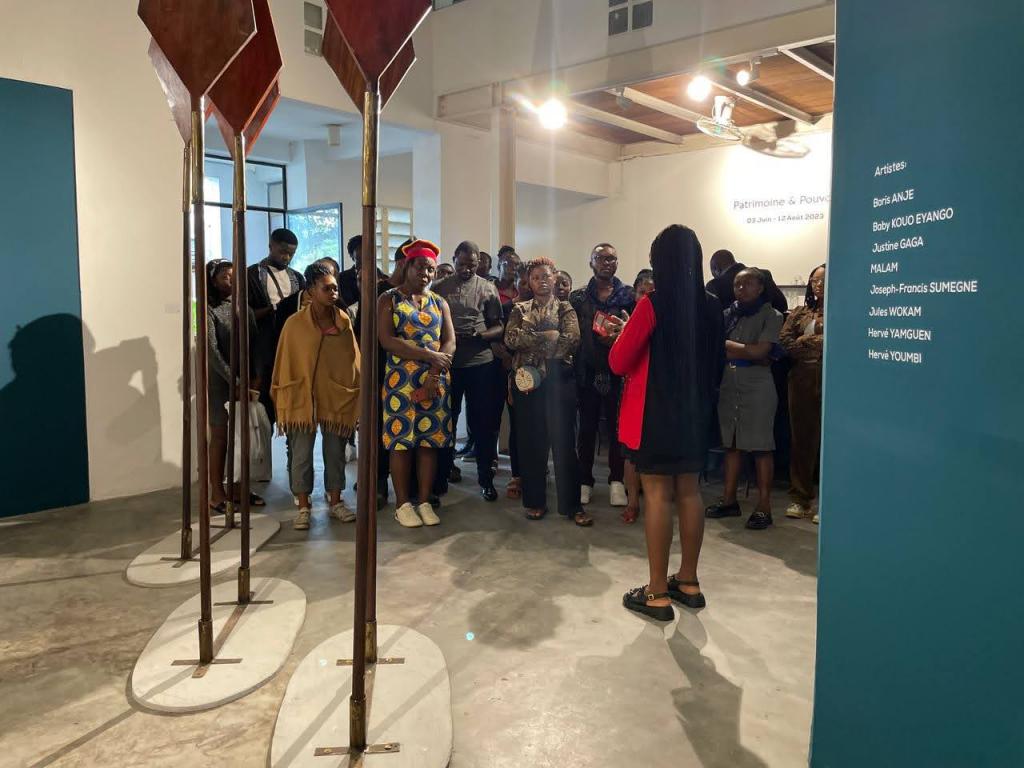
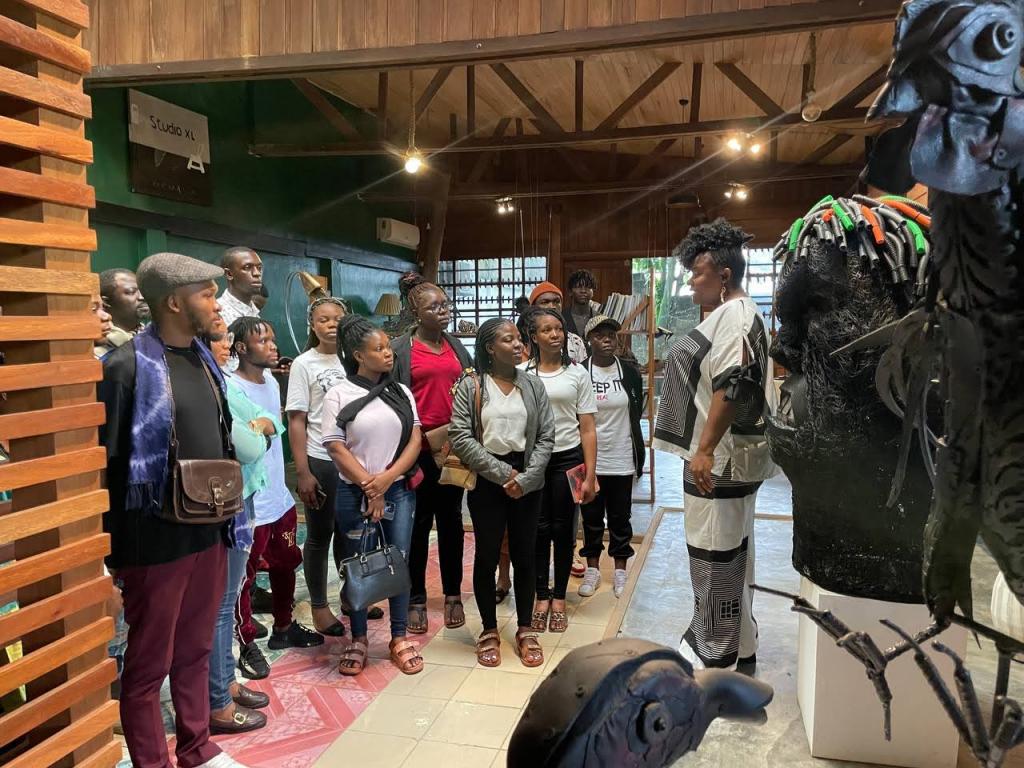
Art Tours as Knowledge Encounters
At SAVVY Kwata, Art Tours are understood as knowledge encounters. They create spaces where different forms of knowing—academic, artistic, experiential, ancestral, and community-based—meet and interact. In this sense, the tours become platforms for learning, unlearning, and relearning.
As Engelbert Mveng observed:
“A people without memory is a people without a future.”
SAVVY Kwata Art Tours therefore contribute to the ongoing work of remembering, questioning, and imagining futures through art, dialogue, and collective reflection. They position cultural engagement not as a passive act of consumption but as a participatory process through which communities reconnect with histories, confer contemporary realities, and envision new possibilities for the future.