December 2024 — March 2025
Implementation
A three-month collaborative research programme provided an opportunity for us, alongside SAVVY Contemporary, to focus more specifically on the legacy of the ecological projects undertaken during German colonial rule in Sub-Saharan Africa.
The research programme focused on a particular period of German colonial rule, spanning from 1884 to 1914, and extending through the transfer of its colonial holdings into the hands of its modern-day allies, Belgium, France, Portugal, South Africa, and the United Kingdom. This colonial period, together with the subsequent processes of dissolution and territorial redistribution, played a pivotal role in the eventual establishment of Germany’s former colonies as supposedly independent nation-states.
We focused on this historical moment to better understand the root causes of the ongoing disruption of the political, economic, infrastructural, ecological, and socio-cultural foundations of African societies. The period marked a profound transformation in the customs, values, and social structures that had long shaped African identities, and its reverberations remain evident today.
The research centred particularly on botanical gardens across Sub-Saharan Africa as enduring neo-colonial remnants of the settler-colonial period. In the African context, the botanical garden emerged as a distinctly colonial import and a material representation of European ambitions to exercise control over both people and nature. As enclaves of a subordinated nature, botanical gardens became integral components of imperial culture, cultivating and supplying plants and crops that satisfied the economic and consumptive demands of colonial centres.
This reorganisation of plant and animal life extended far beyond the physical boundaries of botanical gardens and reflected a broader restructuring of relationships between people and their environments. The logic underpinning botanical gardens permeated villages, towns, and cities, leaving behind ecological and social legacies that still shape contemporary African landscapes.
Through this research, we followed several strands of inquiry concerning the colonial legacies embedded within these institutions and explored the many questions they continue to raise. From the Limbe Botanical Garden (formerly Victoria Botanical Garden) to the Amani Biological-Agricultural Institute in present-day Tanzania, botanical gardens emerged as important sites through which to examine the enduring ecological, architectural, and ideological remnants of colonial rule.
These spaces functioned simultaneously as symbols of modernity and as evidence of societies still negotiating the legacies of Eurocentric models of development. They reflected Christian and colonial notions of a desacralised and instrumental relationship with nature while serving historically as anchors of European presence and supremacy.
By examining these sites, we explored what the radical restructuring of African landscapes revealed about contemporary social formations, property regimes, environmental governance, and relationships between people and nature. We investigated how colonial systems of ownership, regulation, and resource extraction continue to shape contemporary understandings of land, ecology, crime, and property within supposedly postcolonial societies.
Outcomes
One of the principal outcomes of the project was the development of a pamphlet/zine that served as a platform for documenting and sharing the knowledge produced throughout the programme. The publication brought together reflections, research findings, visual material, and critical questions that emerged during the course of the project.
Key areas of investigation included:
- Indigenous names for flora alongside their corresponding scientific classifications.
- Traditional uses of plants, including medicinal and cultural applications.
- Histories of cultivation, extraction, importation, exportation, and environmental exploitation.
- The relationship between colonial botanical projects and wider processes of deforestation across the African continent.
- The impact of European scientific exploration and colonial extraction on the flora and fauna of Cameroon.
- How colonial ecological practices contributed to contemporary conservation regimes, including game reserves and protected areas that frequently restricted local communities’ access to land and natural resources.
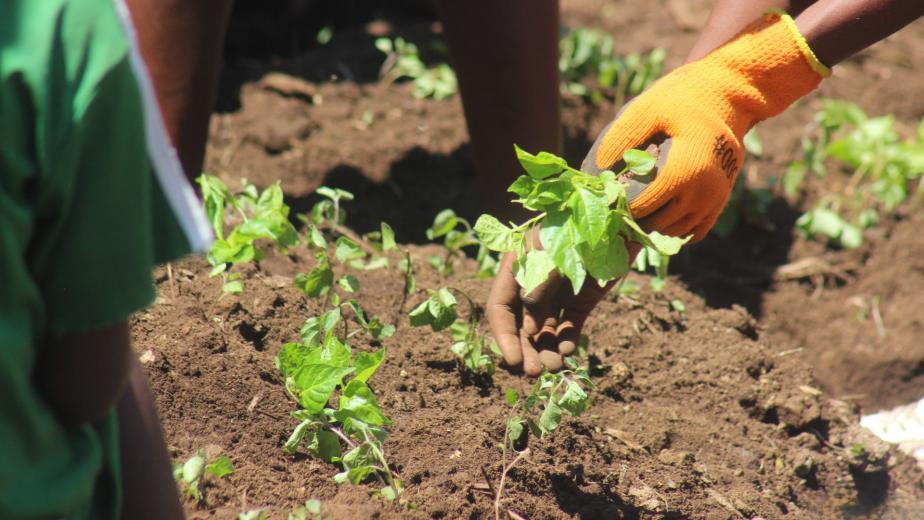
- The creation of an Integrated Farming Project
The project further examined how colonial systems of environmental management transformed relationships between people, land, and biodiversity, and how these transformations continue to influence contemporary ecological and social realities across Africa.